What would you like to discover?
Ask about our member hotels, travel designers, magazine stories, events and membership.

Christian & Ka'ale Sea
Founders, Ngalung Kalla — Sumba, Indonesia
A study in turning a retreat's operating system into a teachable course — and building architecture that eliminates the need for climate infrastructure rather than offsetting it.

Ngalung Kalla Retreat
Sumba, Indonesia
Founders · Christian & Ka'ale Sea
2014
250 hectares · off-grid
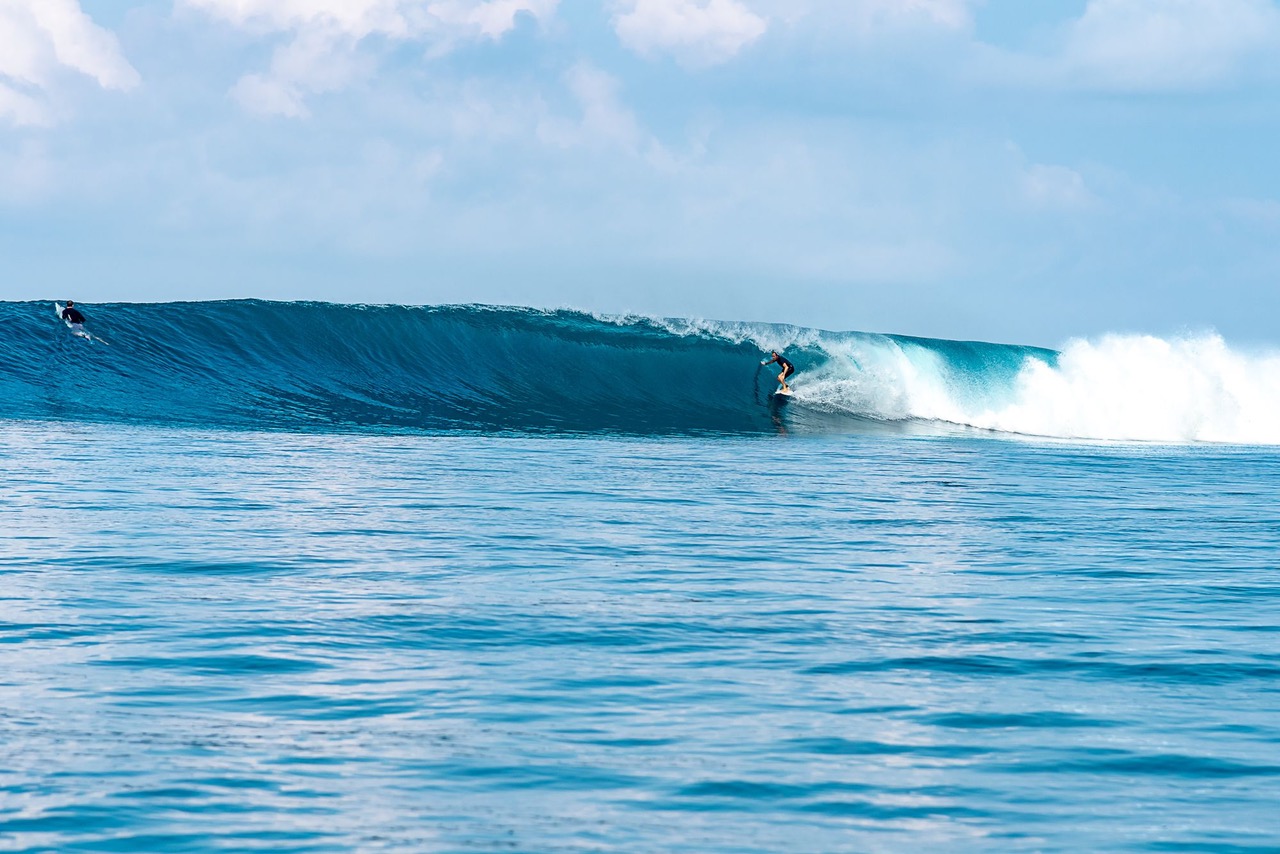
Christian and Ka'ale Sea founded Ngalung Kalla in 2014, when he and his family set up camp on an off-grid piece of land on Sumba's remote western coast. They kept the site's original name — Ngalung Kalla, meaning "big wave" in the local Laboyan dialect, after the village that stood there roughly a century earlier.
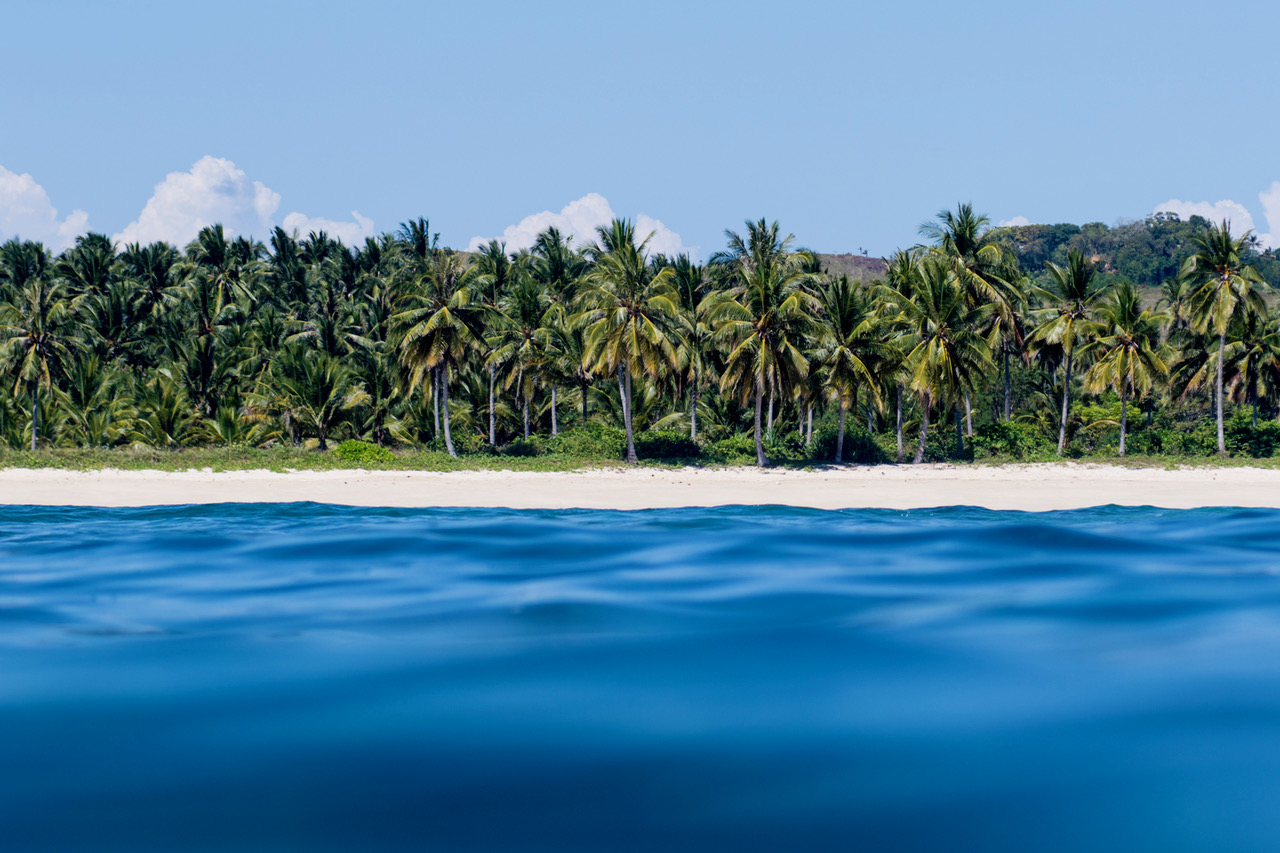
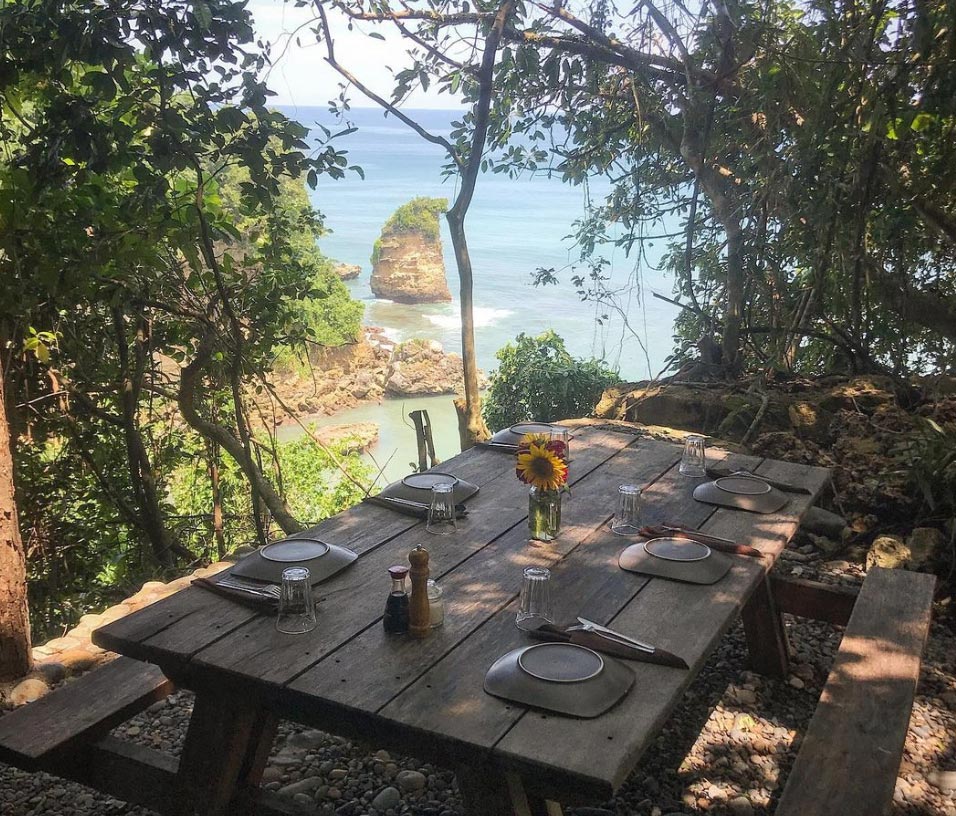
Sumba sits outside the historical trade routes through the Indonesian archipelago, leaving it largely untouched — home to a pastoralist, largely barter-based Sumbanese society and one of the world's few remaining megalithic, animist cultures. Christian modeled Ngalung Kalla after a traditional Kampung, or village, deliberately spacing the bungalows far enough apart, screened by dense foliage, that guests hear little beyond trade winds through the Alang grass and waves on the cobblestones below. Minimizing impact on the surrounding communities has been central to the design from the start.
Turning the operating system into a teachable course
How it actually works
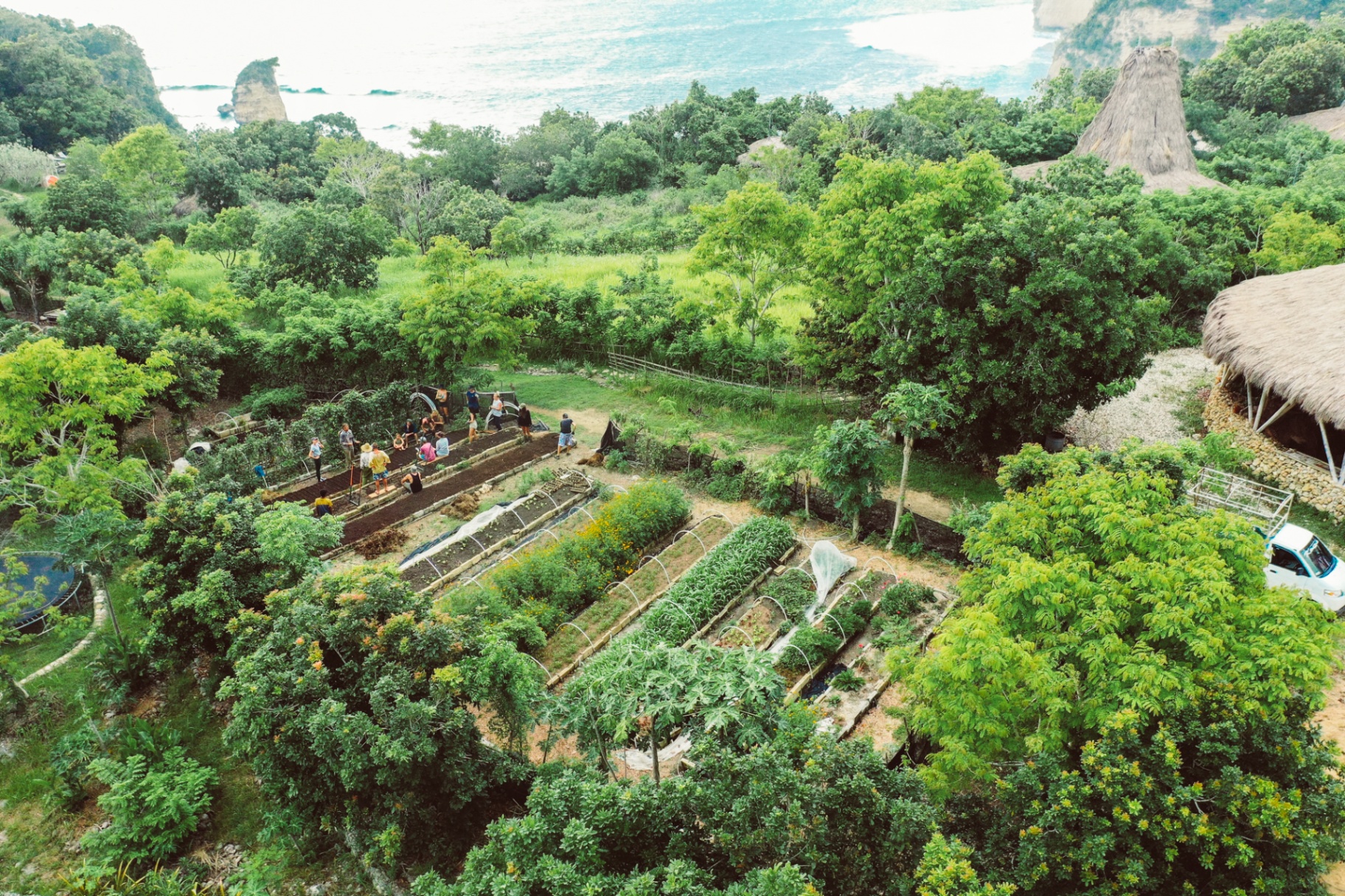
Guests can take a nine-day Permaculture Design course on-site, learning agroforestry, composting, and natural pest control directly from the systems already running the property — the same orchards, compost loops, and water management guests eat and sleep within become the curriculum.
A retreat's own operating system — the gardens, waste loops and water systems it already runs — is a curriculum hiding in plain sight. Making it teachable turns internal practice into a revenue stream and a movement, rather than a private efficiency.
Architecture that eliminates climate infrastructure
How it actually works
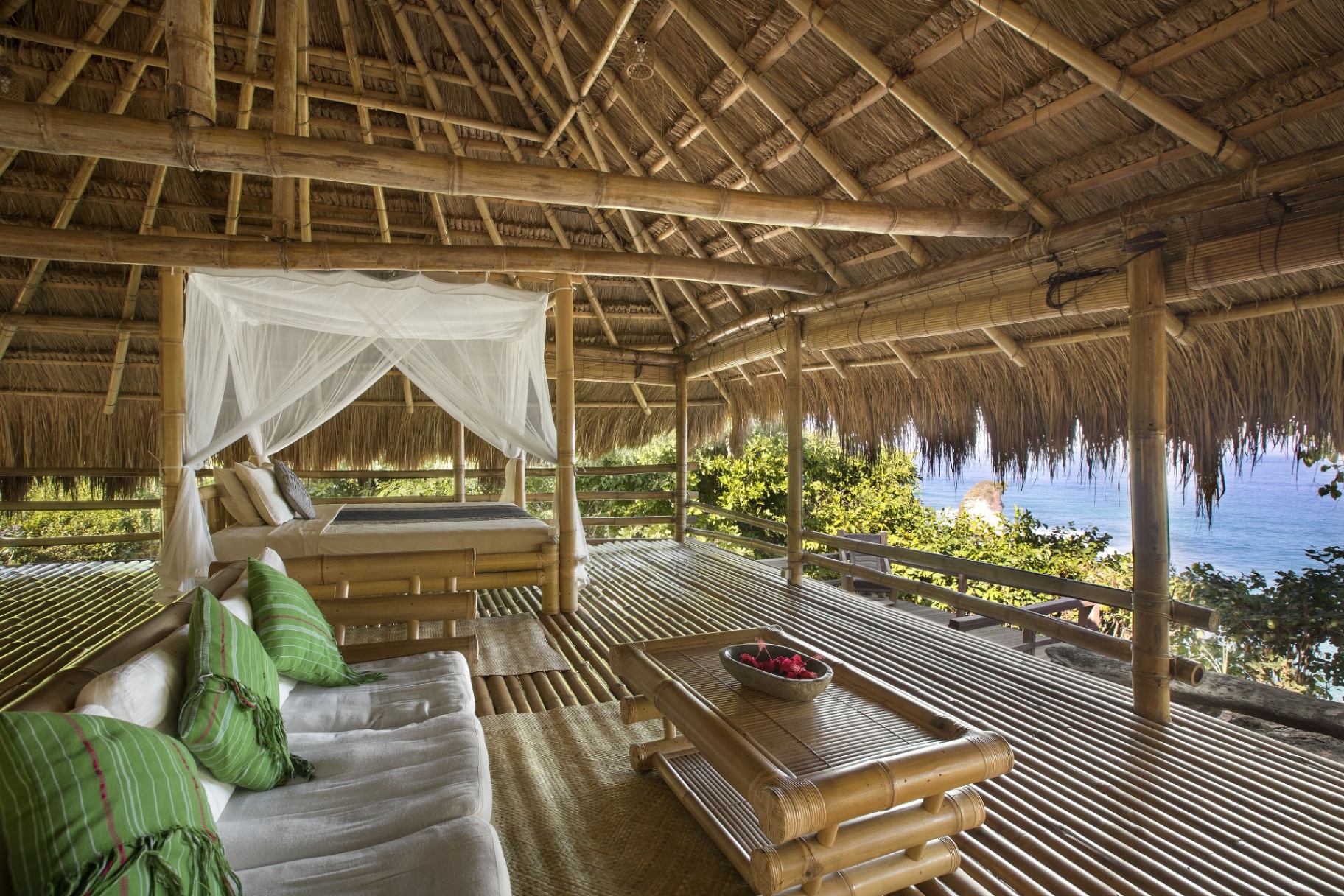
Buildings use locally sourced bamboo, teak, and limestone in open-air designs that maximize airflow and natural light, removing any need for air conditioning or electric heating.
The most durable regenerative practices are the ones that make an entire category of resource use unnecessary — not the ones that manage its impact after the fact.