What would you like to discover?
Ask about our member hotels, travel designers, magazine stories, events and membership.

Joaquín Randall
Manager & Co-Owner, El Albergue Ollantaytambo — Sacred Valley, Peru
A study in turning philanthropy into a fixed line item in the P&L — and making a single climate decision visible to every guest who opens a menu.
View the member hotel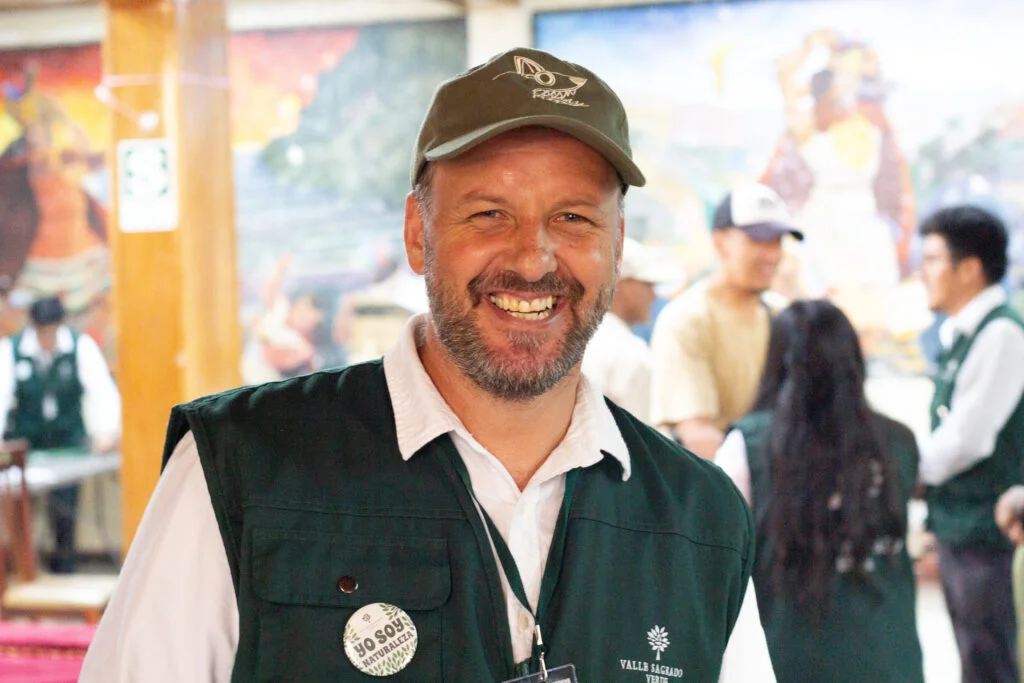
El Albergue Ollantaytambo
Ollantaytambo, Sacred Valley, Peru
Manager & Co-Owner
1970s (building dates to 1925)
100–120 in high season
Joaquín Randall was born in Ollantaytambo in 1979 to Robert Randall and Wendy Weeks, American parents who founded El Albergue after settling in the town in the 1970s — his father a writer, his mother a painter. He grew up in Ollantaytambo alongside his brother, now internationally recognized contemporary artist Ishmael Randall Weeks, before finishing high school in Seattle and earning a degree at Tulane University in New Orleans in 2002, graduating cum laude in literature, Latin American studies, and sustainable development.
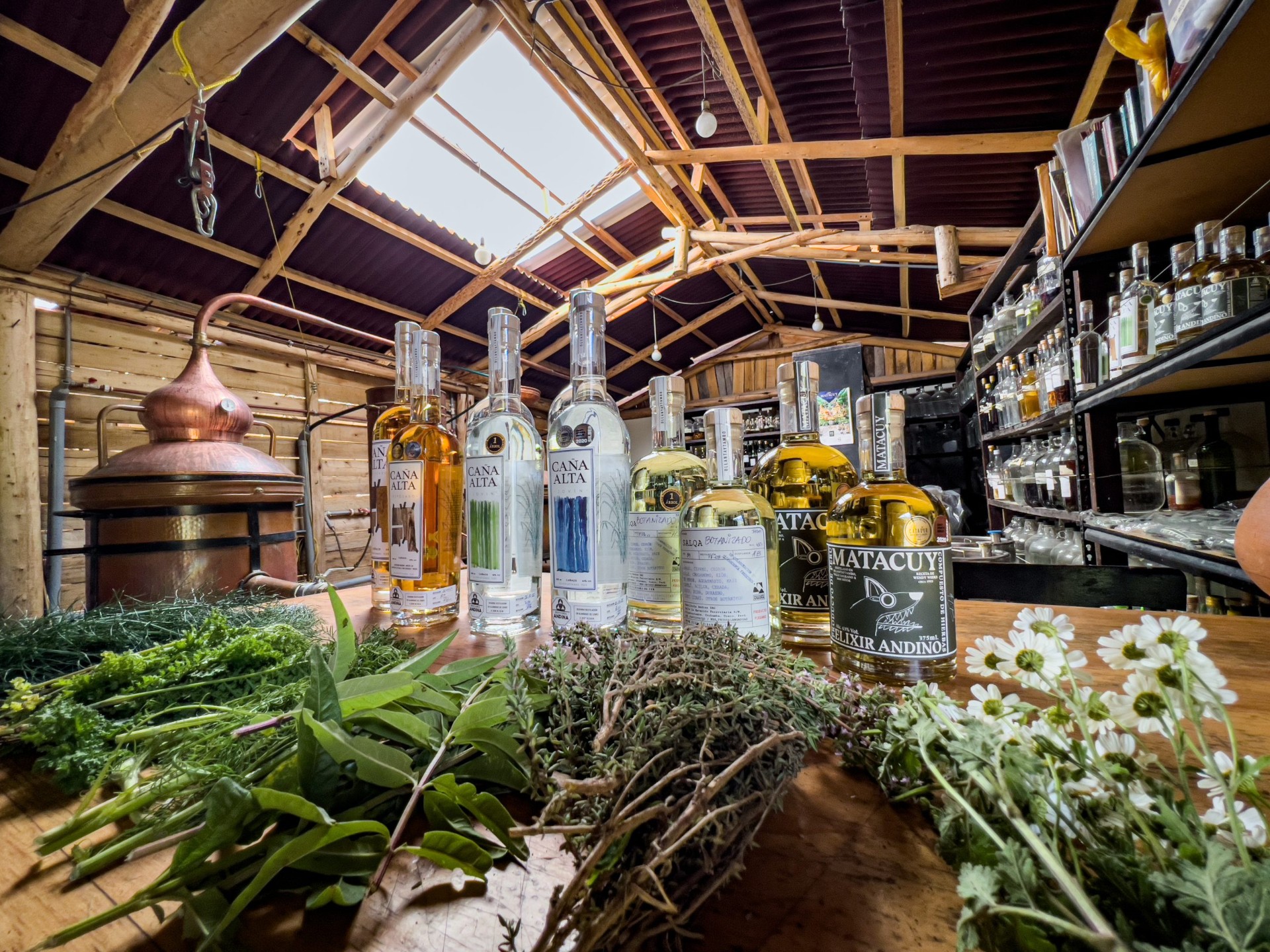
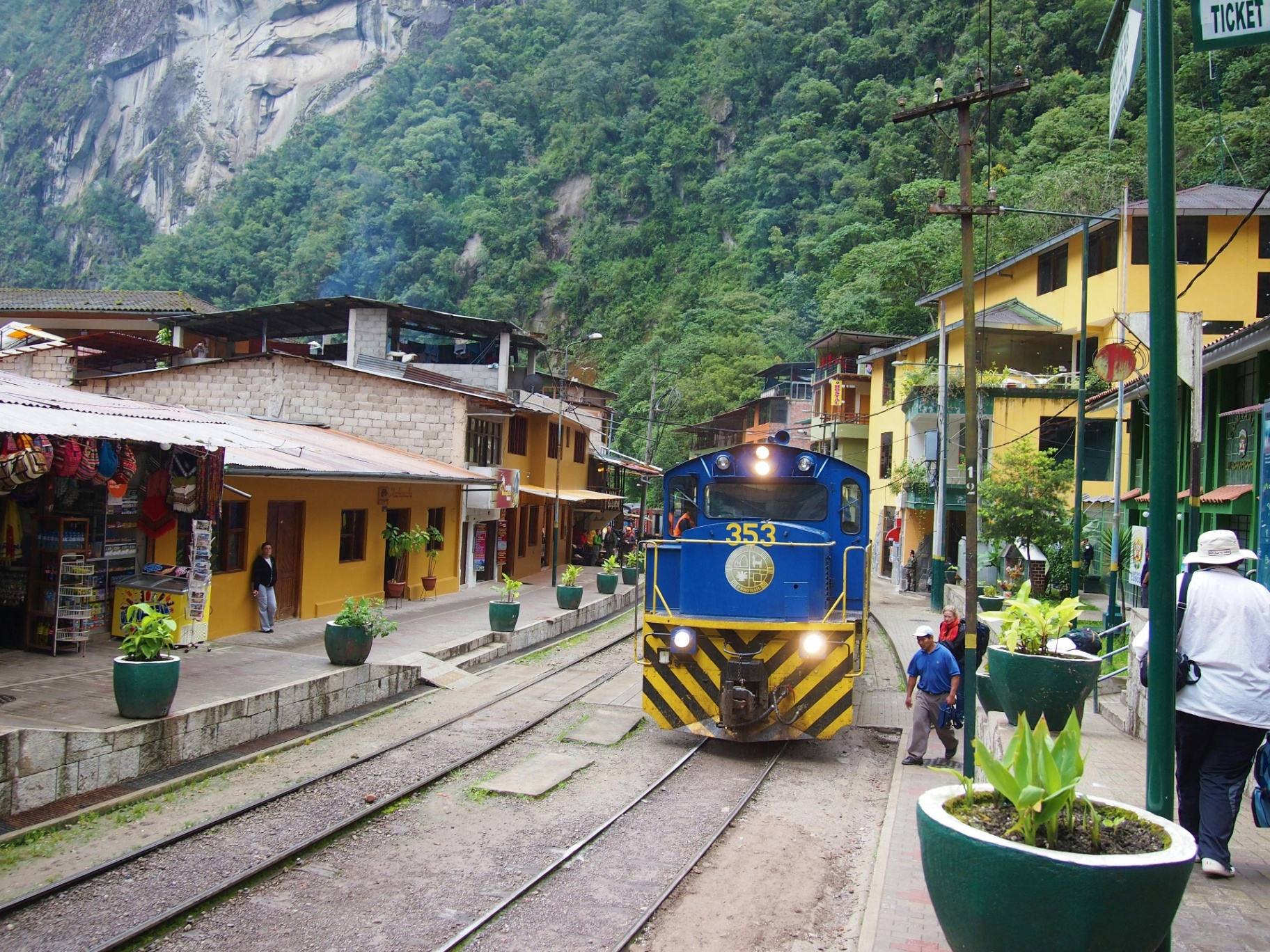
He returned home after graduation rather than staying in the U.S. — first directing the local CATCCO Museum, then taking over the family business around 2008. He's now run El Albergue for close to two decades, expanding it from a single hotel into a small group of local businesses under shared ownership: Destilería Andina (spirits), Café Mayu (coffee roasting), Chuncho (a restaurant built entirely on local ingredients), and El Balcón, a boutique hotel in Cusco co-founded by the family of his wife, Aima Molinari. In 2026, El Albergue marked its 100th year in the same station-side building, and in 2025 the property was named World's Leading Small Sustainable Destination at the World Sustainable Travel & Hospitality Awards.
He describes economic development as one of his core sustainability objectives — El Albergue employs 100–120 people during high season, making it Ollantaytambo's second-largest employer, with the explicit goal of giving local staff the income, training, and skills to eventually start businesses of their own. That same instinct led him and his wife to co-found Kuska School, an alternative multilingual farm school, when their daughter Mayu approached school age and no fitting option existed locally.
Turning philanthropy into a fixed, itemized cost of doing business
How it actually works
El Albergue commits 1.5% of net after-tax income to conservation and social programs, split with precision — 1% to Valle Sagrado Verde, a reforestation and fire-management organization working across the Sacred Valley, and 0.5% to Asociación Kuska, which runs the school and a community library El Albergue hosts on its own property, rent-free. An additional 5% of profits goes directly to employees.
What it took
Treating the percentage as a line item in the P&L, not a year-end decision — and being willing to donate physical space and services (the land Kuska School operates on) rather than only writing a check.
A percentage-of-income commitment, fixed and specific rather than "whatever we can spare," survives good years and bad ones. Vague generosity erodes under pressure; a number in the budget doesn't.
Menu-level climate policy
How it actually works
No beef is served at any of the group's restaurants, specifically to reduce the property's greenhouse gas footprint — a single, visible menu decision standing in for a broader emissions strategy most properties handle invisibly or not at all.
Not every regenerative practice needs a system behind it. Some of the most legible ones are a single policy choice a guest can see on a menu.
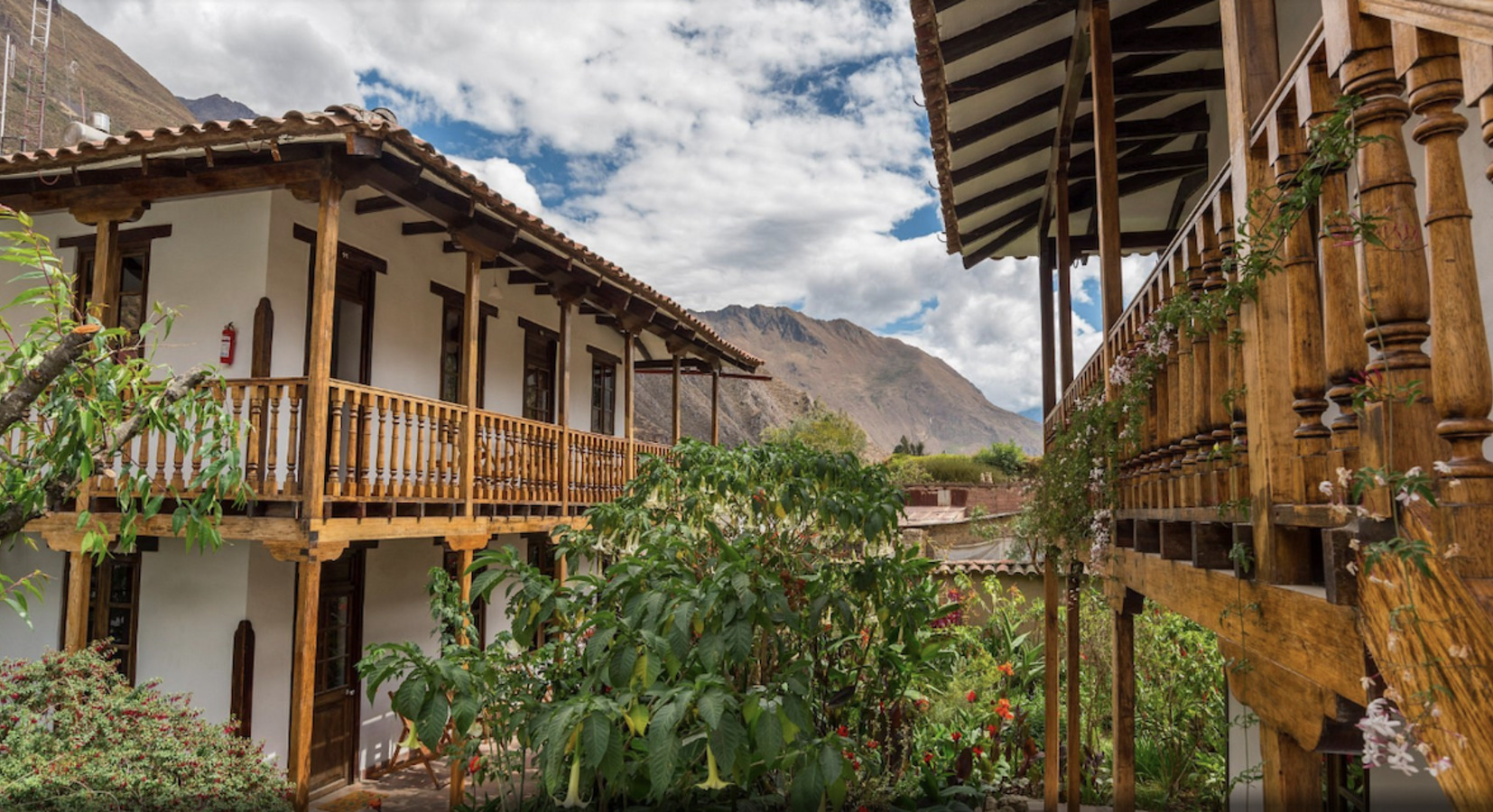
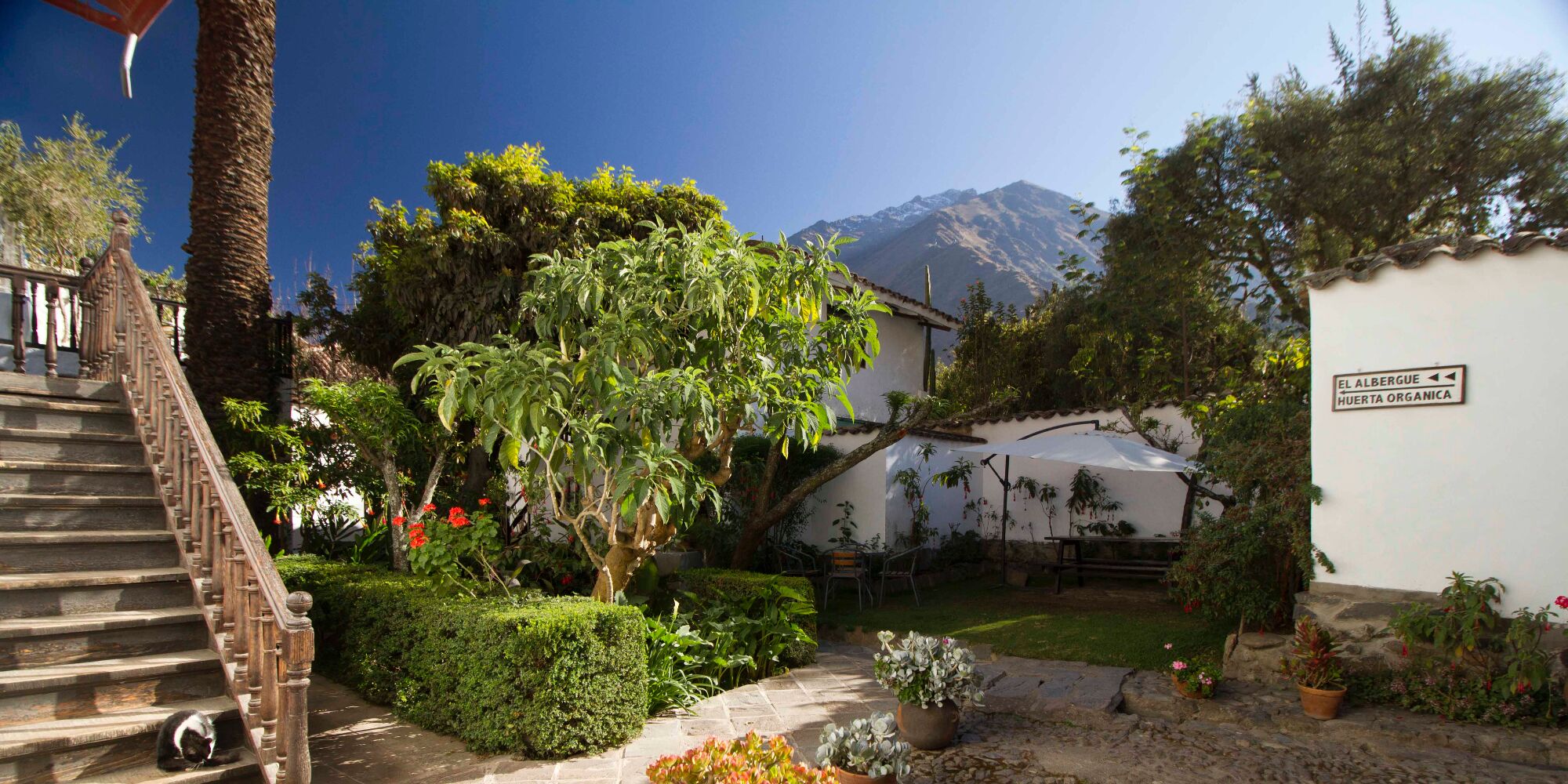
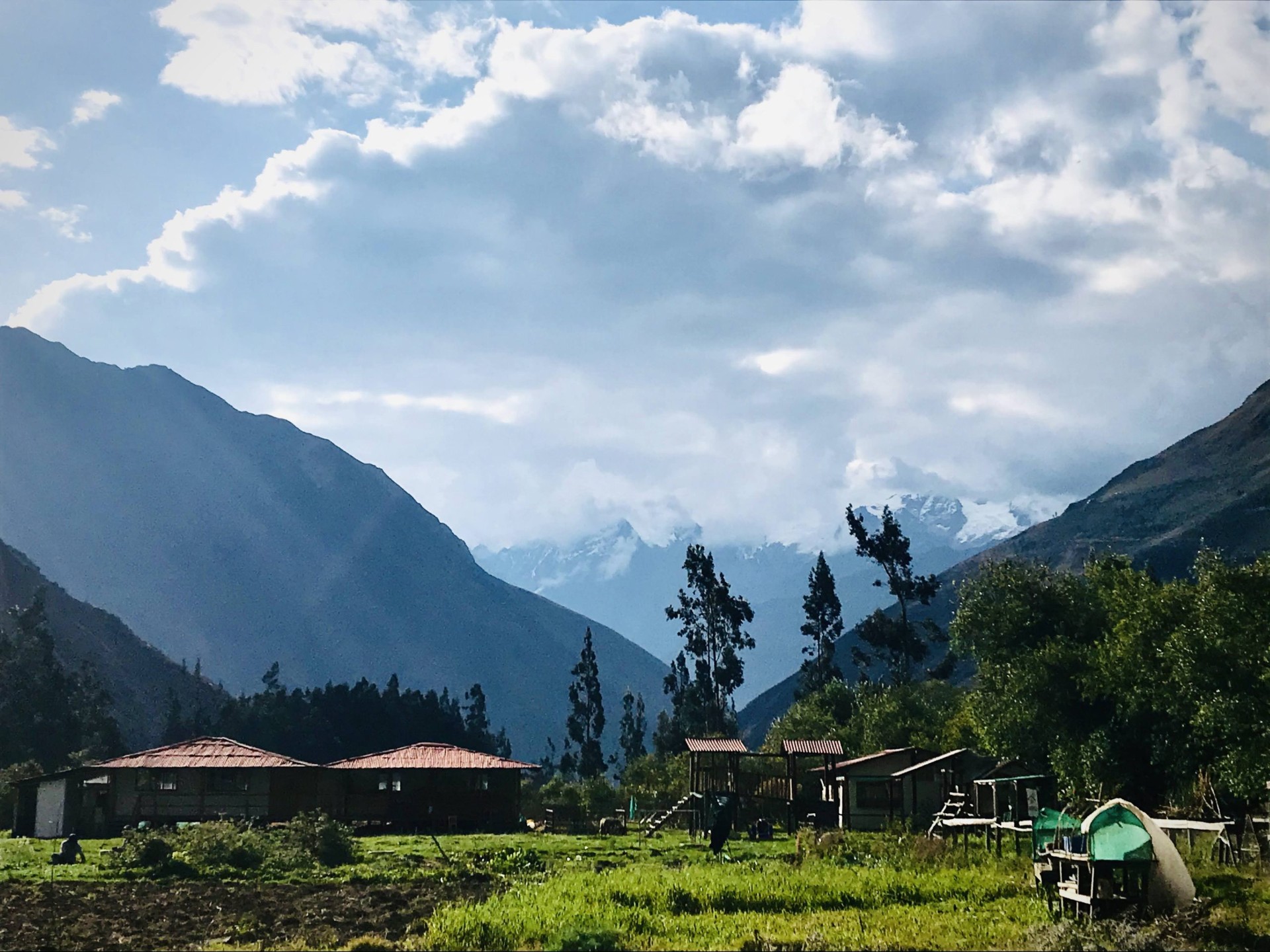
El Albergue Ollantaytambo, Sacred Valley
El Albergue Ollantaytambo
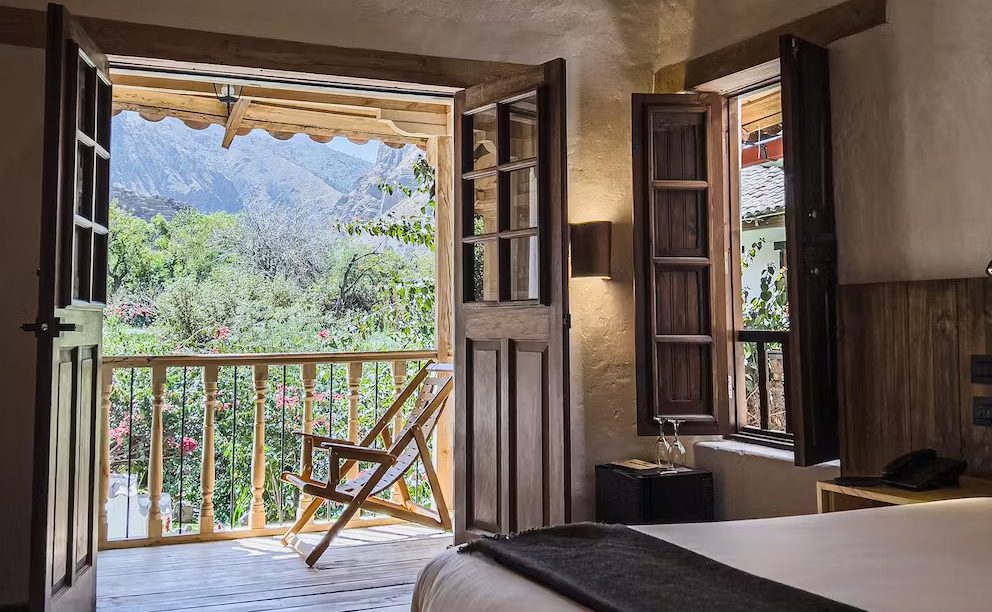
A station-side boutique hotel in the Sacred Valley, rooted in Ollantaytambo since 1925
Explore the hotel