What would you like to discover?
Ask about our member hotels, travel designers, magazine stories, events and membership.

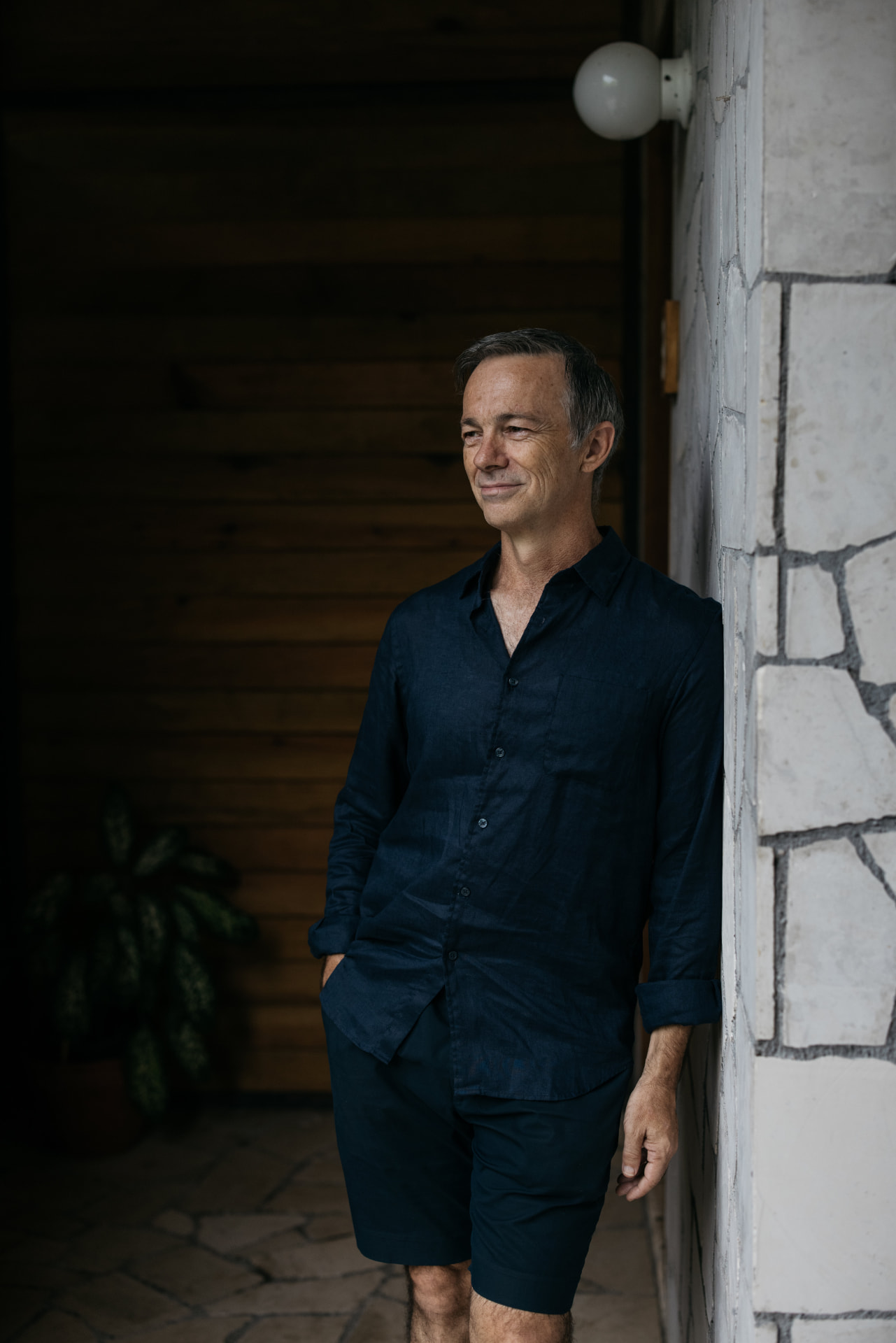
Paul Salmon
Founder & Owner, Rockhouse & Skylark Negril — Jamaica
A study in running a philanthropic foundation as sister infrastructure to the hotel — and building a closed-loop supply chain across two separately branded properties.
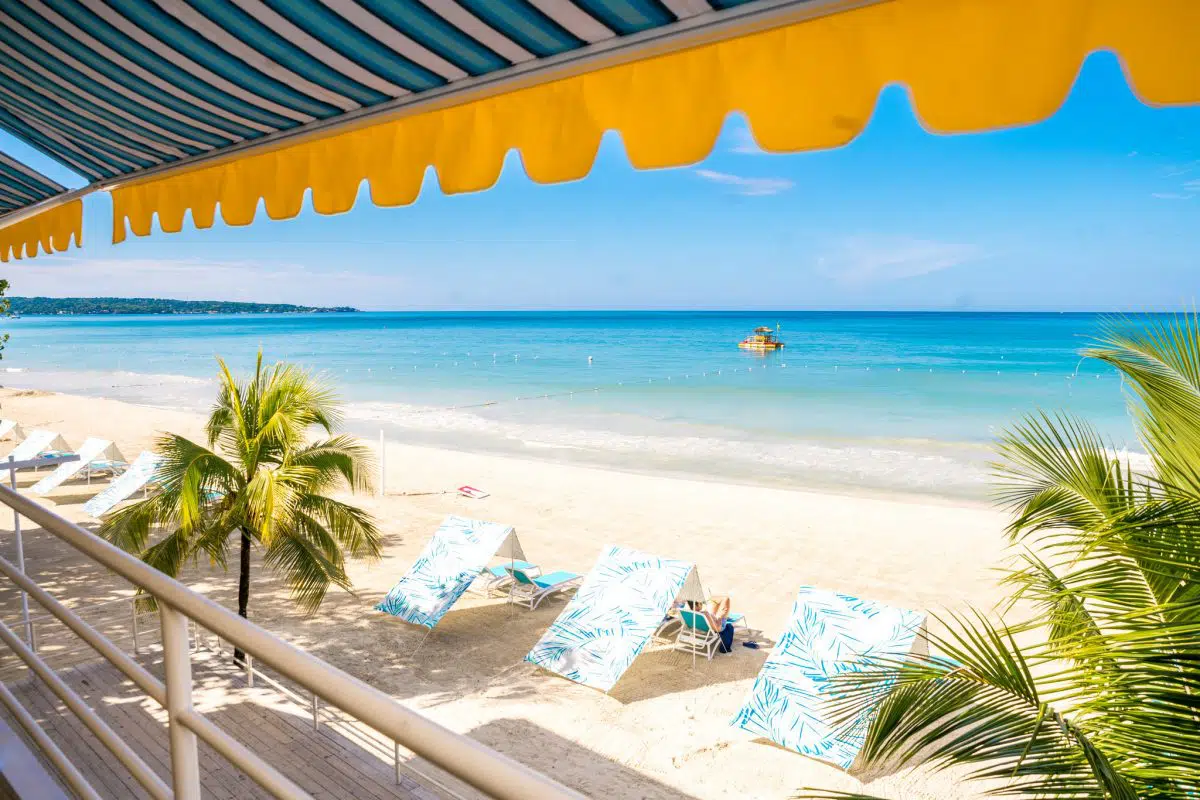
Rockhouse (cliffside) & Skylark (beachfront)
Negril, Jamaica
Founder & Owner
Rockhouse 1994
Order of Distinction (Commander), 2021
Paul Salmon is a native of Melbourne, Australia, who moved to New York City in 1991 to work in finance before opening the eco-conscious, bohemian-chic Rockhouse in 1994 with a group of partners — part of a small wave of hoteliers, alongside figures like Chris Blackwell of GoldenEye, who reshaped Negril's identity around sustainability and authentic culture rather than conventional resort tourism. As he's put it, the opportunity wasn't just an easy commute from the U.S. — it was offering travelers something different: a real commitment to community.
That commitment became structural in 2003, when he established the Rockhouse Foundation to fund education initiatives in the surrounding community, now the charitable arm shared by both Rockhouse and its sister property, Skylark. Over three decades, Salmon has become a recognized thought leader in responsible hospitality — specifically focused on how a foreign hotel operator can build a business responsibly inside a developing country, investing simultaneously in staff, guest experience, environment, and community rather than treating any one as the flagship initiative.
His footprint extends beyond the two Negril properties: he's managing partner at Miss Lily's, the Caribbean restaurant with locations in New York, Dubai, and now a Negril outpost inside Skylark, and a founding partner of Joe's Pub, one of New York's best-known live music venues. In October 2021, the Jamaican government recognized that three-decade record directly — Salmon received the Order of Distinction in the Rank of Commander on National Heroes Day, for his contribution to the development and sustainability of Jamaica's tourism industry.
Running the philanthropic arm as sister infrastructure to the hotel
How it actually works
The Rockhouse Foundation has invested more than $6.5 million transforming seven local schools and the Negril Community Library — including the Sav Inclusive School, built grade-by-grade to serve children of all abilities. During COVID, when the hotel itself had no guests, the Foundation pivoted to weekly food distribution sustaining over 1,000 people on 250 tons of staples. It didn't shut down when the hotel's revenue did — because it's structured as a parallel entity, not a line item inside hotel operations.
What it took
Establishing the Foundation as its own 501(c)(3), separately fundable and separately resilient, two decades before either property needed to lean on it during a crisis.
A community program that depends entirely on hotel revenue disappears exactly when the community needs it most. Structuring it as independent infrastructure — its own entity, its own fundraising — is what let it flex the opposite direction during COVID.
Vertical integration as the closed loop, not a slogan
How it actually works
Skylark sources candles, spa products, and produce directly from Rockhouse's own farm and woodshop — turning two independently branded properties into one circular supply chain, and giving guests at either hotel visible proof (a QR code, a garden tour, a bar stocked with in-house rum) rather than a claim on a webpage.
Sister properties under common ownership rarely share back-of-house systems by default — it has to be deliberately built. When it is, sourcing costs and carbon footprint both drop at once.
Rockhouse & Skylark, Negril
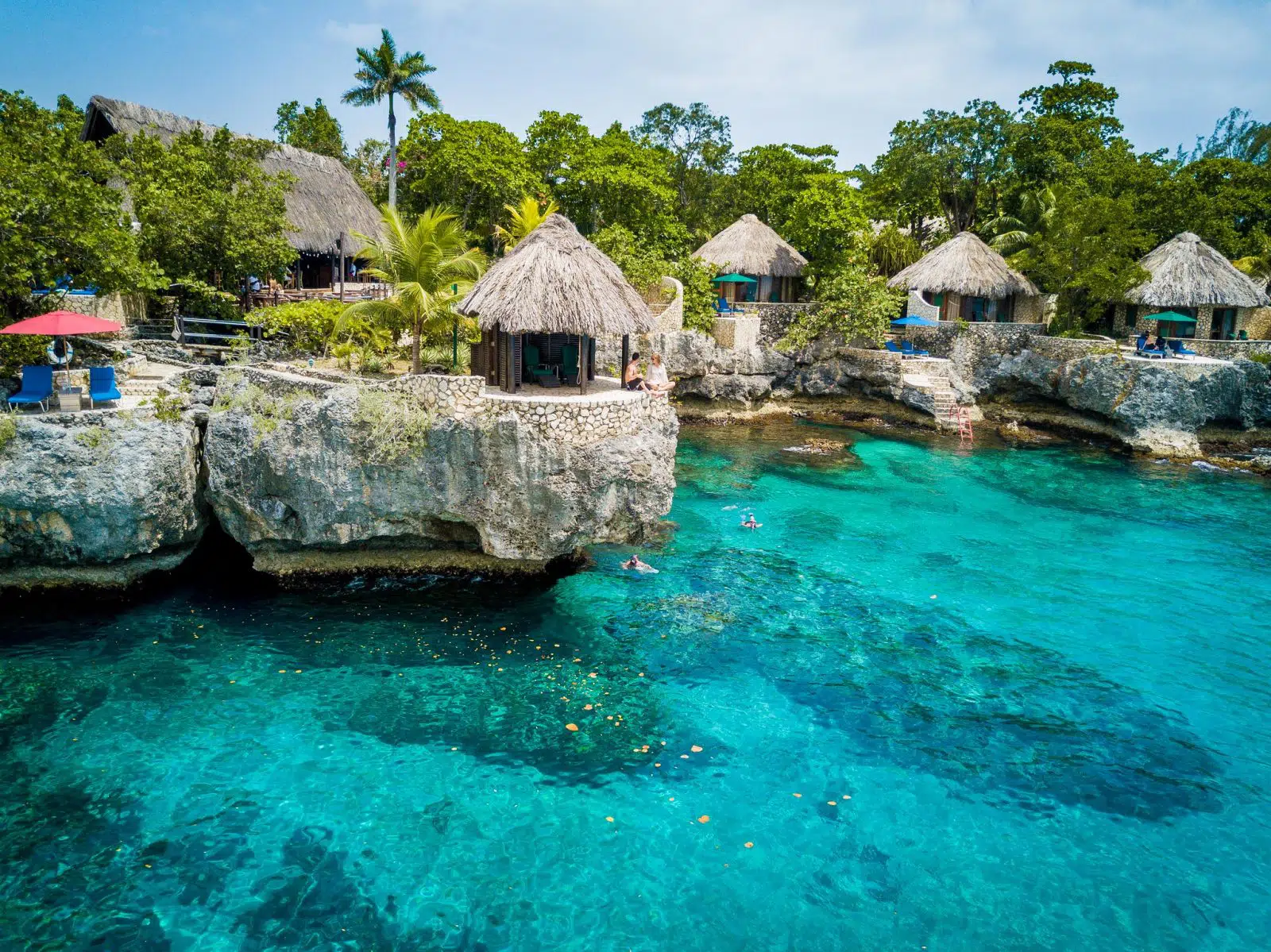
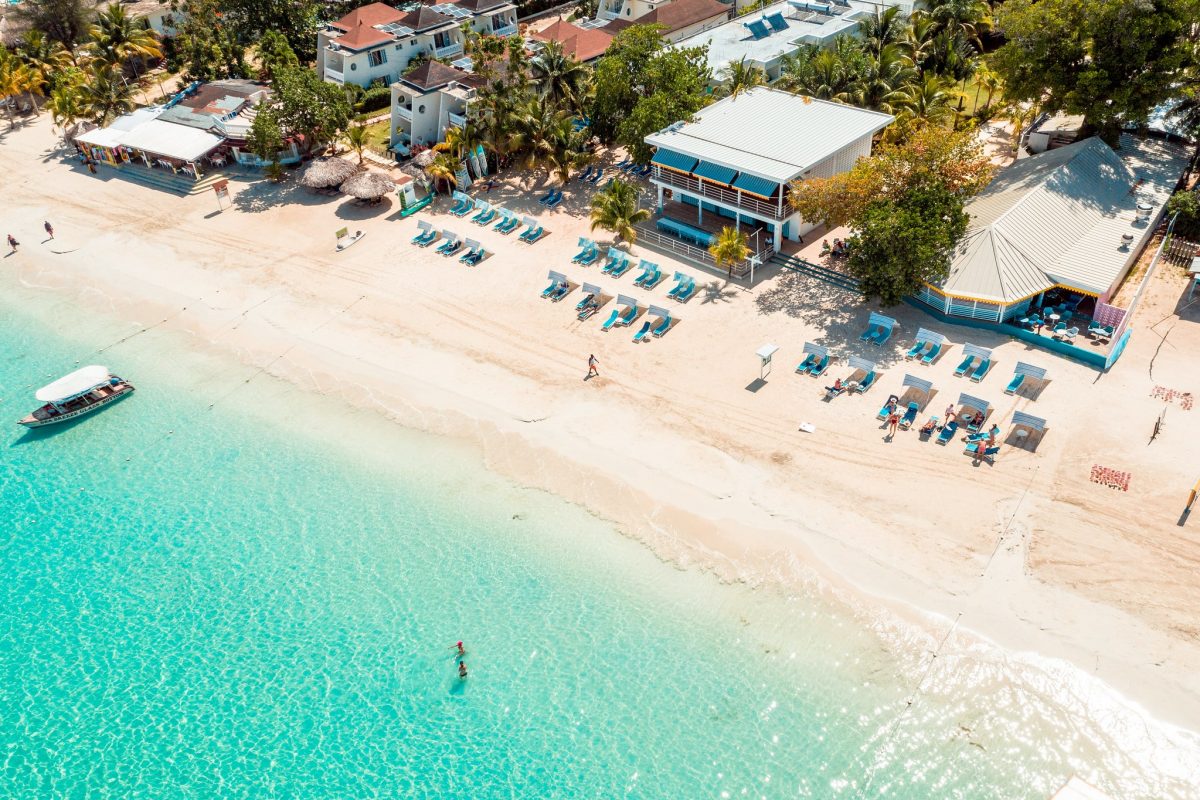
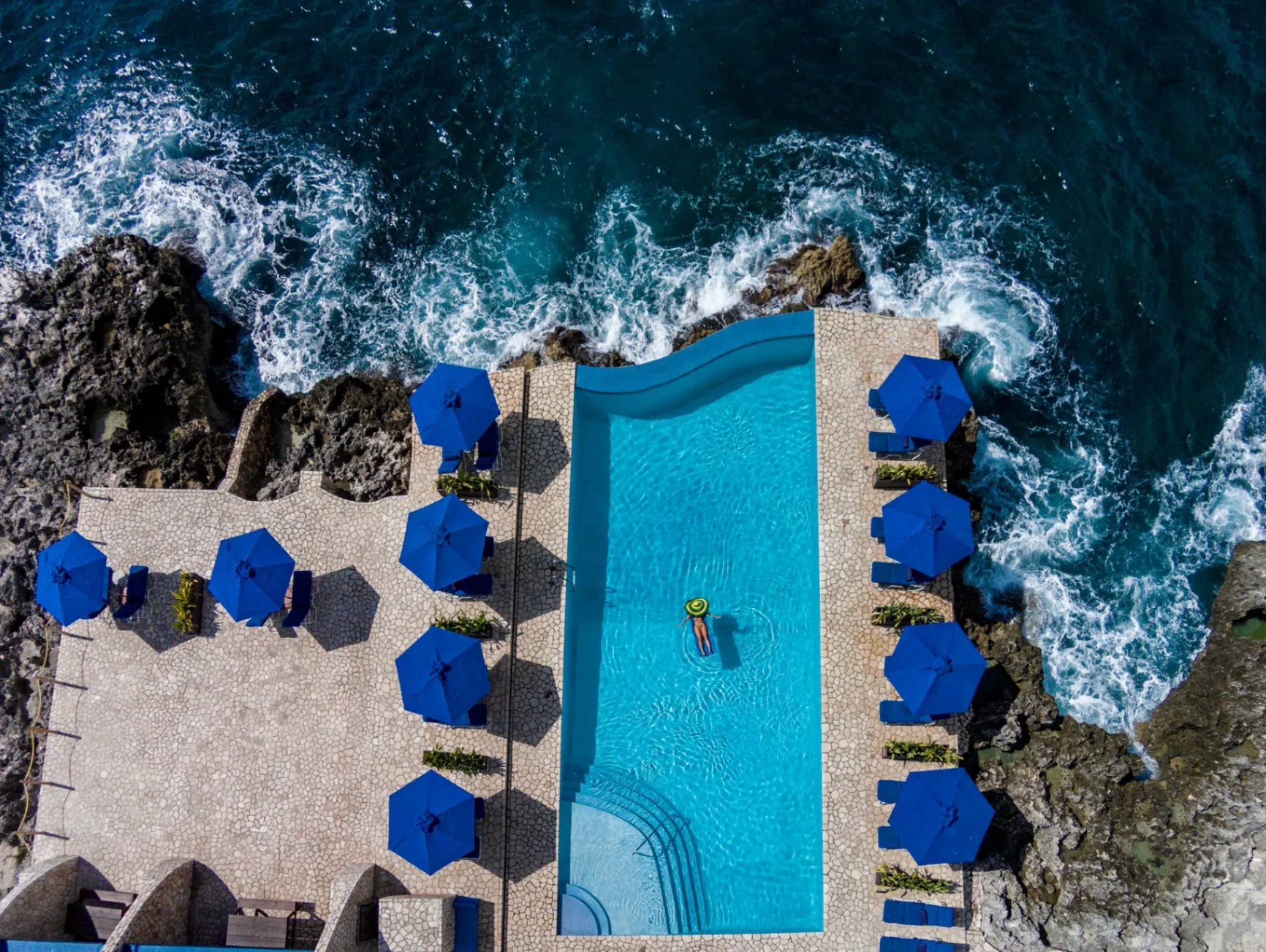
Rockhouse Hotel
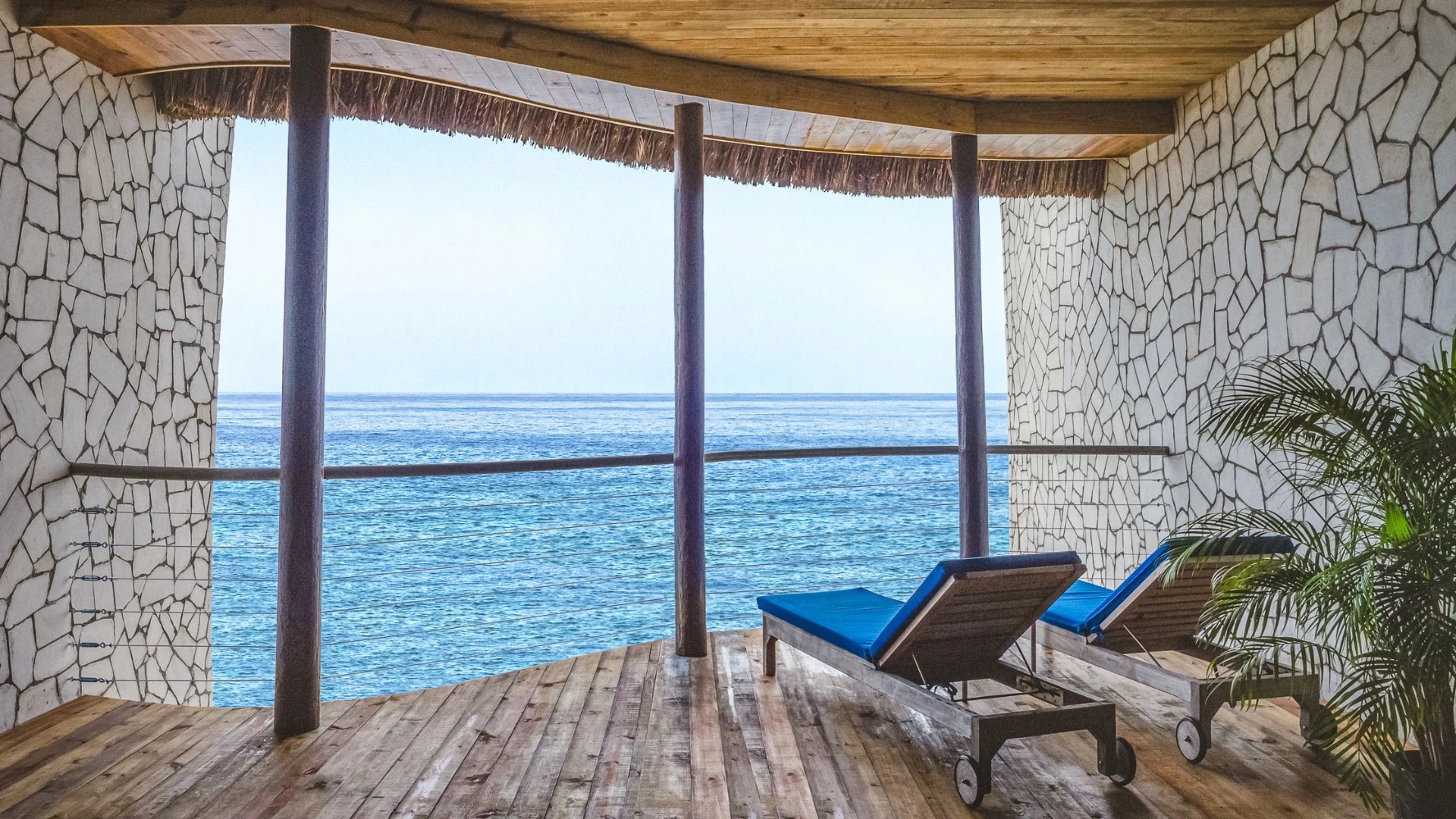
A cliffside, bohemian-chic boutique hotel on Negril's West End Road, rooted since 1994
Explore Rockhouse