Regenerative Travel
    ImpactAsia SymposiumSingapore

    From Vision to Practice
    What the Regenerative Travel Asia Symposium Revealed

    Words Amanda HoDate 24 August 2026Read 9 min

    Singapore, June 2026

    I opened the Asia Symposium by naming three pivots that I think the industry still has to make. The first is a move from head to heart. The second is a move from scarcity to abundance. The third is a move from the individual to the collective.

    They sound soft, and they are not. Each one describes a place where the work currently breaks down, where we know the right answer intellectually and fail to act on it operationally, where we protect information instead of sharing it, where we build individual properties instead of functioning systems.

    I also wanted to be precise about the word we had all come to use. Sustainability asks us to do less harm. Regeneration asks something harder, which is that we actively renew and restore and replenish the environment and the community we are existing in. That difference changes the job description rather than the branding.

    What followed over two days in Singapore was the most honest room I have sat in on this subject. Nobody arrived with a solved model. What made the room useful was that the people in it were willing to say out loud how far their own work still sits from the language they use to describe it.
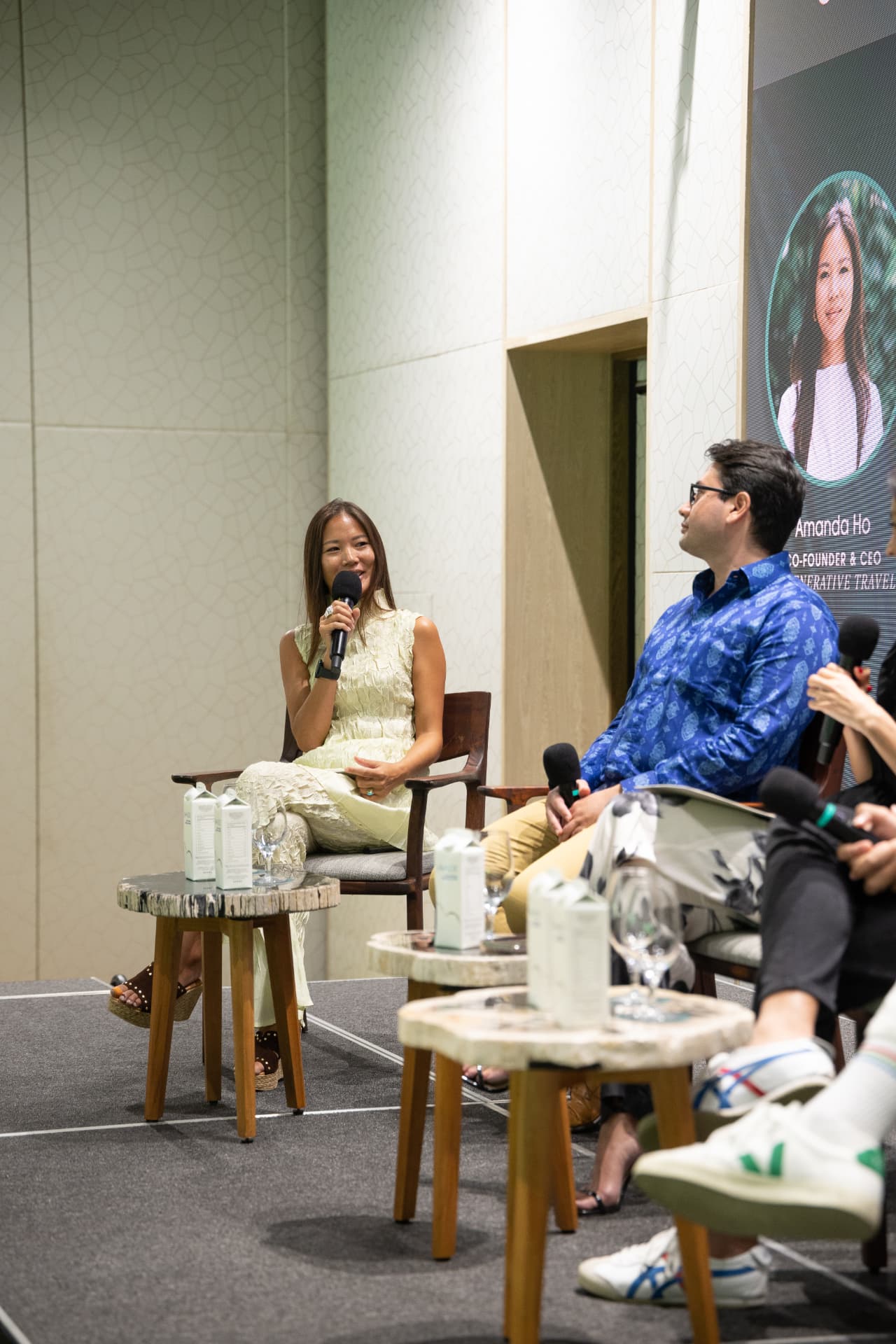
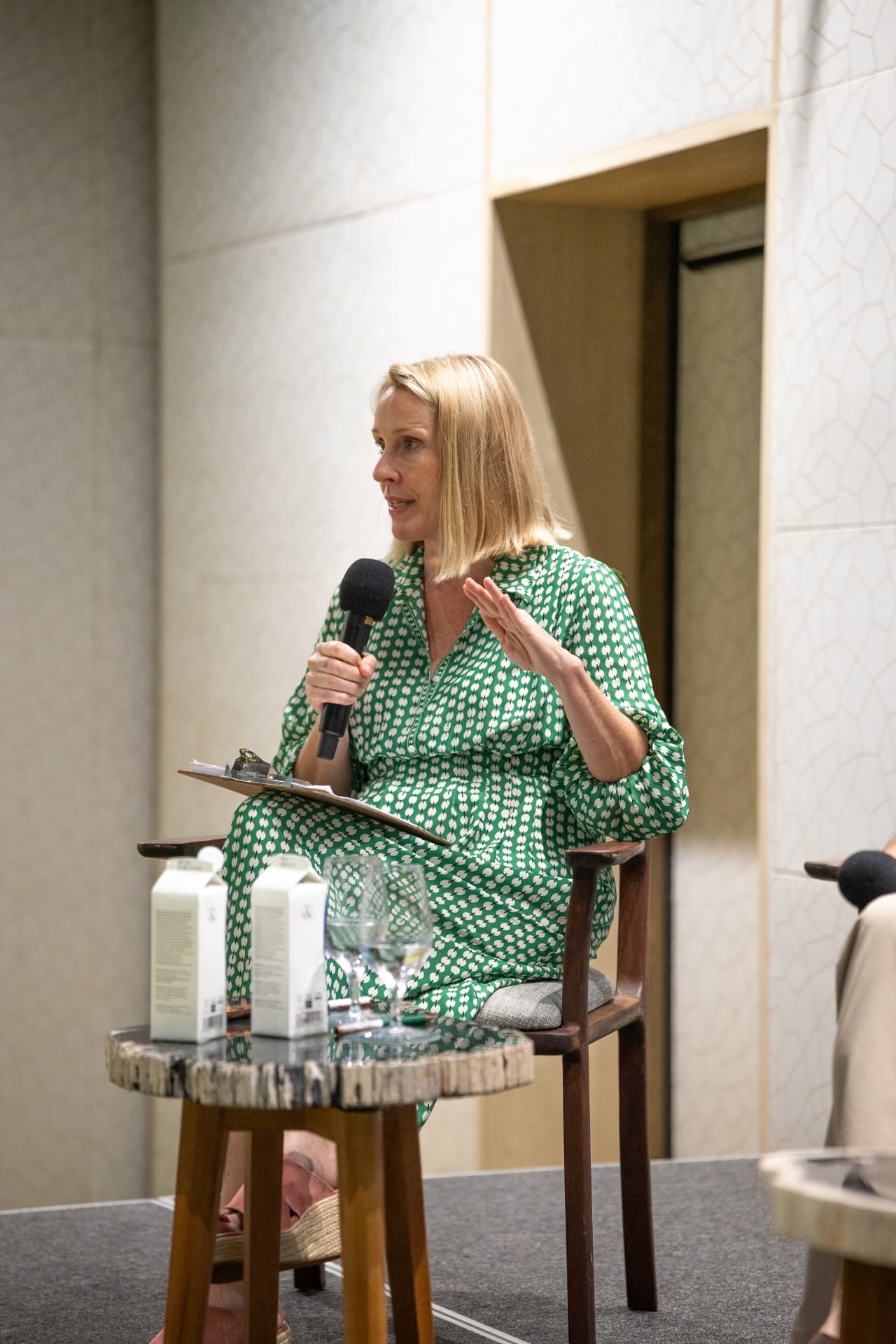
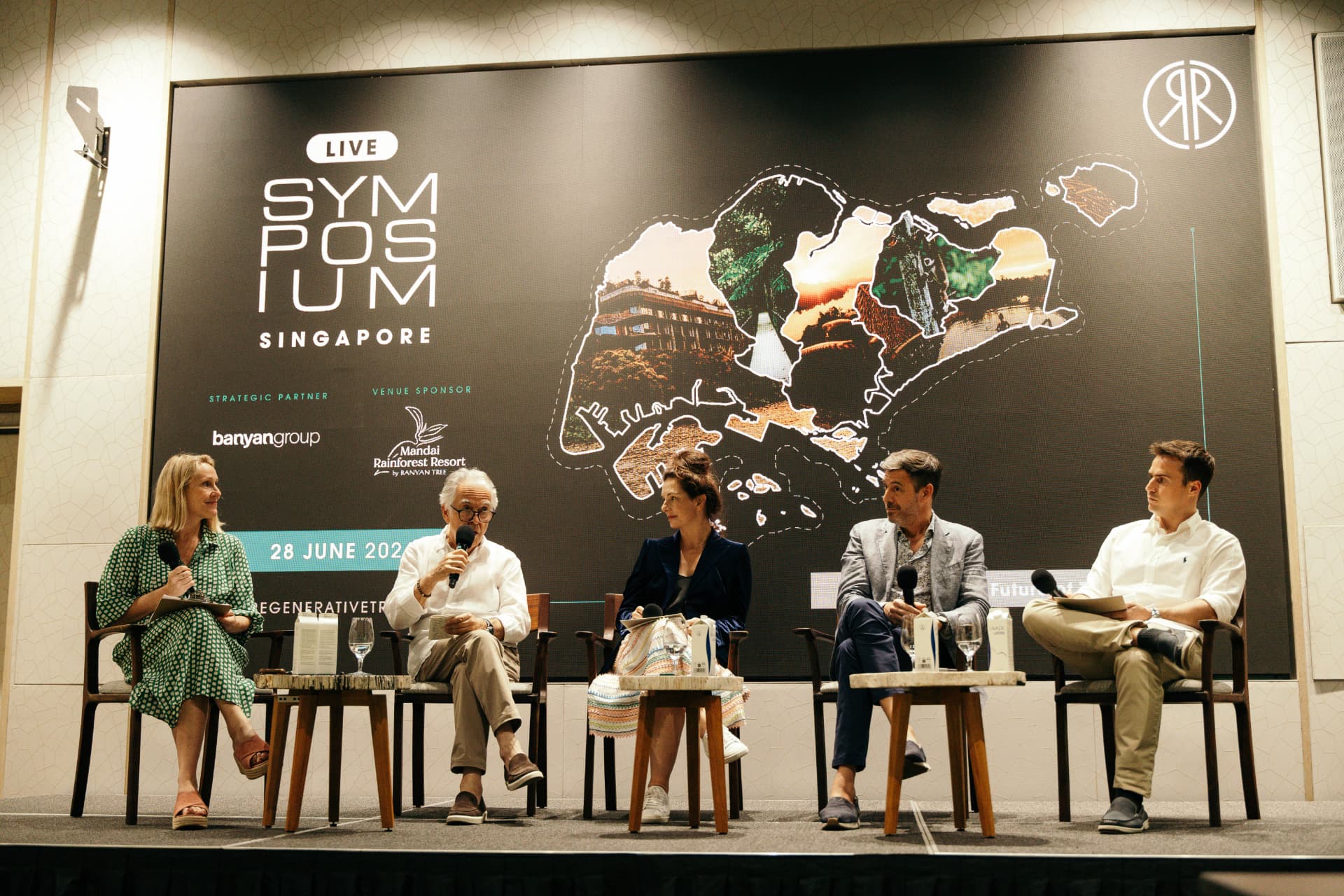
    Amanda Ho speaking on stage at the Regenerative Travel Asia Symposium
    Opening the symposium — head to heart, scarcity to abundance, individual to collective.

    The keynote set the terms

    Sustainability journalist Juliet Kinsman opened with findings brought straight from London Climate Action Week, and she began with the case for optimism. Solar costs have fallen by nearly 90% since 2010. Existing renewable capacity saved the global economy $480 billion in avoided fossil fuel costs in 2025 alone. Clean energy investment now attracts almost twice as much capital as fossil fuels.

    Her warnings landed harder. AI data centres already consume more electricity than most nations, and by 2030 they could use enough water to meet the basic needs of all 1.3 billion residents of sub-Saharan Africa for a year. The infrastructure our industry now runs its marketing, booking, and forecasting on is quietly becoming one of the largest new claims on water and power in the world, and almost nobody in hospitality is accounting for it.

    She closed with two challenges, one about language and one about behaviour. The first was to replace the word "destination" with "place," on the grounds that a place is where people live, it is somebody's home. The second was to commit to brave, uncomfortable conversations instead of staying silent.

    Both challenges shaped the rest of the day, and the second one was met more often than I expected.

    The room rated itself extractive

    We ran live polling throughout the symposium. One question asked attendees to place their own corner of the industry honestly on a spectrum running from extractive to regenerative.

    "Extractive" and "Neutral" came back highest. "Regenerative" scored lowest, by a wide margin.

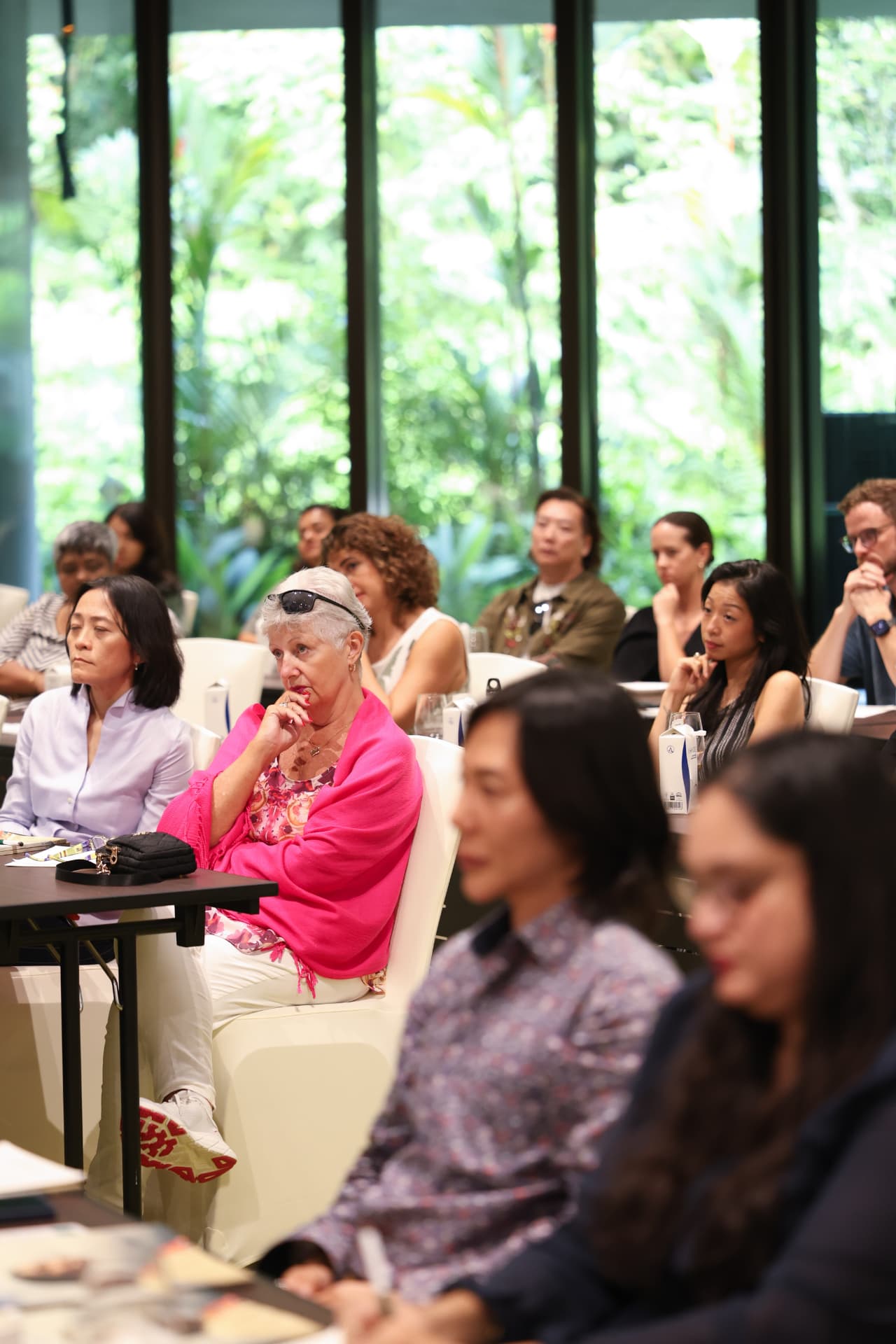
    This was a room of founders, sustainability directors, and operators who have spent years on this work. They did not flatter themselves, and that single result was the most useful thing produced all day, because it confirmed the warning running through both panels. Our vocabulary is a long way ahead of our practice.

    A second poll made the contrast sharper. Asked what comes to mind on hearing "regenerative travel," the same room produced a word cloud dominated by Hope, Healing, Renewal, Restore, Connectedness, and Love. Aspiration in one poll, honest self-assessment in the other. The distance between those two results is the work of the next several years.

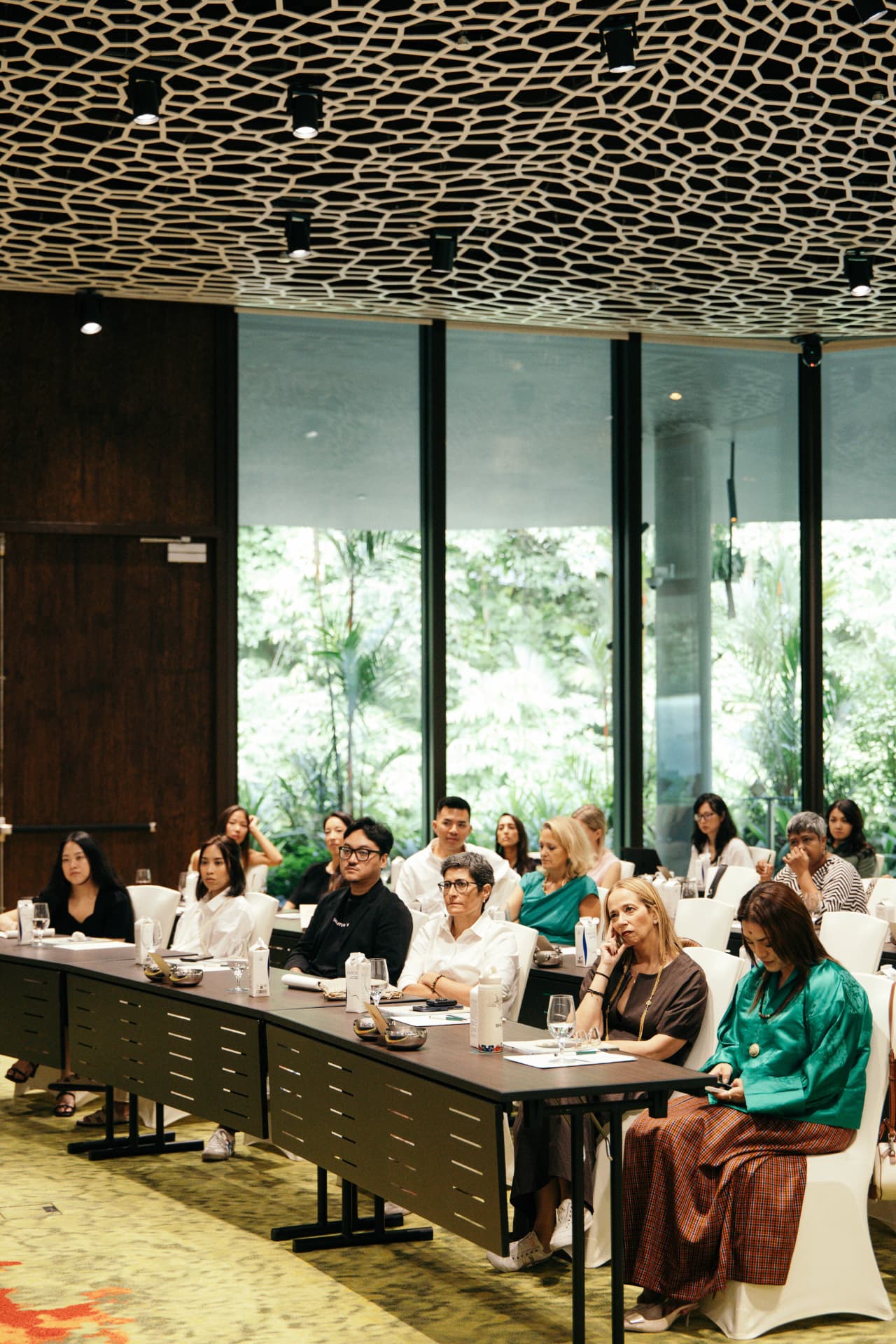
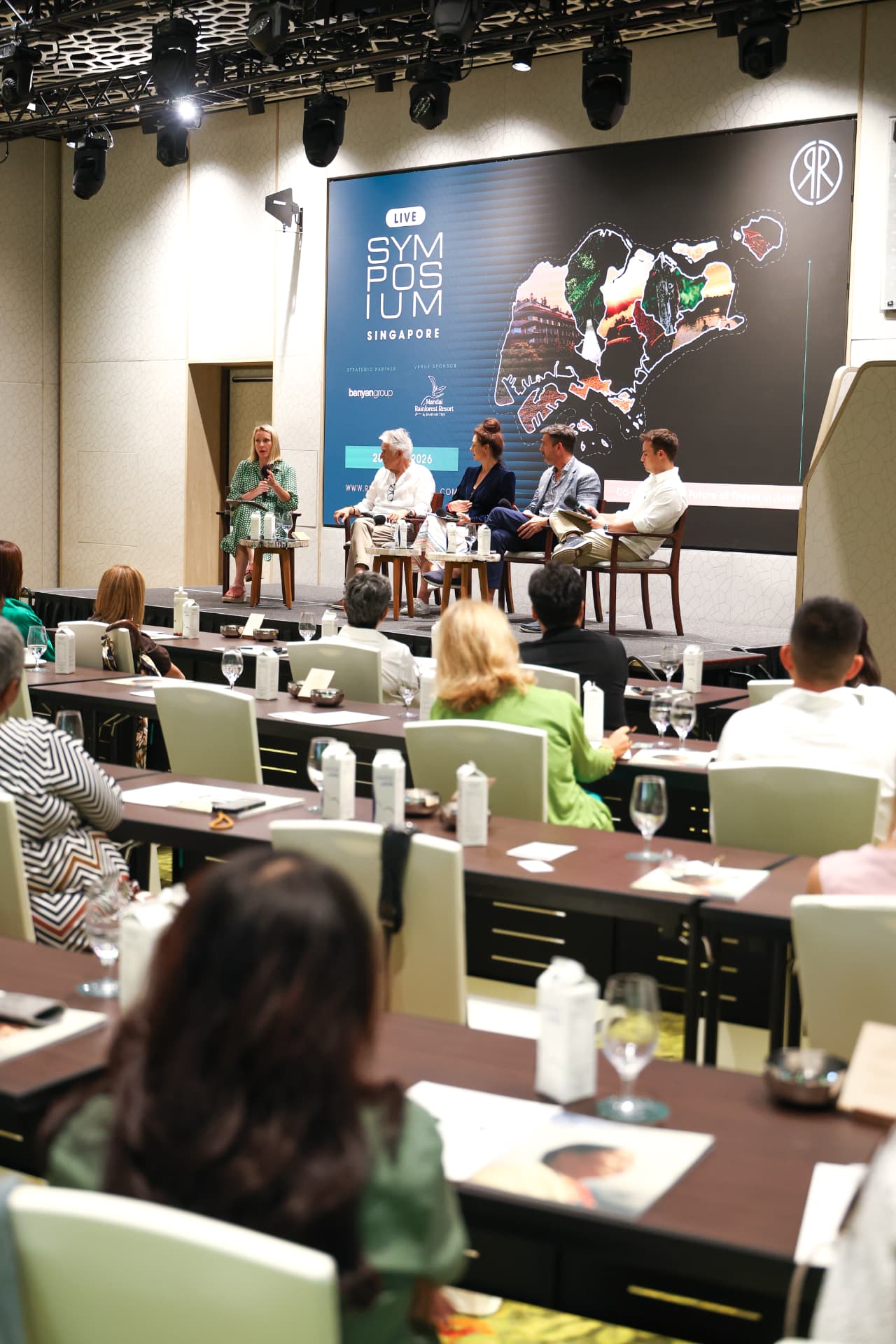
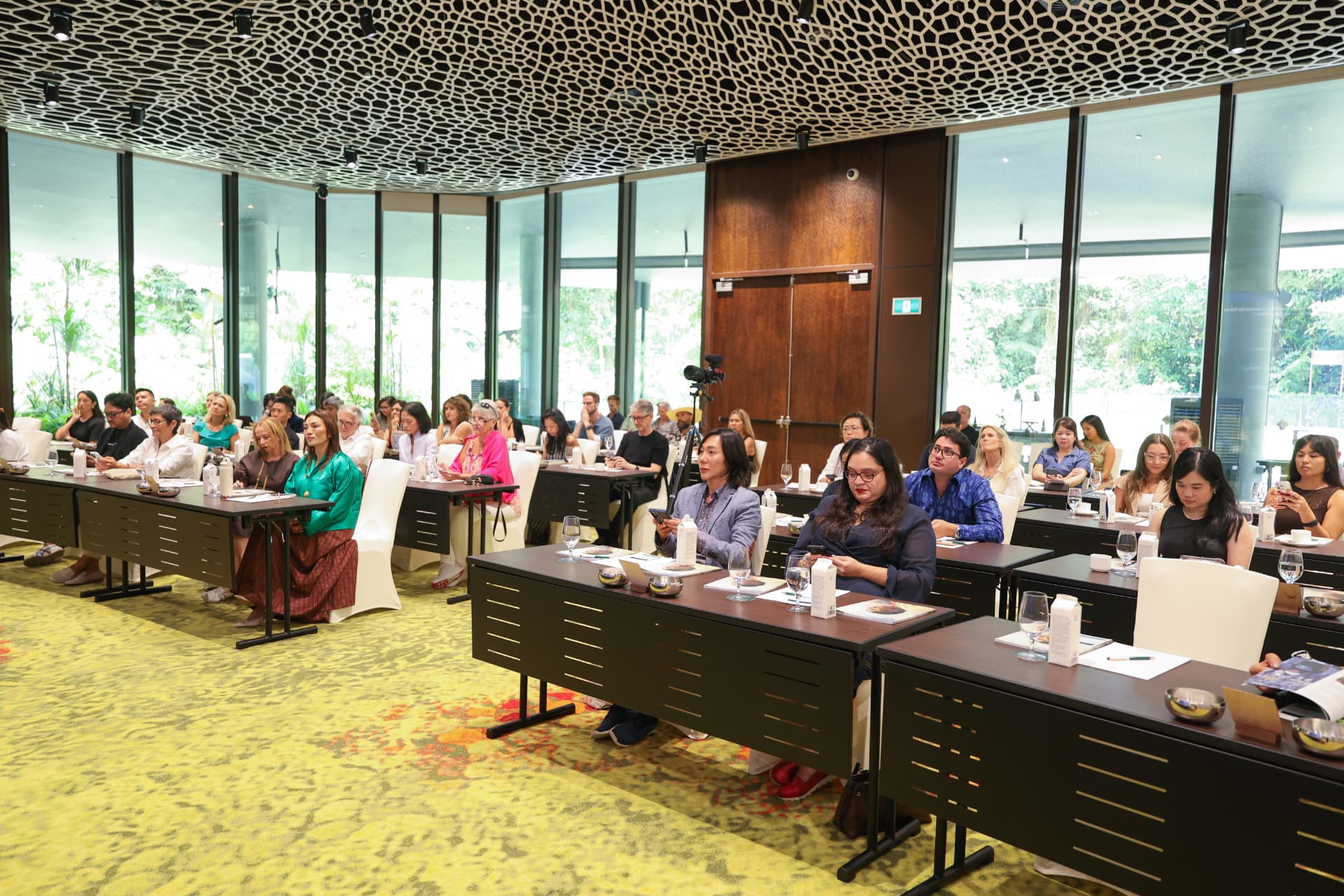
    Attendees seated at the Regenerative Travel Asia Symposium in Singapore
    Founders, sustainability directors and operators — a room that declined to flatter itself.

    The definition problem is not academic

    Maitri Fischer (Co-Founder & CEO, Eco-Mantra) put the risk plainly, warning that there is no shared definition of regenerative travel in Southeast Asia and that without one the term will dilute exactly the way "sustainability" did.

    This matters commercially rather than semantically. An undefined term cannot be verified, an unverifiable term cannot be differentiated, and an undifferentiated term is worth nothing to the operators actually doing the work, because it remains available for free to everyone who is not.

    Bali came up repeatedly as the cautionary case. Panelists cited figures showing 52% of the island's waste still entering the environment untreated, and only 40% of residents in the capital with access to clean water, all of it alongside continued hotel construction. The point was not to single out one island. It was that growth has consistently outpaced the most basic question available to us, which is what a place can actually carry. Carrying capacity belongs in the first line of a development brief, and it is almost never there.

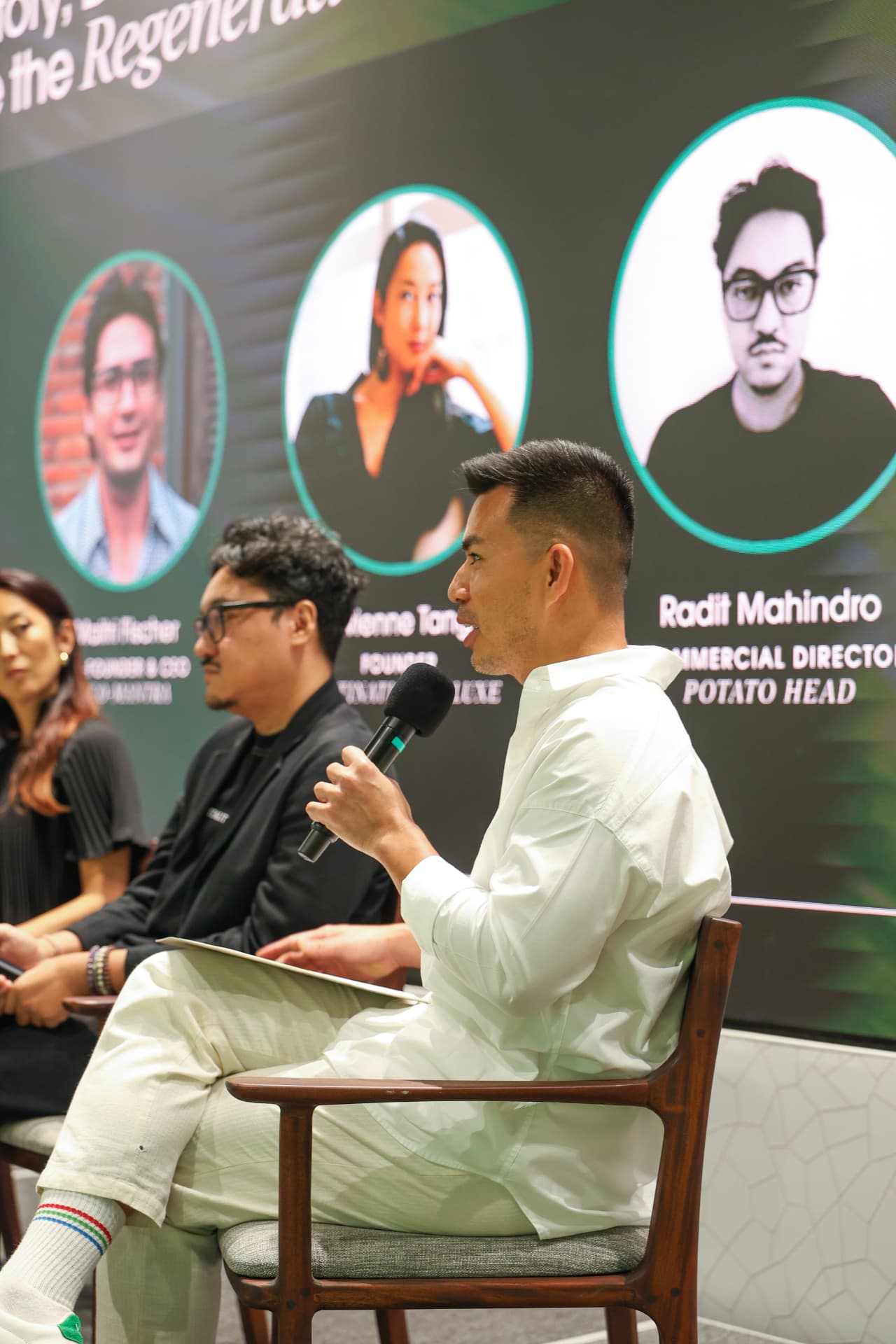
    The Leading with Vision panel on stage at the Asia Symposium
    Radit Mahindro on local knowledge as design authority, not atmosphere.

    Local knowledge is expertise, not colour

    Radit Mahindro (Commercial Director, Potato Head) made the observation that stayed with me longest. Communities that have managed land for a thousand years, two thousand years, are consulted as background. They appear as culture, as atmosphere, as a page in the brand book, rather than as authorities in development planning.

    If a community has held a system in balance across that timescale, they hold design authority. They belong at the start of the process, in the room where siting, capacity, water, and waste are decided, rather than at the end, in the storytelling.

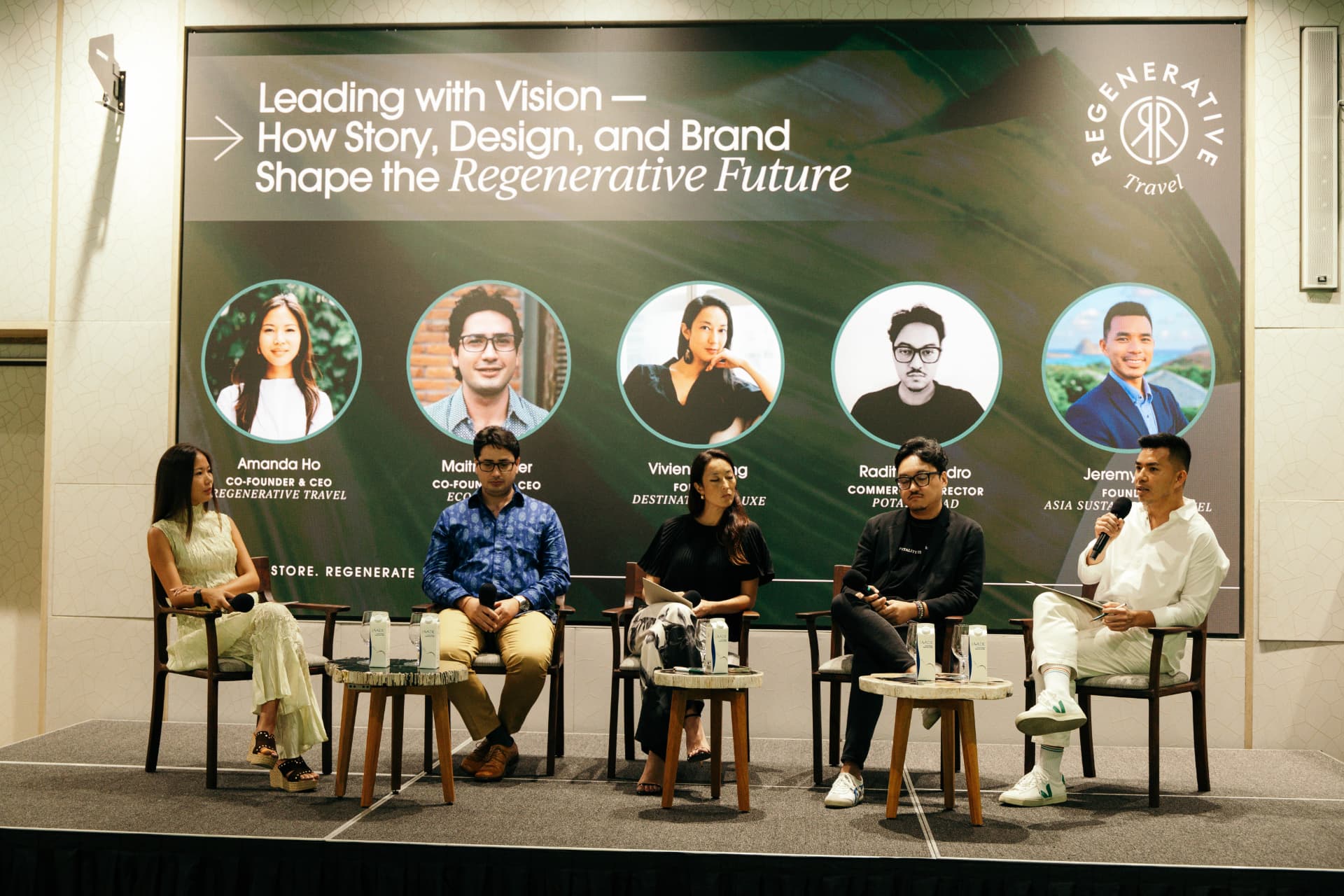
    Panel One, "Leading with Vision," also included Vivienne Tang (Founder & CEO, Destination Deluxe) and Jeremy Tran (Founder, Sainha; Co-Founder, Asia Sustainable Travel).

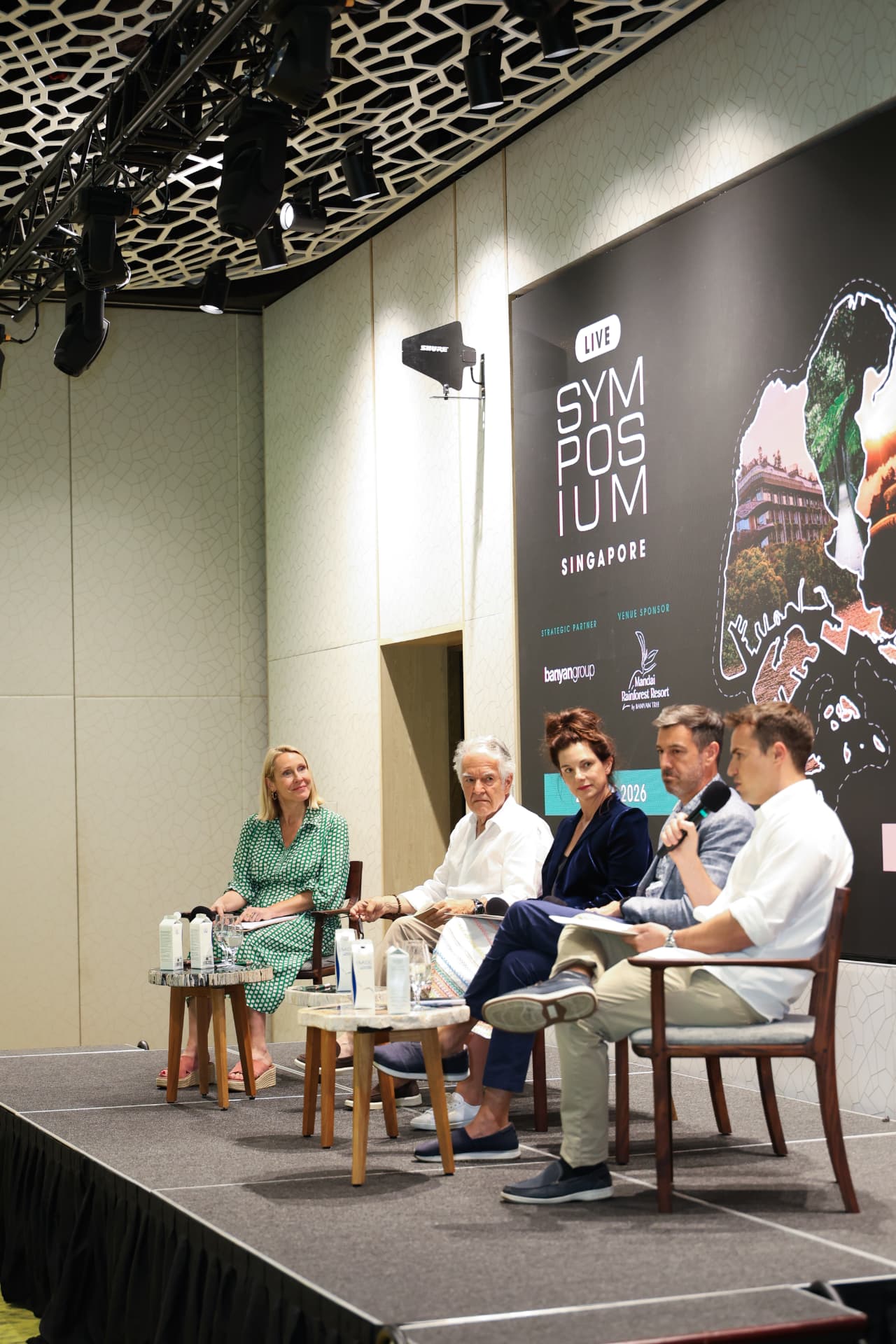
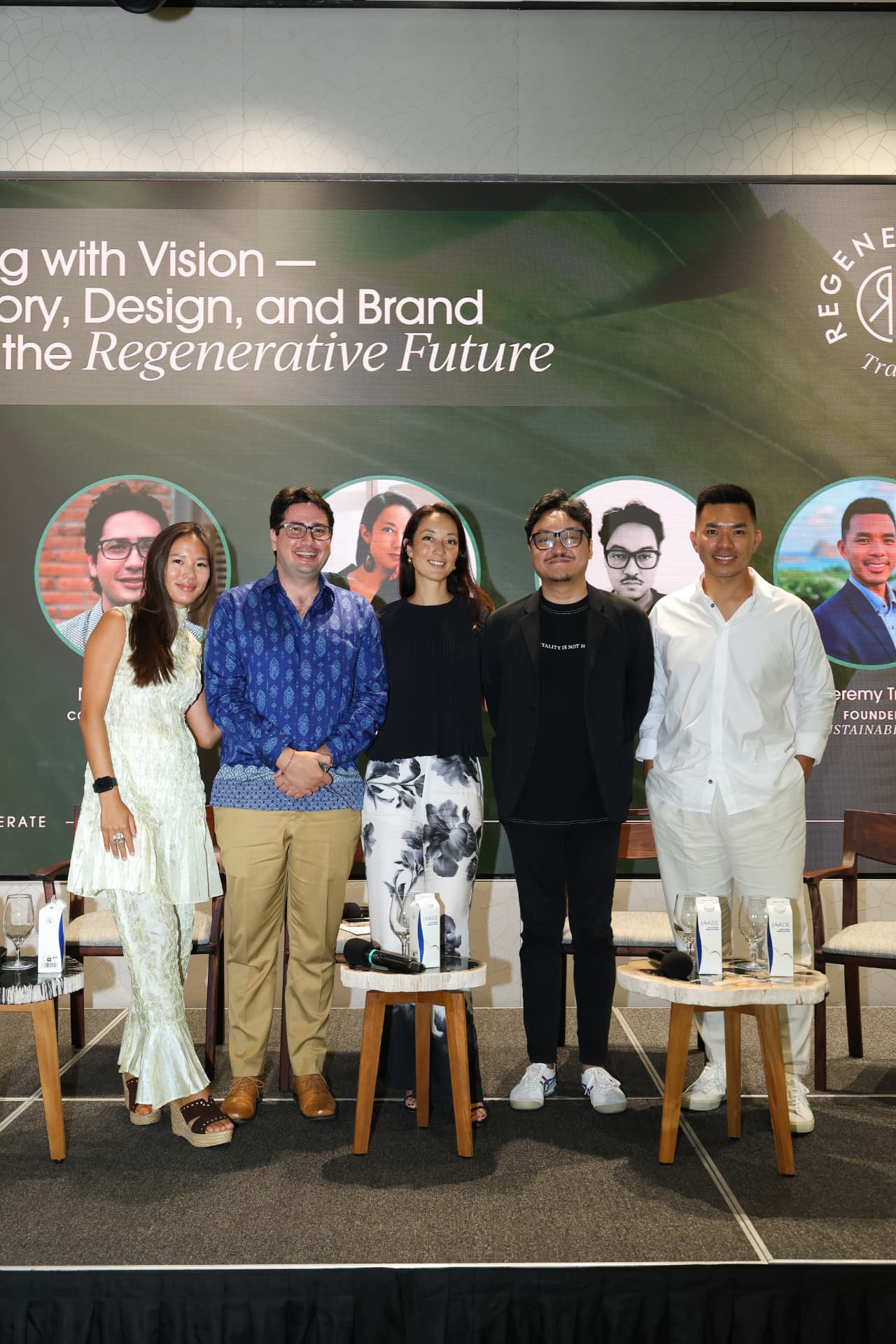
    Leading with Vision panel on stage at the Asia Symposium
    Panel One — Leading with Vision: How Story, Design, and Brand Shape the Regenerative Future.

    The economics are not the obstacle

    The most persistent excuse in this field is cost, and two things said in Singapore should retire it.

    The first came from Maitri Fischer, citing Eco-Mantra's own lifecycle data showing regenerative design paying back in seven to fourteen years against a typical ten-year hotel payback. Her conclusion, that it is only a win-win, was delivered as arithmetic rather than advocacy.

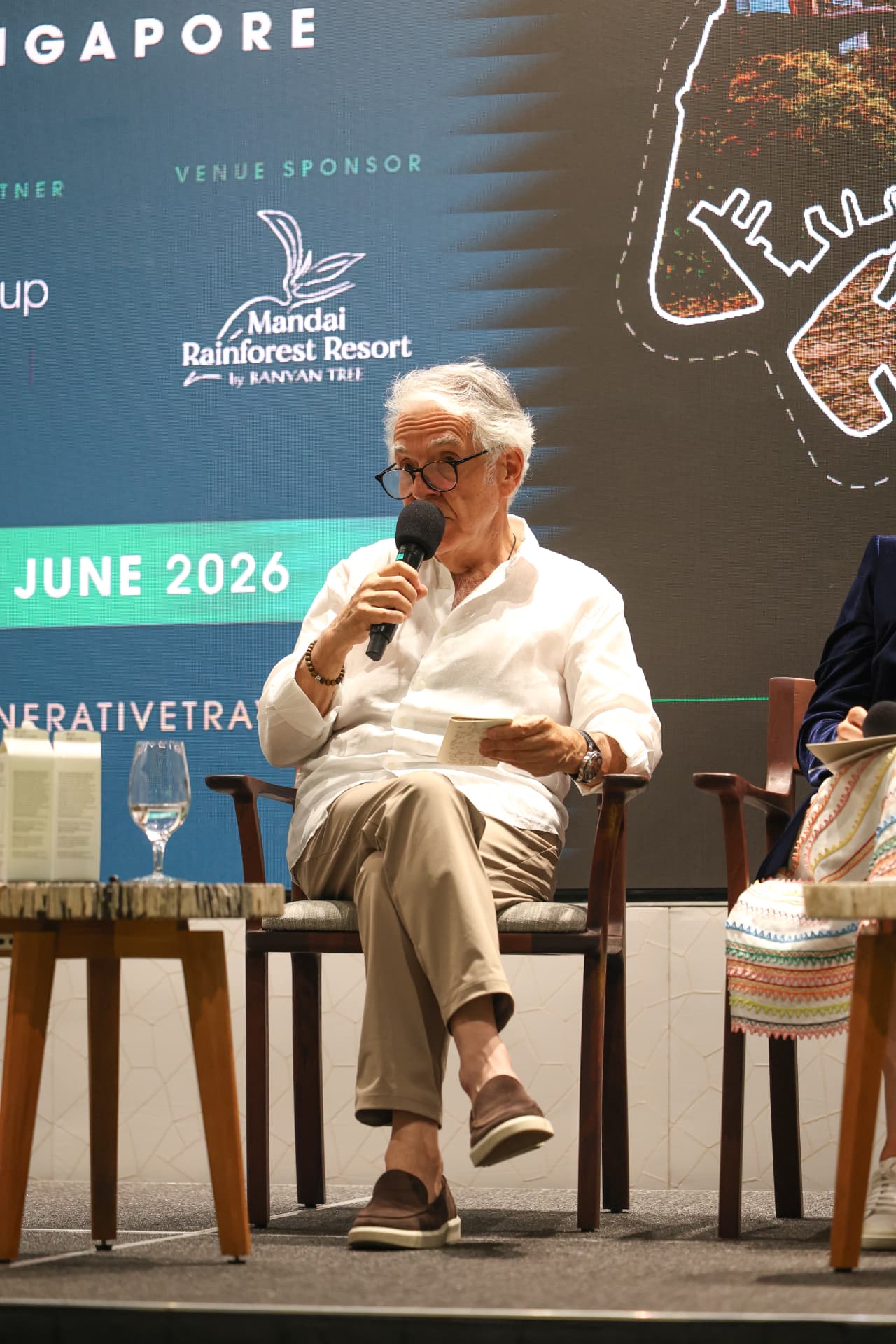
    The second came from the operations panel. Arnaud Girodon (CEO, Datai Hotels & Resorts) was direct in saying there is a great deal you can do without going into CapEx at all, and he pointed to staff and guest education, local artisan partnerships, and composting. Neil Jacobs (Founder, Wild Origins; former CEO, Six Senses Hotels Resorts) confirmed the structural version of the same principle. At Six Senses, management contracts required a fixed share of revenue be spent on sustainability work outside the hotel's own walls, and this was presented to new ownership groups as a non-negotiable condition of doing business.

    That is the most transferable idea from the day, and it is not a capital project. It is a contractual line item that survives changes in ownership, general manager, and market cycle.

    Neil Jacobs speaking on the operations panel at the Asia Symposium
    Neil Jacobs on contractual sustainability spend as a non-negotiable condition of doing business.

    People protect what they have touched

    Panel Two, "Breaking Ground," moderated by Juliet Kinsman, converged on a single operating insight that was arrived at independently by operators running very different properties.

    Nicholas Hardman (Group Director of Sustainability, Banyan Group) described sharing reef data with guests and watching it fail to land, then inviting the same guests to plant coral and return a year later to see it. The second approach produced commitment where the first produced nothing.

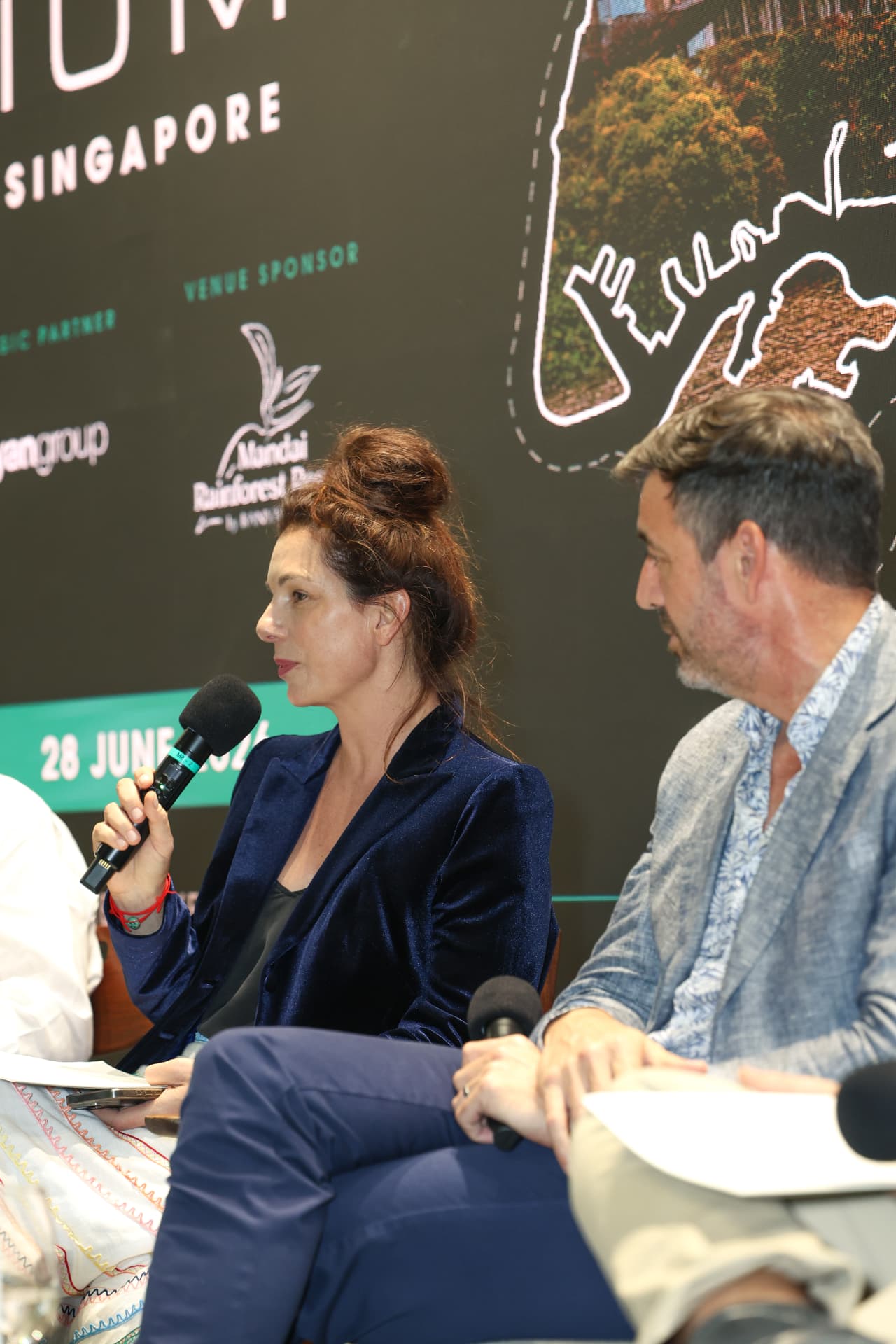
    Melita Koulmandas (Founder, Song Saa Collective and Saraan Sanctuaries) described the deeper version. Song Saa's reef restoration work was undertaken in direct partnership with the local community before the resort opened, and the trust built in that sequence is still the engine of the brand's reputation today.

    Sequence is the lesson here. Community partnership comes first, the property second, the story third. Reverse that order and you inherit a communications problem you will spend a decade managing.

    Stop presenting data and start creating direct experience. Data informs. Experience binds.
    Melita Koulmandas speaking on the Breaking Ground panel
    Melita Koulmandas on community partnership coming before the property.

    From the room

    Two days in Singapore, with founders, sustainability directors and operators in the room.
    Two days in Singapore, with founders, sustainability directors and operators in the room.
    Panel One — Leading with Vision: How Story, Design, and Brand Shape the Regenerative Future.
    Panel One — Leading with Vision: How Story, Design, and Brand Shape the Regenerative Future.
    Amanda Ho opening the symposium with three pivots the industry still has to make.
    Amanda Ho opening the symposium with three pivots the industry still has to make.
    Jeremy Tran, Founder of Sainha and Co-Founder of Asia Sustainable Travel.
    Jeremy Tran, Founder of Sainha and Co-Founder of Asia Sustainable Travel.
    Radit Mahindro on local knowledge as design authority, not atmosphere.
    Radit Mahindro on local knowledge as design authority, not atmosphere.
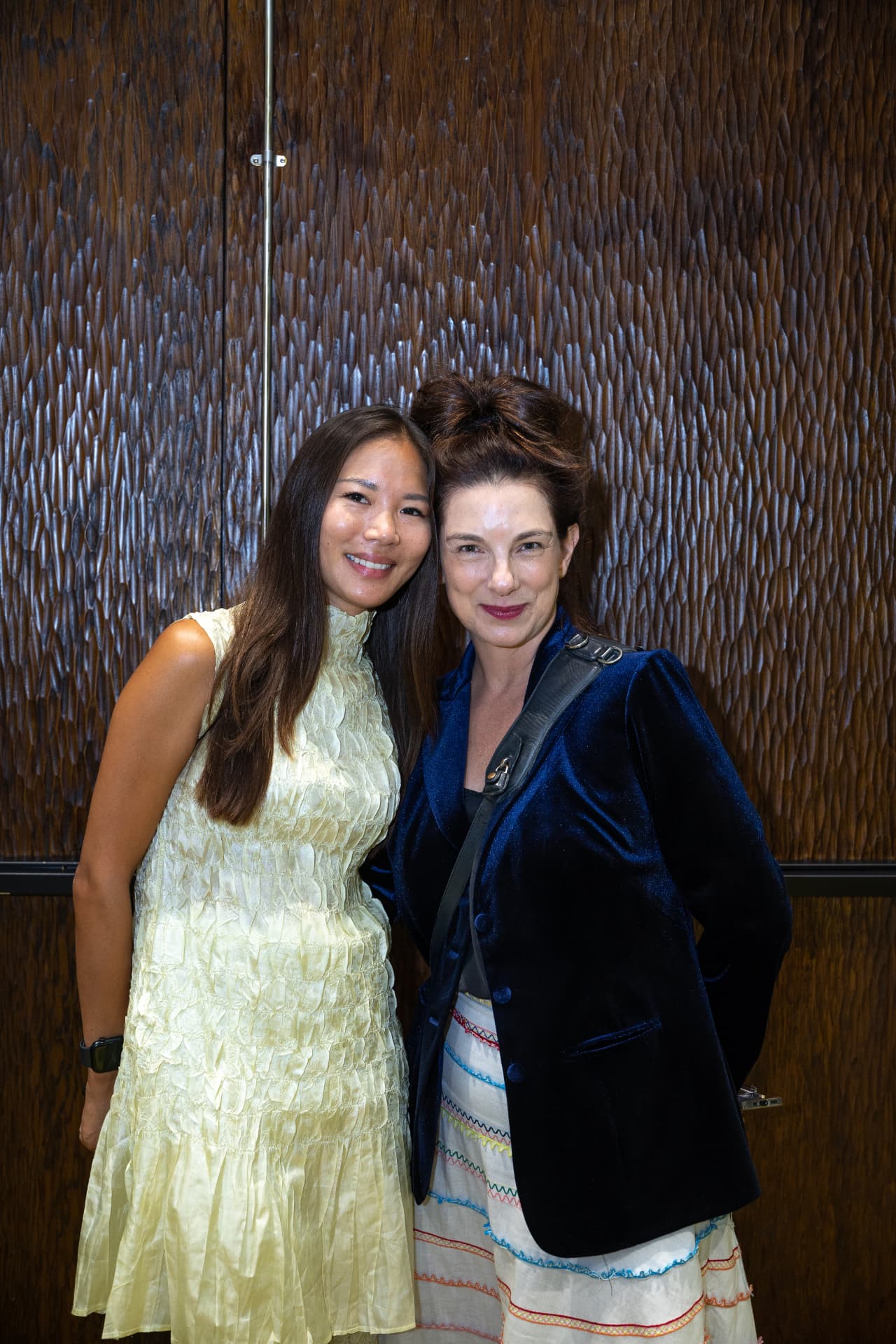
    Amanda Ho with sustainability journalist Juliet Kinsman, who delivered the keynote.
    Amanda Ho with sustainability journalist Juliet Kinsman, who delivered the keynote.
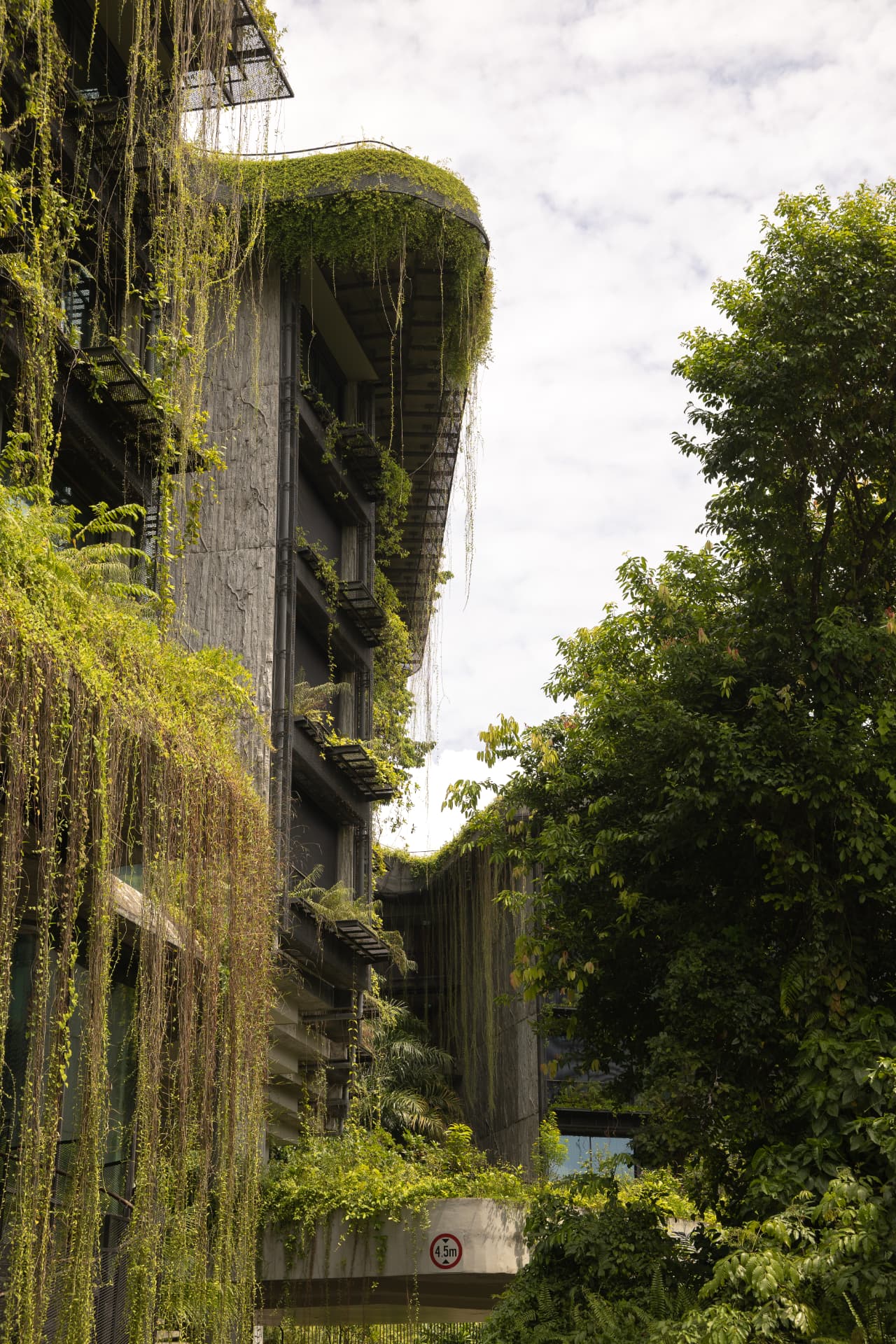
    The host architecture — planted facades and canopy-level walkways.
    The host architecture — planted facades and canopy-level walkways.
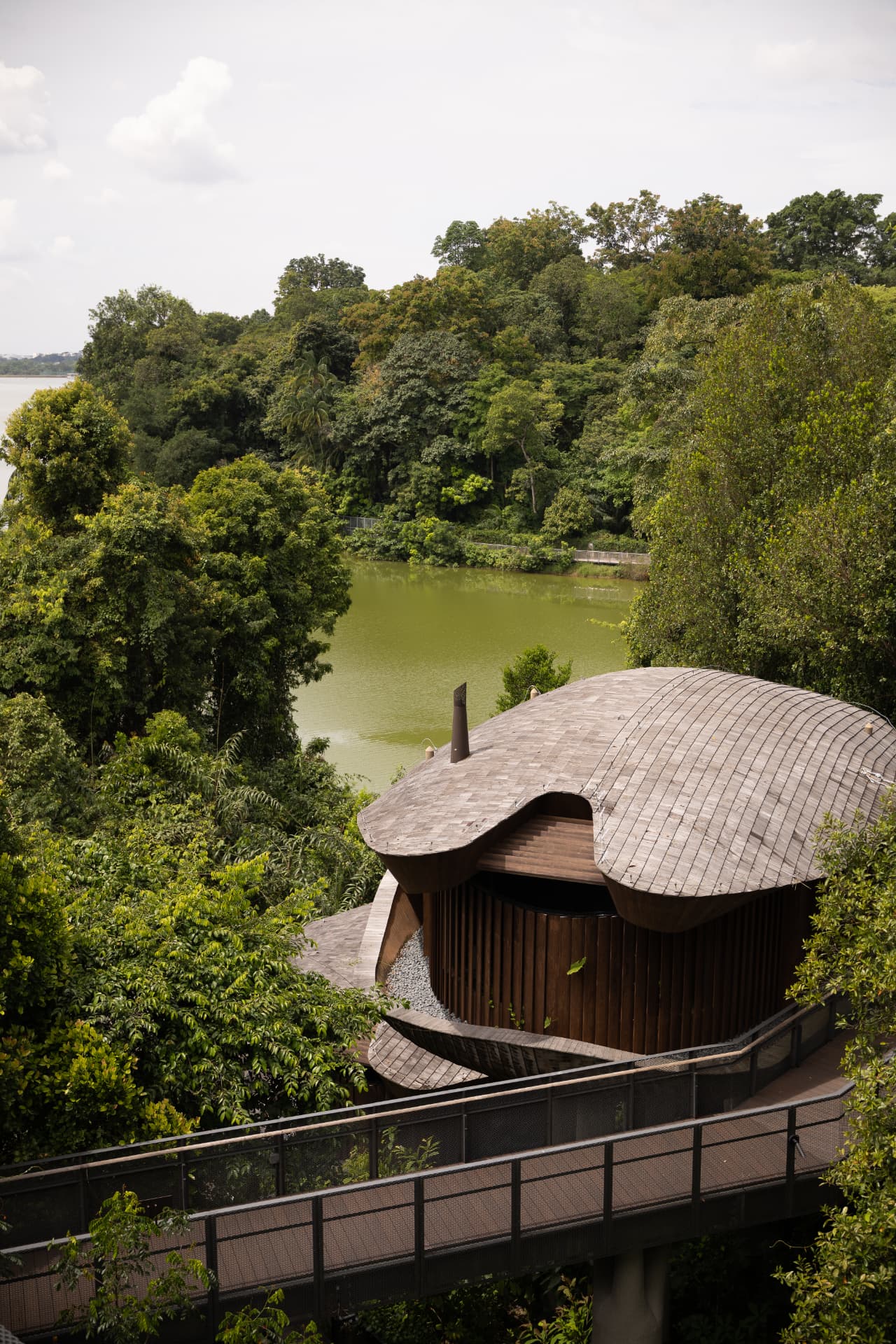
    Singapore, June 2026 — a venue built into the forest edge rather than over it.
    Singapore, June 2026 — a venue built into the forest edge rather than over it.
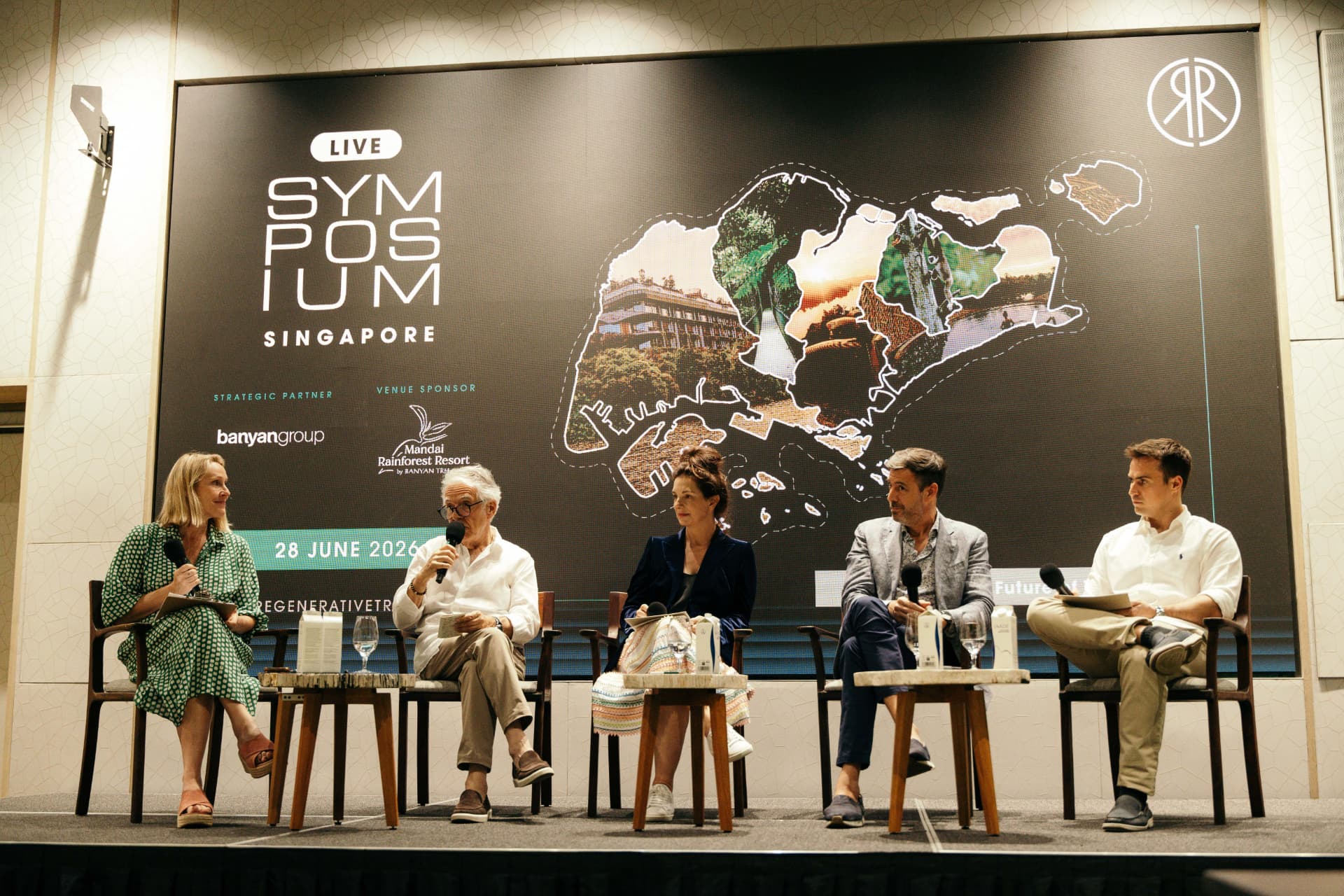
    Panel Two — Breaking Ground, moderated by Juliet Kinsman.
    Panel Two — Breaking Ground, moderated by Juliet Kinsman.
    Neil Jacobs on contractual sustainability spend as a non-negotiable condition of doing business.
    Neil Jacobs on contractual sustainability spend as a non-negotiable condition of doing business.
    Melita Koulmandas on community partnership coming before the property.
    Melita Koulmandas on community partnership coming before the property.
    Juliet Kinsman moderating, after a keynote drawn from London Climate Action Week.
    Juliet Kinsman moderating, after a keynote drawn from London Climate Action Week.
    Operators and sustainability directors at the Mandai Rainforest Resort.
    Operators and sustainability directors at the Mandai Rainforest Resort.
    The room rated its own corner of the industry extractive more often than regenerative.
    The room rated its own corner of the industry extractive more often than regenerative.
    Breaking Ground, on stage in Singapore.
    Breaking Ground, on stage in Singapore.
    Five voices on what the next ninety days should hold.
    Five voices on what the next ninety days should hold.
    Juliet Kinsman and Amanda Ho between sessions.
    Juliet Kinsman and Amanda Ho between sessions.
    28 June 2026 — the second day of the symposium from the back of the room.
    28 June 2026 — the second day of the symposium from the back of the room.

    Greenwashing, unresolved

    Asked whether verification is improving, Arnaud Girodon said it is a huge topic and, unfortunately, not getting any better.

    Panelists pointed travellers toward third-party bodies such as EarthCheck and GSTC, and toward published property impact reports, as the most reliable signals currently available. Nobody in the room pretended this was sufficient. The burden of verification still sits with the traveller, which is an absurd place to have left it.

    Knowledge-sharing was described as similarly inconsistent. Some larger groups have begun publishing open-source sustainability research, but competitive instinct still suppresses most of it, particularly between large operators and the smaller ones who would benefit most. This is the scarcity-to-abundance pivot in its most concrete form. The research is not the moat. The execution is.

    Juliet Kinsman moderating the Breaking Ground panel
    Juliet Kinsman moderating, after a keynote drawn from London Climate Action Week.

    What the room committed to

    We closed by asking attendees to name one action for the next ninety days.

    The responses did not cluster around capital projects or certifications. They clustered around voice and connection, with pledges to ask uncomfortable questions of the businesses they frequent, to share sustainability stories that are usually kept internal, to build playbooks for frontline staff, and, written plainly by more than one person, to love more and empathise more.

    Which is close to where the day began. Head to heart to hands.

    Attendees seated in rows at the Mandai Rainforest Resort
    Operators and sustainability directors at the Mandai Rainforest Resort.
    Speakers from the Leading with Vision panel at the Asia Symposium
    The Leading with Vision panel, Singapore, June 2026.

    What comes next

    The Symposium was a reading of where the field actually stands, taken from people with no incentive to overstate it.

    The work continues in smaller rooms and longer formats, through our curated Retreats collections, through the Song Saa Living Systems Residency this October and November, and through the gatherings we are building toward in Bangkok and beyond.

    The gap between our language and our operating reality is now documented. Closing it is the only interesting problem left.

    The Regenerative Travel Asia Symposium was held in Singapore on 28 and 29 June 2026.