Three days in Phuket at the 20th Global Wellness Summit showed me that the wellness industry is arriving at the same place regenerative travel started. The best journeys restore the traveller, the host community and the ecosystem at once.
I travelled to Phuket in November as accredited media for Regenerative Travel. The Global Wellness Summit gathers the leaders of a $6.8 trillion industry, and this year's theme was the science, the art and the soul of wellness. Wellness travel is one of the fastest growing parts of that economy, which makes the conversations in that room directly relevant to every hotelier, travel advisor and conscious traveller in our community.
I came with one question. Is the wellness industry ready to think regeneratively? At Regenerative Travel we describe a regenerative journey as one that leaves three things better than it found them. The traveller returns rested and healthier. The host community gains livelihoods and keeps its culture strong. The landscape and its living systems are left more whole. Over three days I heard speaker after speaker arrive at the same idea from different directions.
Day one. Wellness is something we practise together
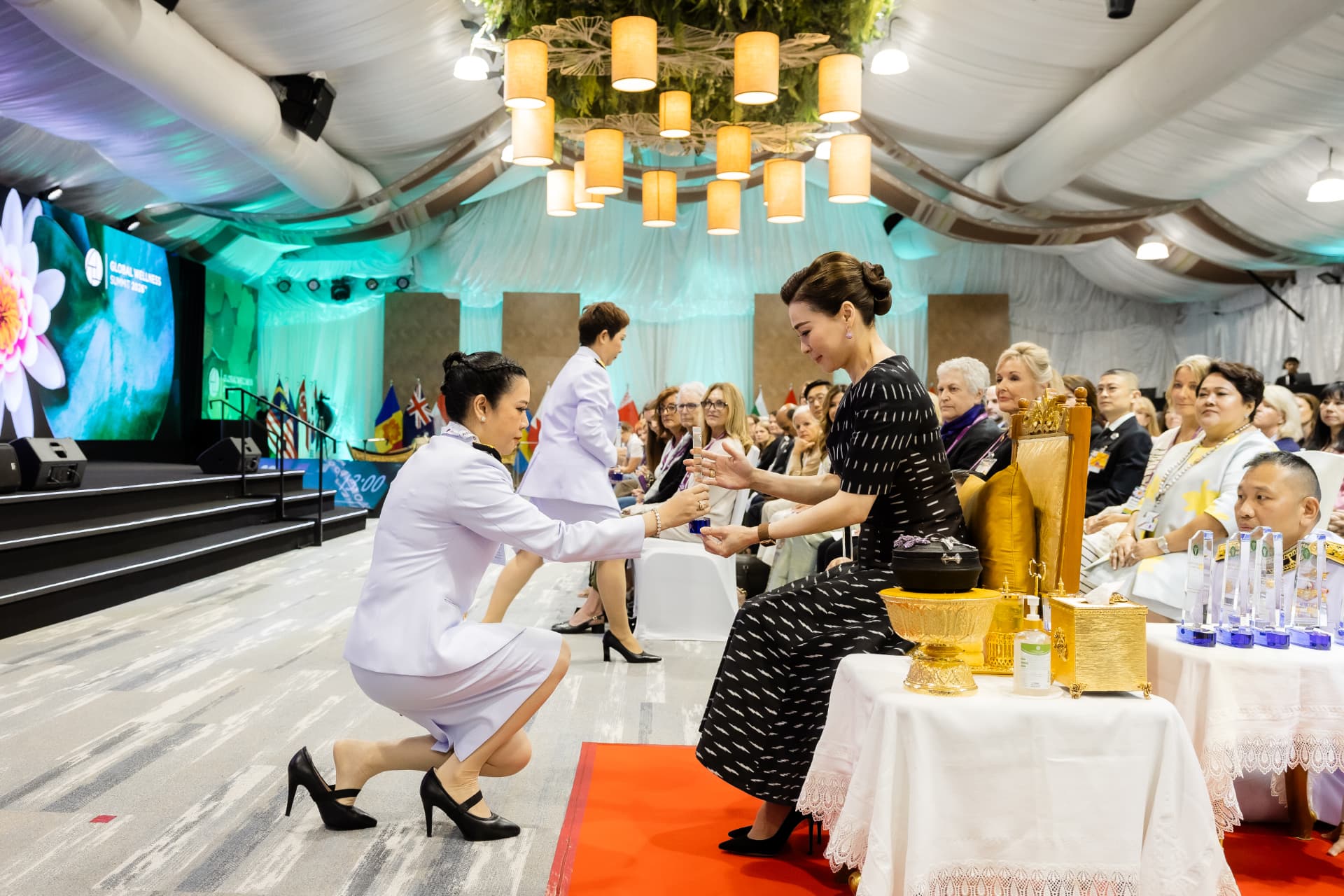
The Summit began on the sand at Angsana Laguna Phuket, with delegates moving to music and breath as the Andaman light rose. Girls from the Dhammajarinee Witthaya School, which educates more than 1,000 underserved girls, shared a Buddhist chanting ceremony rooted in gratitude. Her Majesty Queen Suthida of Thailand then opened the Summit. She helped lead Thailand's sailing team to gold at the 2025 Southeast Asian Games, and when she trains, her whole team trains with her. It was a fitting start for a community that believes the most meaningful travel is shared.
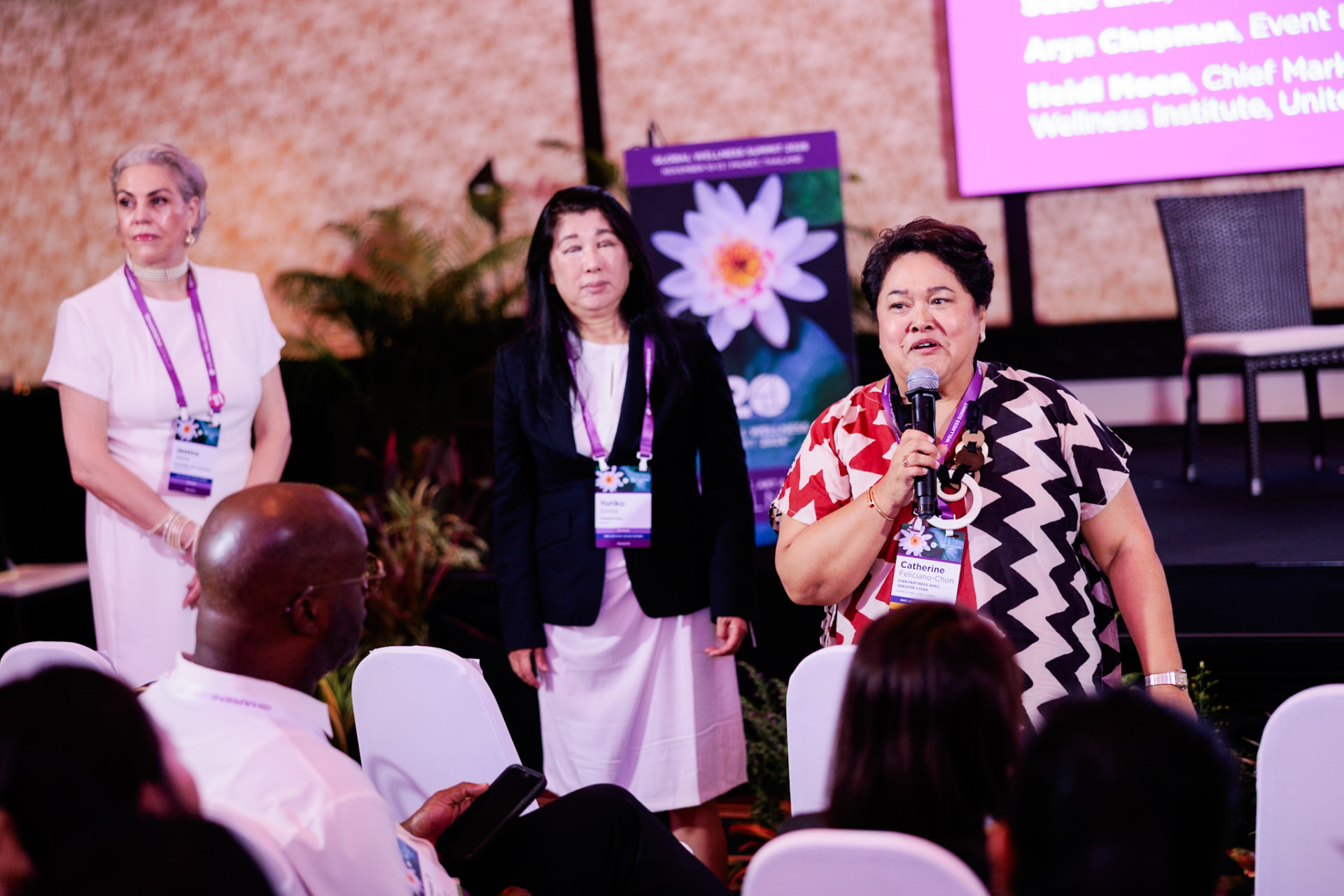
The numbers that followed should matter to anyone selling journeys in this region. Asia's wellness market is now worth $2 trillion and grew 9.3% in 2024, the same year Asia passed Europe in the number of wellness trips taken. Co-chair Cathy Feliciano-Chon called Asia "the primary growth engine for the future of travel, luxury and wellness." For advisors, that means demand is shifting east, and travellers will want hosts who understand wellness as part of local life rather than an add-on.
The sharpest contrast of the day was how longevity is approached. In the US it is mostly sold as something to buy. Asia is building it into everyday life because it has to, with one in four Asians set to be 60 or older by 2050. Singapore offers families a S$30,000 grant to buy a flat and live with their parents, or S$20,000 to live within 4km of them, and was named the world's sixth Blue Zone in 2023, the first engineered by policy. In Kerala, Tulåh pairs Ayurveda with genome mapping on 30 acres of medicinal gardens and rewilded forest, proof that the most compelling wellness stays are rooted in place, heritage and land.


Other notes from the day pointed to what travellers will look for next. Falling birth rates and ageing populations raise a practical question for every destination, which is how we build places where seniors can move every day. Academic bars in Shanghai, Beijing and Guangzhou suggest that thinking and learning are becoming a luxury in their own right, as AI makes original thought feel rarer. And grief remains under-programmed, a gap that retreats with time, nature and ceremony are well placed to fill.

None of this is new to Thailand. Thai massage, herbs and meditation have long linked heritage to health, and Thai massage joined UNESCO's intangible cultural heritage list in 2019. My takeaway from day one was that true wellbeing must include our relationship to one another, and to the cultures that hold this knowledge.
Day two. Wellness that gives more than it takes
Day two was the most regenerative day of the Summit, and the line I kept returning to was simple. Wellness that only takes from us was never wellness.
It started with attention. We are living with a kind of collective ADHD, our focus scattered everywhere at once, and the answer I heard on stage was MOMO, the magic of missing out. For travel, this is a gift. The slow, unplugged, place-based journeys our member hotels already offer are exactly what a distracted world is starting to crave.
Then came the hosts showing how it is done. Ronald Akili of Desa Potato Head described the thinking behind his creative village in Bali, built around two human needs, love and contribution. His message was to build a life that gives more than it takes.
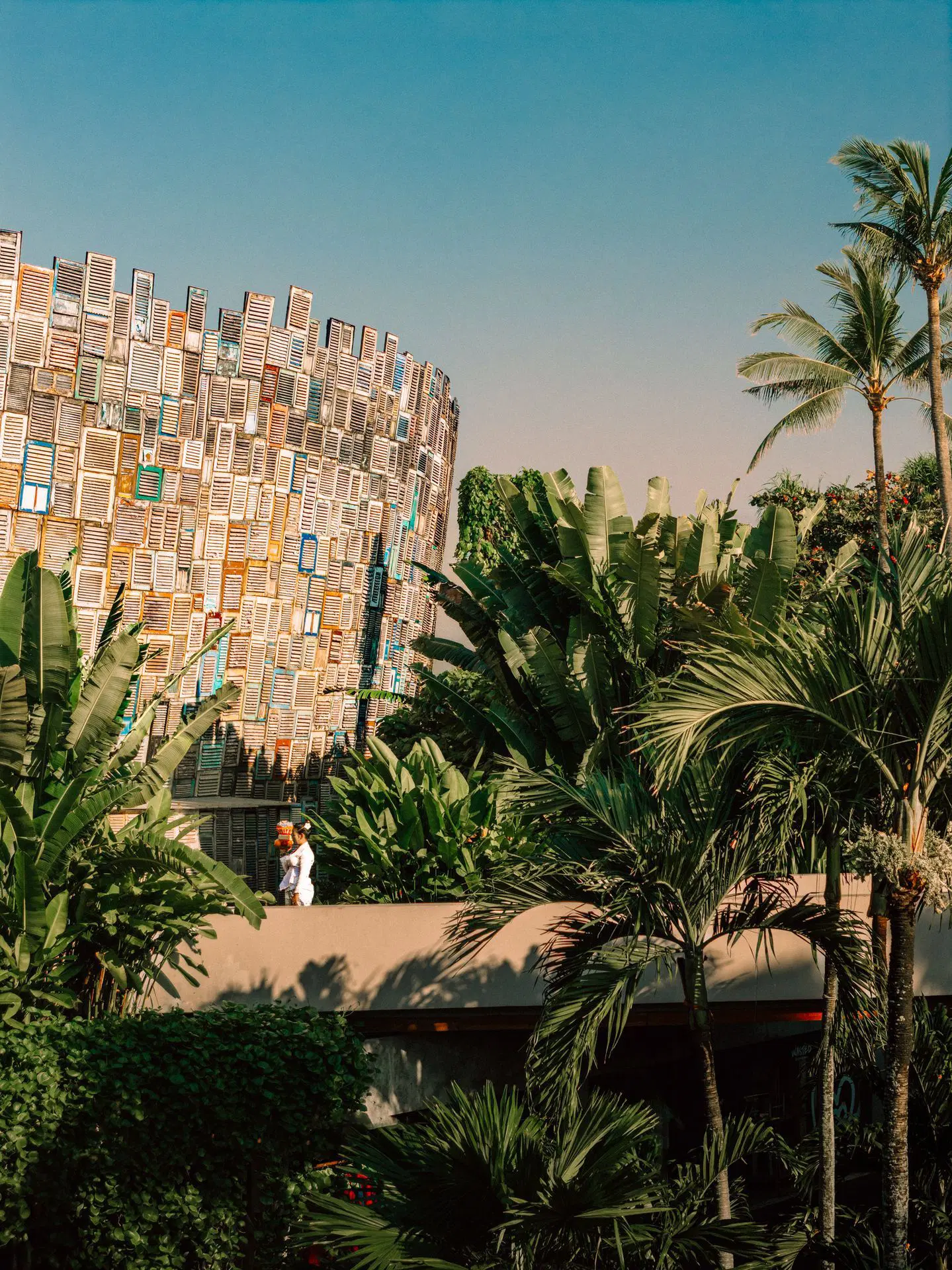
"Wellbeing has always been about feeling, not fixing."Ronald Akili, Desa Potato Head
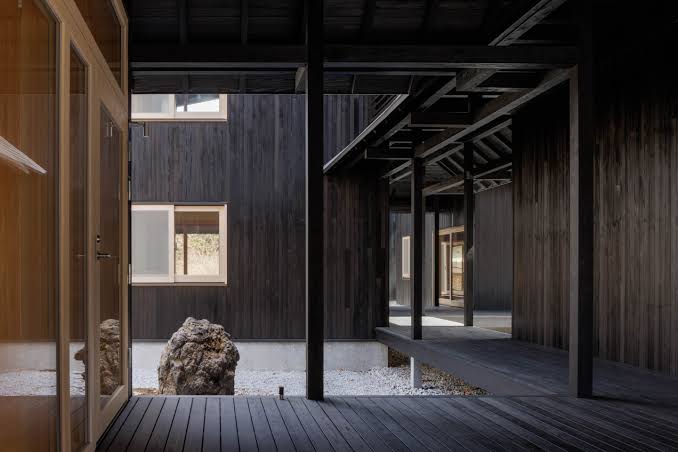
At Shishi-Iwa House in Karuizawa, retreats designed with Pritzker Prize winners Shigeru Ban and Ryue Nishizawa show that architecture itself can restore a guest. A Kazuyo Sejima house in Hakone and a Junya Ishigami retreat in Karuizawa are next. Both are reminders that design, materials and a sense of place are part of the wellness offer.
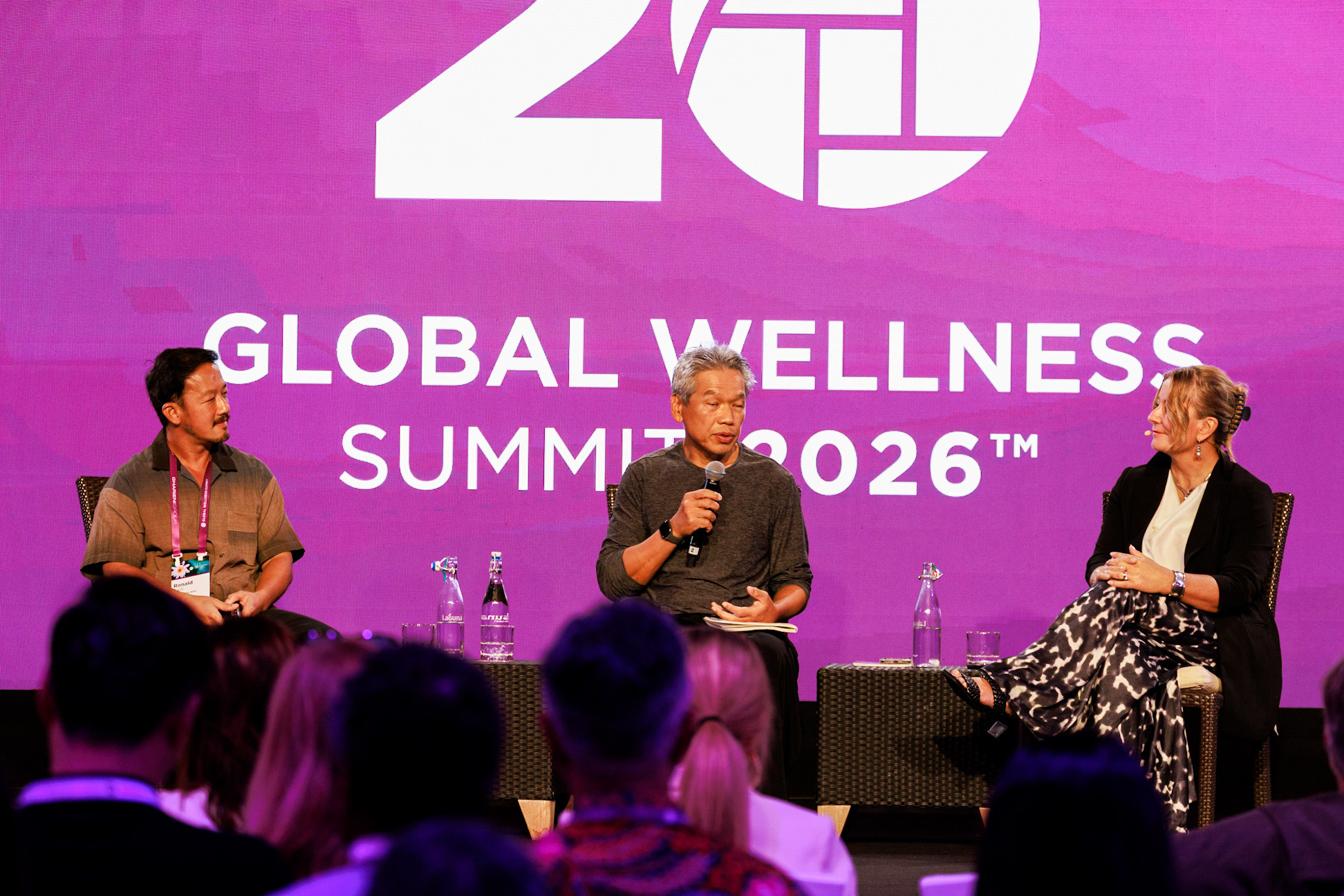
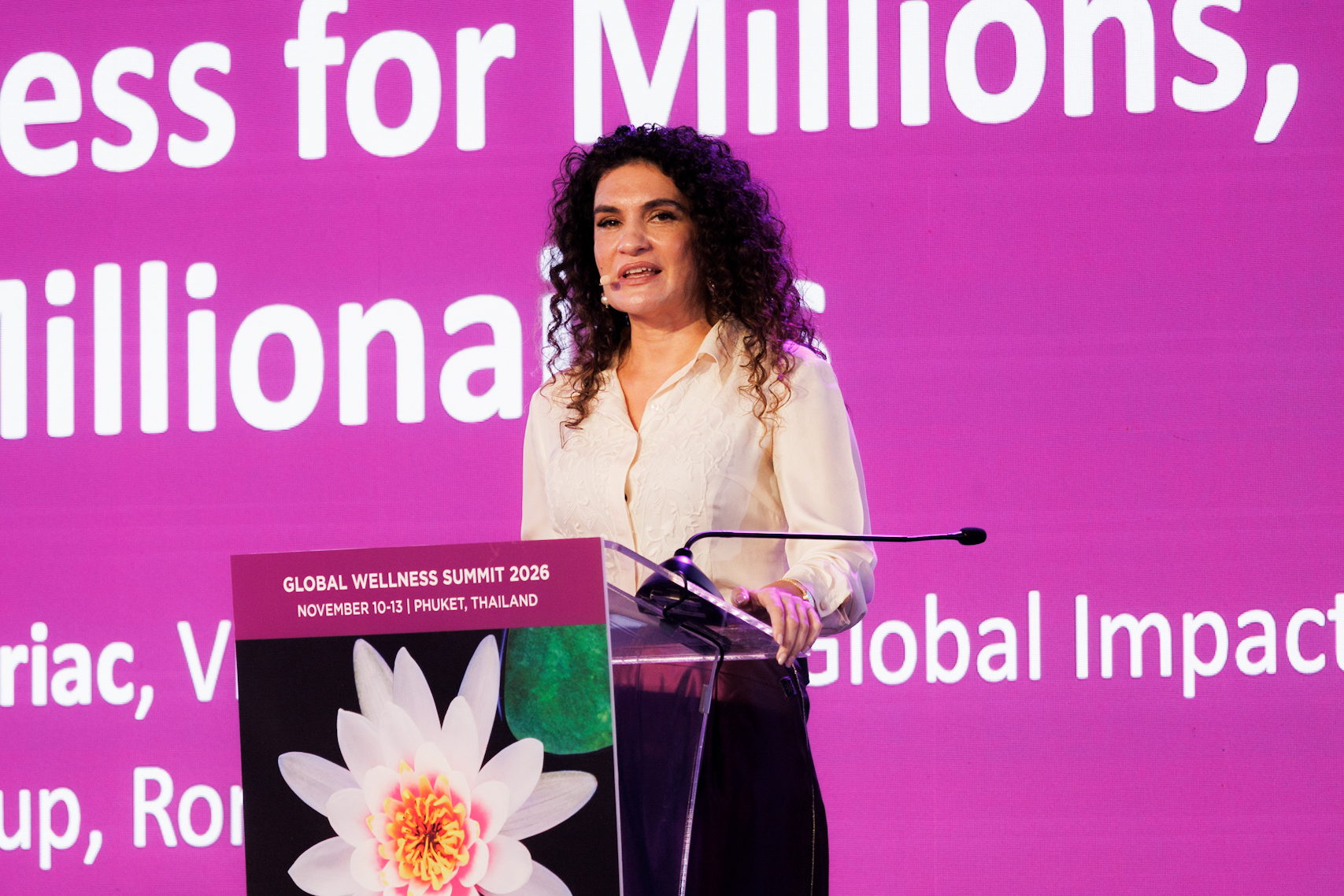
The most sobering session was on microplastics. Professor Gerry Bodeker, who co-chairs the Global Wellness Institute's Microplastics Watch, shared research finding them in human blood, lungs, placenta, breast milk and brain tissue. They have even been found in snow at 8,440 metres, just below the summit of Everest. Every hotel and retreat now has to ask what its guests are breathing, drinking and wearing, and how its supply chain affects the places around it.
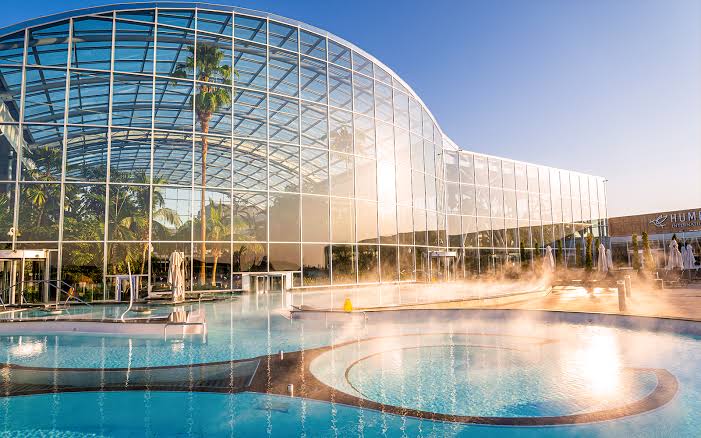
The day closed on the economics. In the UK, social prescribing connects patients to activity and community, and Therme Group wants wellbeing resorts within 90 minutes of 90% of Britain. A PwC study estimated Therme Manchester could help save 1.1 million hospital days a year. The IMF went further, finding that a 70-year-old in 2022 had the cognitive health of a 53-year-old in 2000, and that healthy ageing could add 0.4 points to global GDP growth every year to 2050. Health has become one of the ways economies grow, and travel that genuinely restores people is part of that story.

Day three. Wellness is moving into everyday places
The final day opened with the question every leader is facing right now. How do we build cultures that flourish in a fractured world? Renee Moorefield of Wisdom Works and Eva McLellan of Roche and Unlocking Eve answered with a call to lead with every kind of intelligence, rational, somatic, intuitive and artificial, held together. Spiritual, mental and physical health came up again and again as three pillars that only work when cared for as one. For those of us who design and host journeys, it is a useful lens. The trips people remember are the ones that reach all three.
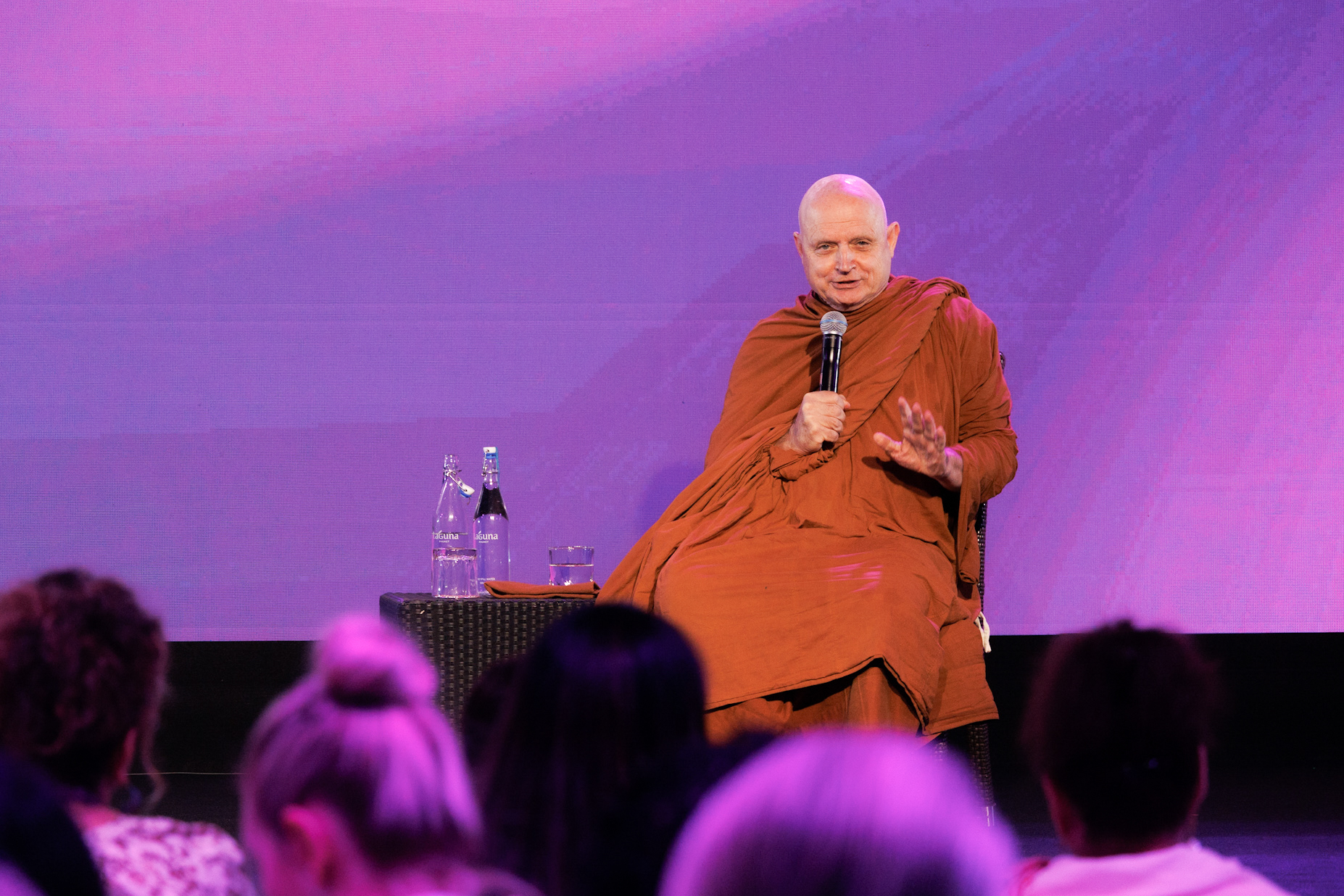
BDMS shared a figure that reframes the whole wellness conversation. Globally we live an average of 71.4 years, but only 61.9 of them in good health, close to a decade lived in poor health. Closing that gap means wellness has to live where we already are.
That was the heart of Heidi Moon's session on wellness cities. Wellness is becoming ambient, moving out of the spa and into the streets, homes and public spaces we use every day. The clearest example on show was WellEra Bangkok, a development of about US$865 million by Bangkok Dusit Medical Services in the Lumpini district, planned to open in 2030. It brings a wellness clinic, Capella Residences, an urban wellness retreat and lifestyle retail into one district of more than 200,000 square metres, built around six dimensions of healthy longevity.
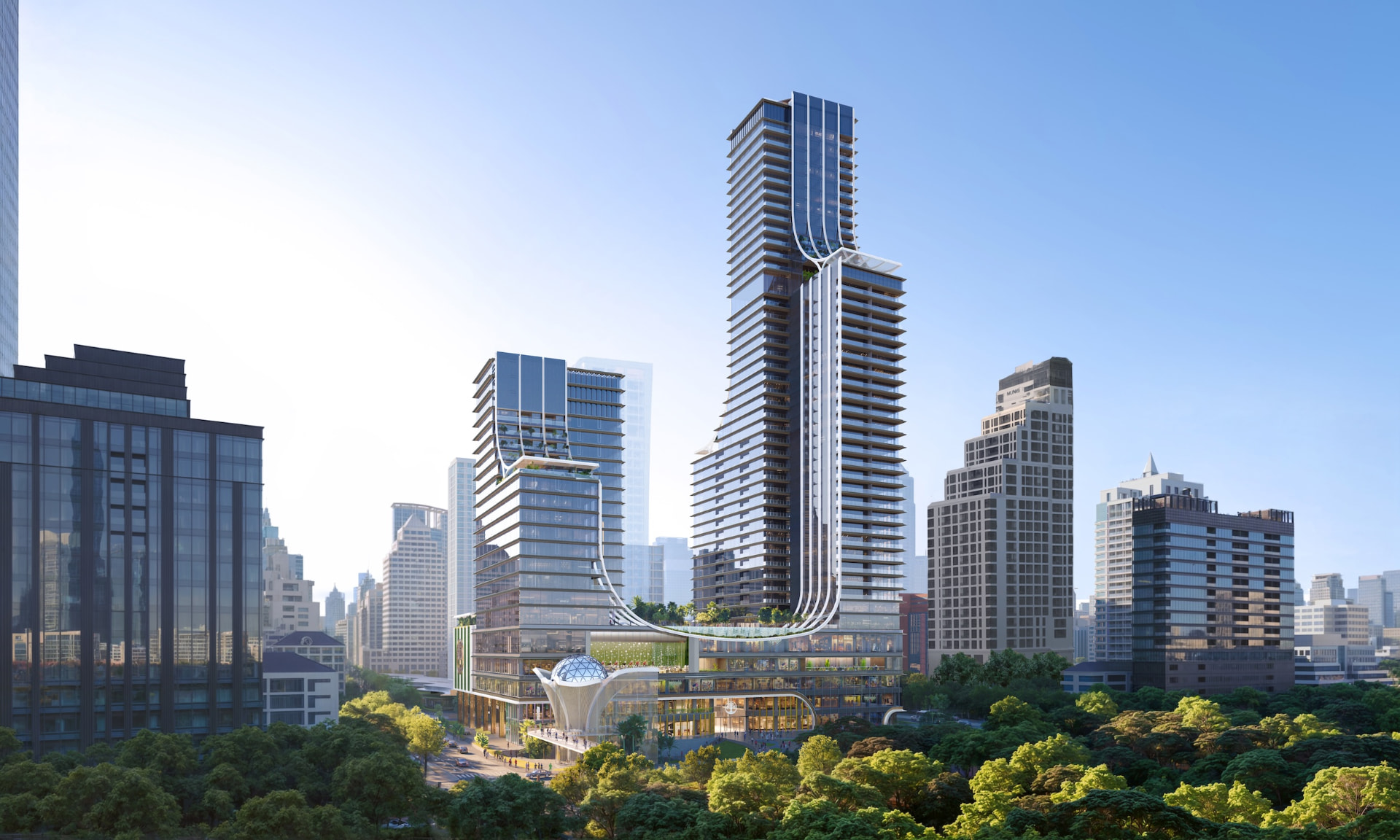
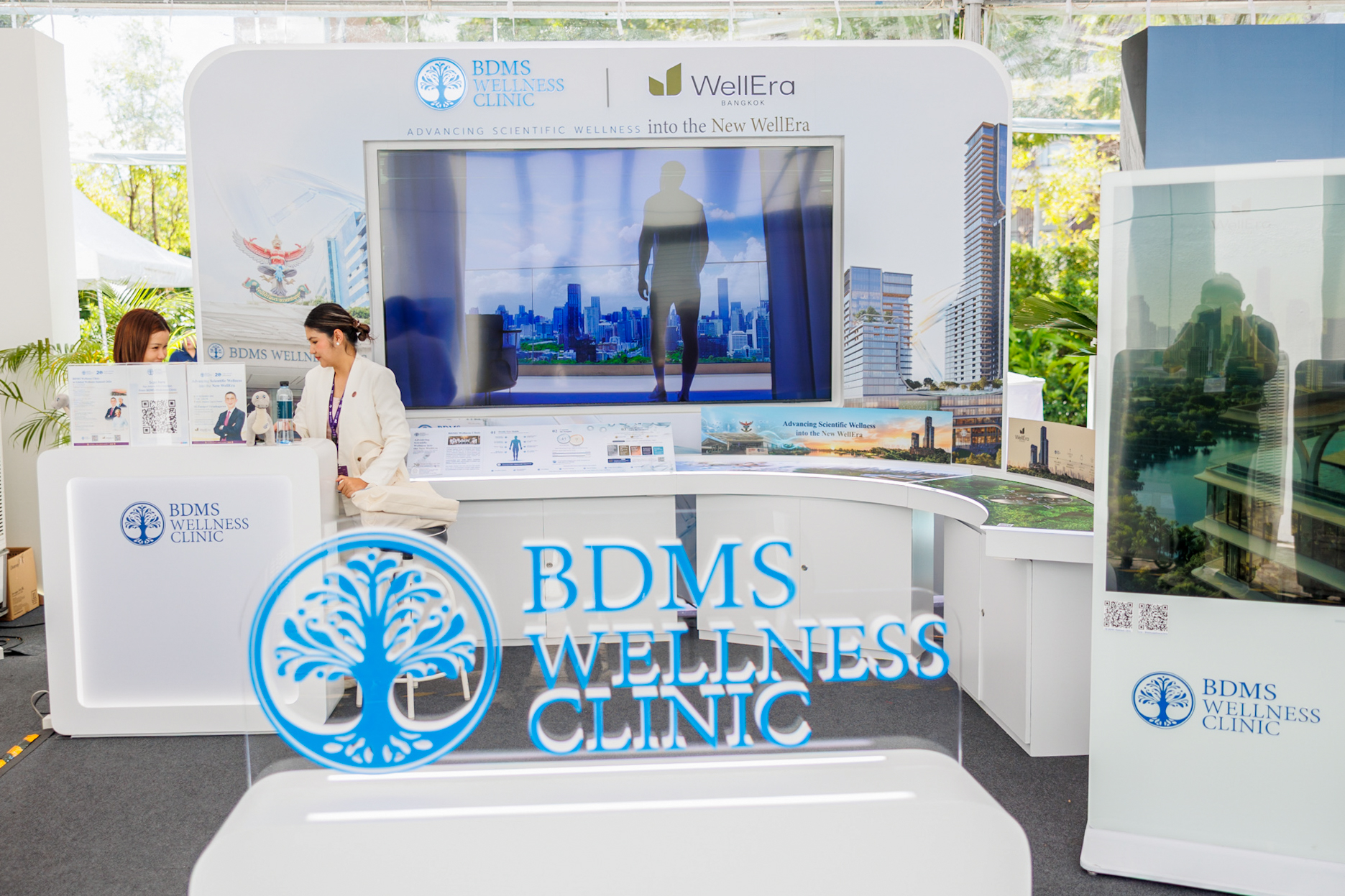
For regenerative travel, ambient wellness cuts both ways. It raises the bar for destinations, which will be judged on whether the whole place supports wellbeing and not only the hotel. It also gives travel a new role, showing guests habits and rhythms they can carry home.
What this means for regenerative travel
Looking back, the wellness industry is moving toward the principles our community has championed since 2019. Here is what I think hoteliers and advisors should take from Phuket.
- 1
Design for the place as well as the guest
Desa Potato Head, Shishi-Iwa House and Tulåh each show that wellness rooted in local materials, culture and land is more restorative and more memorable.
- 2
Sell slowness with confidence
MOMO, the luxury of thinking and room for grief all point to travellers who want fewer distractions and longer, deeper stays. That is good for guests and good for the communities who host them.
- 3
Make the case with numbers
The IMF, PwC and BDMS figures show health has economic value. Regenerative hotels can use the same language to explain what their community and nature work is worth.
- 4
Look beyond the property line
Microplastics and ambient wellness both remind us that a guest's health depends on the water, air and town around the hotel, so supply chains and neighbourhoods are part of the offer.
- 5
Practise wellness together
From the Queen training with her team to delegates moving on the sand, the strongest message of the Summit was that wellbeing grows when it is shared, with travellers, staff and hosts alike.
The Global Wellness Institute was set to unveil its 2026 Global Wellness Economy Monitor at the Summit, and we will keep following these ideas in our forthcoming report, The Science of Regeneration, which explores longevity medicine, preventive health and travel.
Three days in Phuket left me with one simple thought for our industry. Do less, give more and lead with your whole self.
Amanda Ho is the co-founder and CEO of Regenerative Travel. Follow her on Instagram at @amandahonyc.