What would you like to discover?
Ask about our member hotels, travel designers, magazine stories, events and membership.

Water As Wisdom
Julia Watson on Indigenous Technologies, Climate Futures, and Why the Next 25 Years Matter
During monsoon season in Bangladesh, stand in the wetlands and witness something that transforms our understanding of what cities can be.
Instead of concrete walls holding back the inevitable water, you find floating farms. They bob gently through seasonal floods, moving with the rhythm of a landscape that refuses to be conquered. The farmers who tend these gardens know a truth that our modern cities have largely forgotten: water is not an enemy to be conquered but a teacher, an elemental force whose intelligence we might learn to attune ourselves to. For centuries, entire civilizations have thrived not by fighting nature but by listening to it, dancing with its cycles, building systems that grow stronger precisely because they bend.
This image sits at the heart of Julia Watson's extraordinary vision. Floating farms, tidal fish traps delicately channeling Micronesian tides, aquifer recharge systems spanning continents, terraced rooftop gardens transforming urban heat islands into oases of abundance. These are not romantic fantasies or nostalgic looks backward. They represent proven technology tested through centuries and millennia, now emerging as one of our most urgent resources for reimagining how we build cities and respond to climate crisis.

The Architect Who Listened
Julia Watson's path to becoming one of the world's leading voices on Indigenous technologies and climate-resilient design followed anything but a predictable trajectory. Born and raised in Australia with Greco-Egyptian-English heritage, she grew up with a natural inclination toward bridging different worlds. Her formal education began as it does for so many architects, but something shifted early in her journey, something foundational that would reshape her entire approach to design and knowledge.
"That actually began when I was in architecture school back in 1996, my second year," she recalls. "I went to a really special school and every single architecture student took a course called Aboriginal Environment. We were introduced to the idea of looking at the landscape and design through Western knowledge but also understanding that there are layers and layers of history and identity and technology and ways of building that are thousands and thousands of years old."
This foundational education opened something within her. She came to understand that Western design principles represented just one approach among countless others, and not necessarily the wisest for the complex problems communities actually face. In learning to listen to Indigenous knowledge-keepers, she discovered a different kind of sophistication entirely.
"You can view the world through many different knowledge systems and mindsets," she explains. "They don't have to go together perfectly, and mostly they won't, because they're completely different ways of understanding how humans relate to the environment. But it's really critical to address the ways we solve problems in society when we're building and confronting communities from around the world with a lens of openness and understanding."
What emerged from this awakening was a career distinguished by rigorous inquiry and radical hospitality. Watson became an educator, an author, a TED speaker, and what she calls a radical thought leader. She co-founded the Lo-TEK Institute and the Lo-TEK Office for Intercultural Urbanism, deliberately weaving deep collaborations between Indigenous and non-Indigenous designers and scientists. She has taught at Harvard and Columbia, worked with organizations from NIKE to LEGO to Buro Happold, continuously demonstrating that redefining sustainability means centering ancestral wisdom.



Now Available
Lo—TEK: Water. A Field Guide for TEKnology
558 pages. Hardcover, Swiss binding. Published by Taschen with a foreword by Dr. Lyla June Johnson. EUR 40 / USD 50 / GBP 40.
From Theory to Practice: The Evolution of a Vision
The intellectual journey from her first book, Lo-TEK: Design by Radical Indigenism, to her new water-focused volume, reveals something essential about how her thinking has evolved and deepened.
"I made up the word 'Lo-TEK' as part of this whole body of work to create a name for a field that was there, but really hadn't been identified or looked at as a holistic field," Watson explains. "The next book, Lo-TEK Water, uses a similar format, but it's trying to identify how this ancestral wisdom is being hybridized around the world through co-design with communities and non-indigenous scientists, architects, and engineers. It catalyzes the way people in the regenerative space are thinking that we all need to move forward together, building on the wisdom of the past from thousands of years of place-based knowledge, mostly from Indigenous communities, combined with the best that we have in high tech and contemporary design."
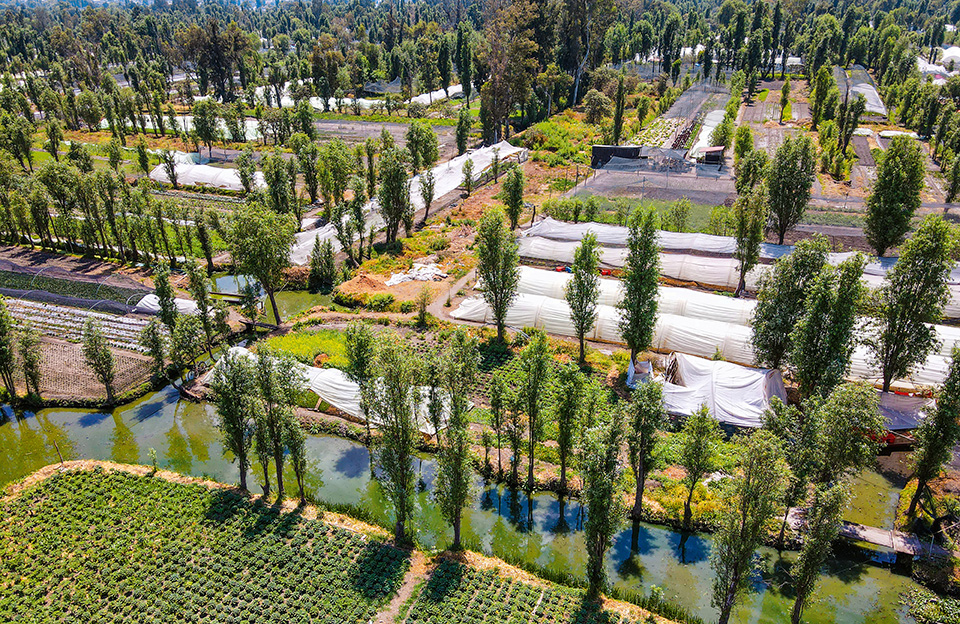
This synthesis represents perhaps her most important contribution: proving that ancestral wisdom and contemporary innovation need not be in opposition. She works with 60 communities across her two books, each with their own sophisticated water management systems refined over centuries of observation and care. Bangladesh's floating farms rise with monsoons. Mexico's chinampas create abundance in water. Thailand's terraced rooftops feed cities while managing climate. China's Sponge Cities absorb rainfall like living systems. Micronesia's tidal traps work without electricity or depletion.
What weaves through all these diverse projects, across different continents and cultures, is a shared understanding about what design means: working with natural systems rather than against them, creating solutions that regenerate rather than extract, developing technologies grounded in principles that remain eternally relevant.
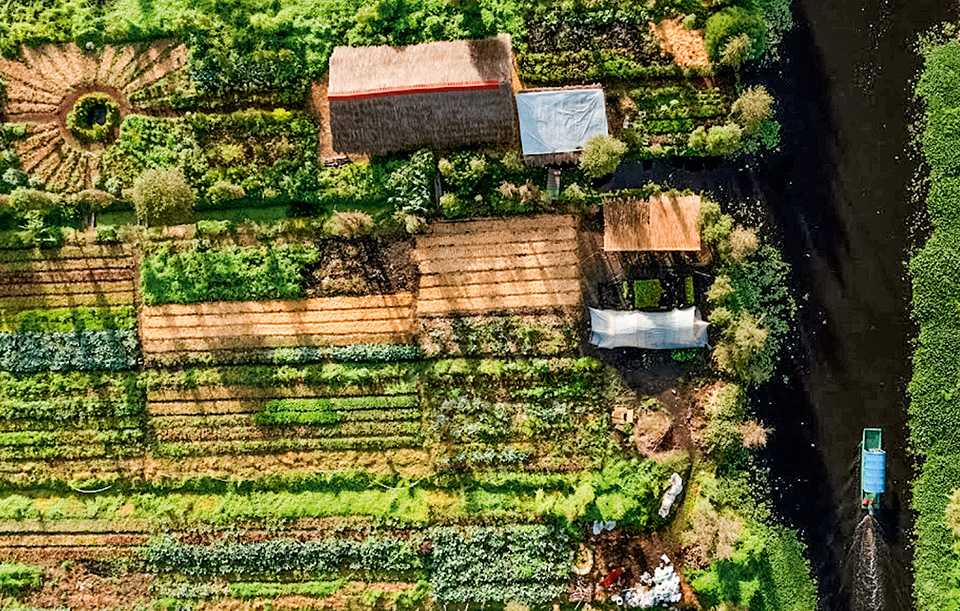
Floating gardens in the Mekong Delta — arable land created within the seasonal pulse of water rather than against it.
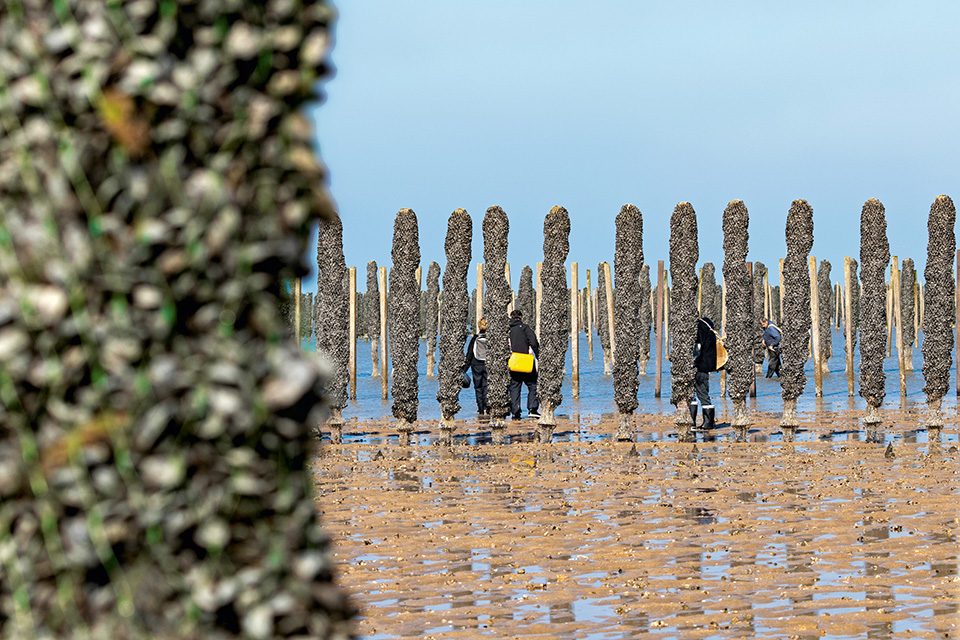
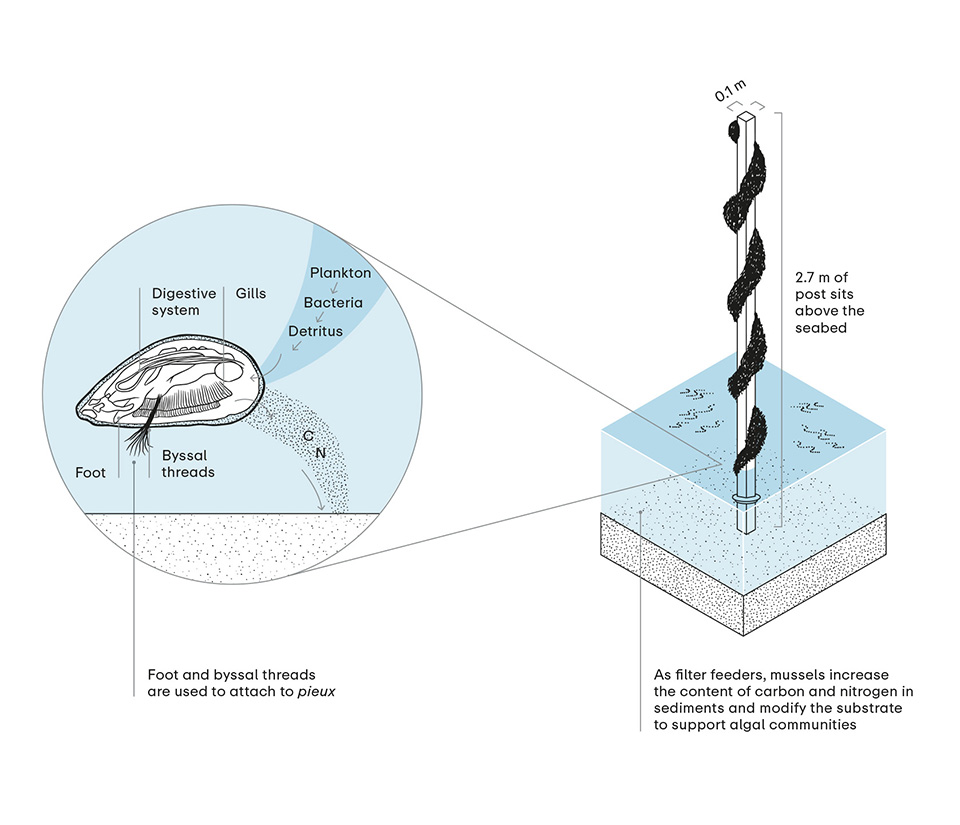
Bouchot mussel poles in the tidal flats of Brittany — an ancient aquaculture technique that continues to feed communities today.

Oyster beds stretching to the horizon at low tide — infrastructure that emerges from and disappears back into the sea with the tide.
Twenty-Five Years to Reshape the Future
What lends urgency to Watson's work is not abstract climate anxiety but concrete urban reality. The numbers are sobering and undeniable, grounded in the material facts of how cities are actually being built and will be built in the coming years.
"We know that 11 cities the size of London, with 9.8 million people, will be built every year for the next 25 years," Watson says. "That's 275 cities. We know that city building and all the systems and the watersheds and food sheds and resource sheds related to running a single city have an incredible impact. So we have a choice. Either we keep replicating that extractive model or we move to a regenerative model."
This is why she created the 10 principles for a Lo-TEK city, a framework that could guide urban development in Asia, the Americas, Oceania, or Africa. It represents her 20 years of practice distilled into an actionable philosophy, one that takes regenerative design thinking, Indigenous mindsets, and social environmental equity and integrates them into how cities are actually built.
"I want to come back in five years and say we're starting to see spaces and places where we are creating incredible cities, dense urban centers that people want to go to because they're regenerative, they are beautiful, they have incredible experiences, and they embody the culture and the environment," she shares. "They honor and celebrate the place and space, the river systems, the wetlands, the coastal shorelines. That's where all my energy is at the moment."
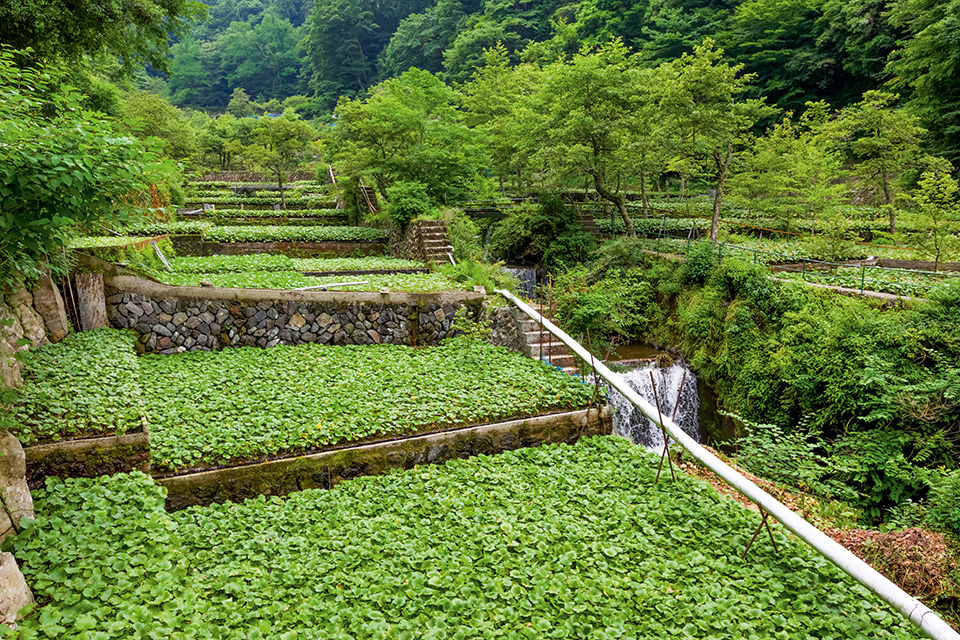
Wasabi terraces in Japan — a centuries-old cascading water system that filters and cools mountain streams as it grows a crop.
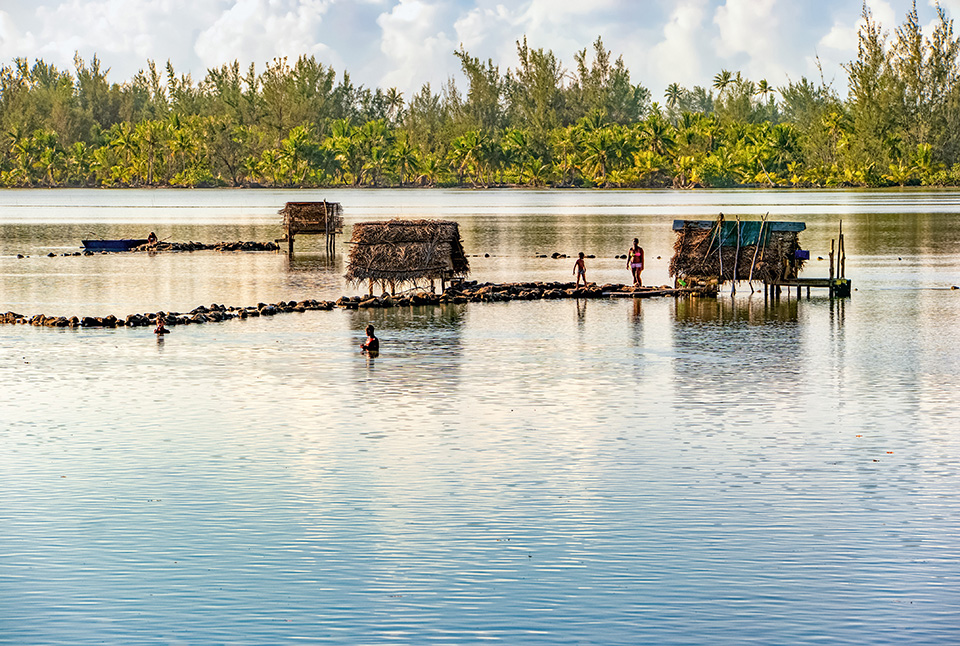
Traditional tidal fish traps built from stone and thatch — passive, low-impact infrastructure that has fed communities for generations.

A restored coastal stone weir seen from above — engineering that works with the tide rather than against it.
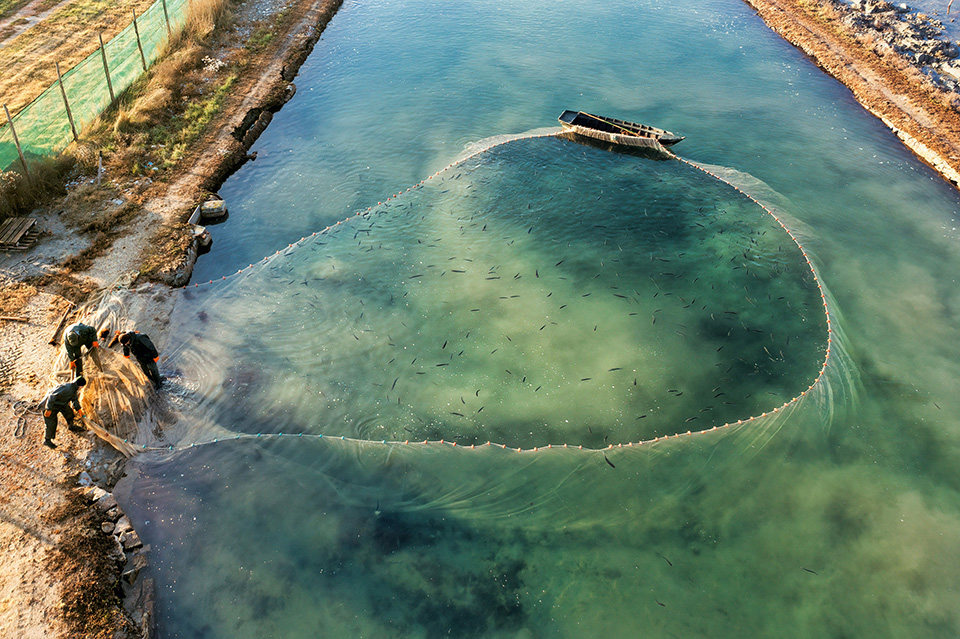
A hand-tended fishpond — aquaculture as citizen-scale infrastructure, not industry.
What Regenerative Leadership Requires
The question of what qualities regenerative leaders need to embody takes us into terrain that goes far deeper than design strategy. It moves into how we understand ourselves and our relationship to the world, our communities, our work.
"Within the curriculums we design at the Lo-TEK Institute, there's a whole section around what we call identity. We're trying to foster conversations about who am I, why am I here, and what am I here to do. It's this whole rehumanizing of the way we interact in our workplace, with our environments, with the people around us," Watson explains. "We explore 10 different words from an Indigenous mindset: reciprocity, kinship, honor. In the context of leadership, what do these mean? What are these relationships based on? How do we model healthy dynamics related to that?"
Her work through the Lo-TEK Institute reflects this commitment to transformation at its foundation. She is deliberately focused on bringing ancestral traditional ecological knowledge into STEM education, creating curriculums that are now taught in high schools, colleges, and professional development programs across four continents. This is not a boutique initiative but a movement gaining momentum.
"Our mission is to build planetary literacy and leadership," she says. "We want the next generation to have a foundational understanding around climate issues, but that understanding cannot be shaped by the knowledge systems and power dynamics that created the extractive, destructive relationships we find ourselves within today. By looking through an Indigenous mindset, influenced by communities with very close relationships to their environments, we create a very new path forward for education."
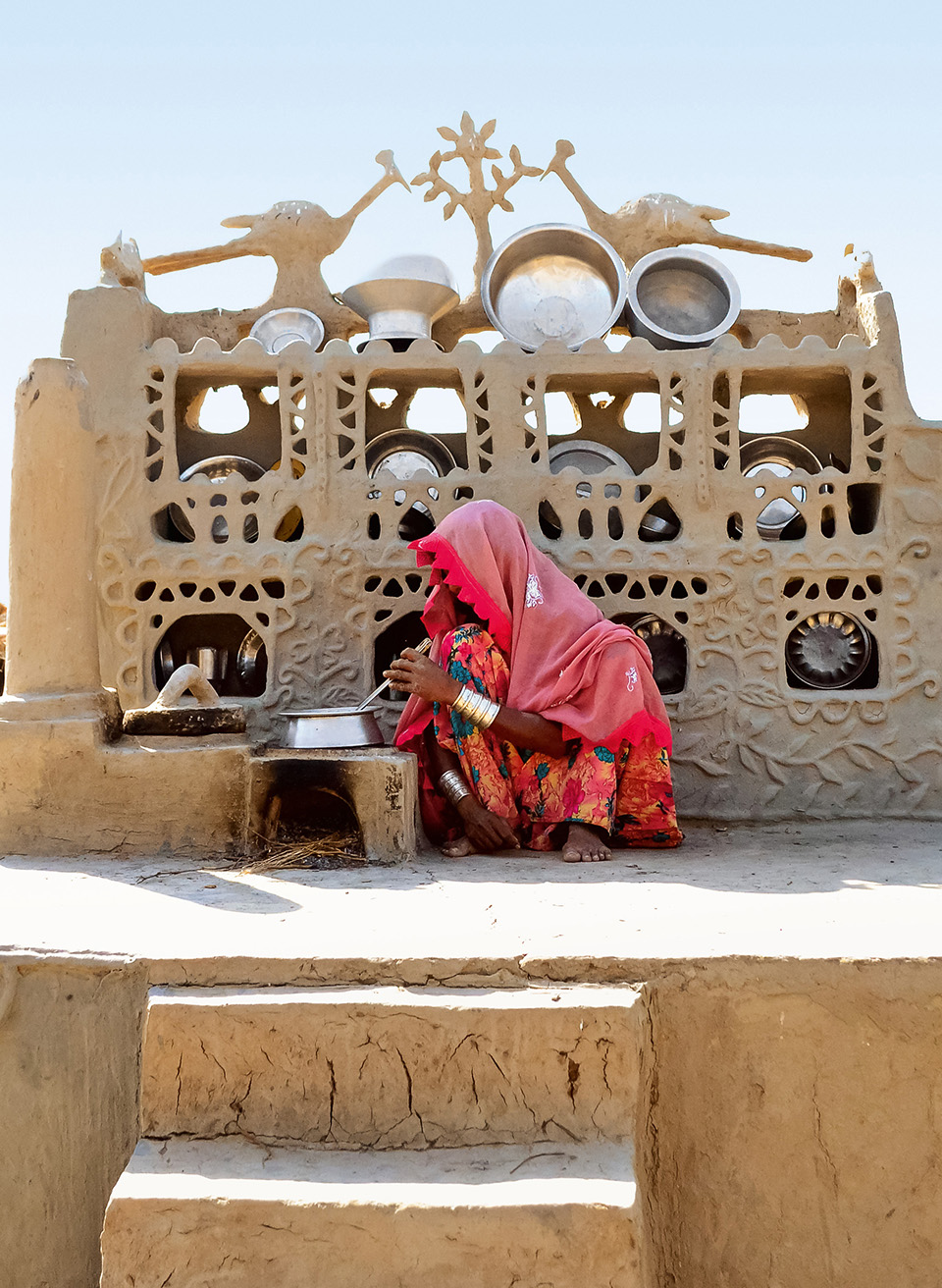
The Power and Peril of Tourism in Sacred Places
One of the most poignant aspects of Watson's work concerns the fate of places like Bali, where sacred technologies refined over thousands of years are being erased by tourism and development models that treat culture as commodity and progress as synonymous with Westernization. Her perspective carries both warning and invitation, a clear-eyed assessment of what is being lost and what could be preserved and regenerated.
"Bali is literally terraformed with incredible nature-based solutions of rice terraces and water temples, with an incredible geospatial, cosmological system thousands of years old that guides development. But there's this rush to modernize and achieve progress using a Western model. It doesn't have to be," she explains. "Those universal ways to solve problems are not responsive to place and don't understand the social fabric of people. They're destructive not only environmentally but in how families, governments, and communities end up being disassociated. The fabric of relationships ruptures."
Yet Watson sees tremendous potential in reimagining tourism itself. She believes that places featured in her books represent technologies that travelers can learn from, not just experience as aesthetic backdrop. This shift in perspective transforms what travel means and what value tourists bring to communities.
"When I wrote Lo-TEK, most people would recognize spaces in my book because they've traveled there. I would say, you traveled to one of the most sophisticated, environmentally-based thousand-to-two-thousand-year-old technologies that still exist on this planet. And they'd say, oh, I thought I was just there to look at people who dress in a unique way," she shares. "The tourism industry has incredible potential to understand that going to a place and looking at it as a technology has power for educating tourists, protecting the community from climatic events, and investing in local economies. My hope is that responsible regenerative tourism starts to look at these places and helps invest in those communities so people can have deep cultural experiences that expand their understanding of planetary literacy."
The Next Chapter
Looking toward the next five years, something luminous moves through Watson's articulation of her vision for the Lo-TEK Institute. This is the dream that sustains and animates her work, what she carries with her into the complexity of scaling transformation across continents and cultures.
"Right now we're in schools in four continents. My dream is that every single high school student across the world learns about the intelligence and sophistication of technologies in their countries so there's a shift from idolization of Western understanding of technology to a much more holistic, global understanding. But the real dream is that the Lo-TEK Institute is funded and we make this education free for anybody in the world," she says. "That the time and effort we've spent creating these curriculums and decolonizing education is free for everybody."
Yet even in articulating this dream, she emphasizes that the work must be guided by Indigenous communities themselves, that the power must remain with those who hold the knowledge.
"I would love to see empowerment of Indigenous-led knowledge centers around the world receiving funding so communities can teach their knowledge the way they want to teach it. The power needs to stay with the community," she says. "The best person to teach these technologies and ways of knowing is the community itself. That's where true partnership begins."
Learning to Listen Again
At its essence, Julia Watson's vision rests on a profound respect for the intelligence embedded in natural systems. Water flows downhill. It seeks equilibrium and balance. It teaches, if we are patient enough to listen. For thousands of years, Indigenous peoples across the world have learned to work in concert with water's essential nature rather than in opposition to it. They have built civilizations that did not merely survive but genuinely thrived.
Our historical moment demands nothing less than learning to attune ourselves again to the intelligence of the systems that sustain us. The climate crisis is, at its root, a crisis of disconnection. Disconnection from ecosystems, from the cycles of seasons, from communities whose knowledge we have systematically silenced. The solution does not emerge primarily from technological innovation, though innovation matters. It emerges from commitment to paying attention, to listening deeply, to recognizing that the most sophisticated technologies for living sustainably already exist, waiting to be learned from and scaled according to genuine partnership and respect.
Julia Watson's work creates the conditions for this learning to become possible. Her field guide offers permission and pathways for a fundamental reorientation of how we imagine our futures. Toward cities that work with natural systems. Toward design that regenerates. Toward travel and planning and building that honors the wisdom of those who came before and creates space for those who will come after.
The future we need does not await invention. It awaits our willingness to learn.
About the Book
Lo-TEK: Water. A Field Guide for TEKnology by Julia Watson, co-authored with Indigenous knowledge-keepers and with a foreword by Dr. Lyla June Johnson (Diné/Tsétséhéstáhese), is published by Taschen. Hardcover, Swiss binding, 558 pages. EUR 40 / USD 50 / GBP 40 / HKD 500. ISBN 978-3-8365-9444-8 (English).
About Julia Watson
Julia Watson is an Australian-born designer, educator, author, TED speaker, and radical thought leader of Greco-Egyptian-English heritage. She is renowned for championing climate-resilient design through ancestral technologies and for demonstrating that sustainability truly begins when we center the wisdom of communities that have been solving these problems for generations.
She is the co-author of Lo-TEK: Design by Radical Indigenism and Lo-TEK: Water with Indigenous experts and knowledge-keepers. She co-founded the Lo-TEK Institute and the Lo-TEK Office for Intercultural Urbanism, both intentionally structured as deep collaborations between Indigenous and non-Indigenous designers and scientists.
A lecturer at Harvard and Columbia Universities, Watson has collaborated with global organizations including NIKE, LEGO, Gensler, and Buro Happold. She spearheads the global Lo-TEK movement and continues to demonstrate that sustainability emerges from a willingness to learn from and honor the ancestral wisdom that communities have carried and refined through centuries. Her work bridges past and future, technology and ecology, proving that the solutions to our most pressing challenges already exist within communities ready to share them with those who approach with genuine respect.
Written by Amanda Ho, Co-Founder and CEO of Regenerative Travel.
Where to stay
Suggested regenerative hotels

Continue the journey
Curated itineraries
Keep reading
More from the magazine
Asia
The Asia Issue: How Heritage and Regeneration Meet
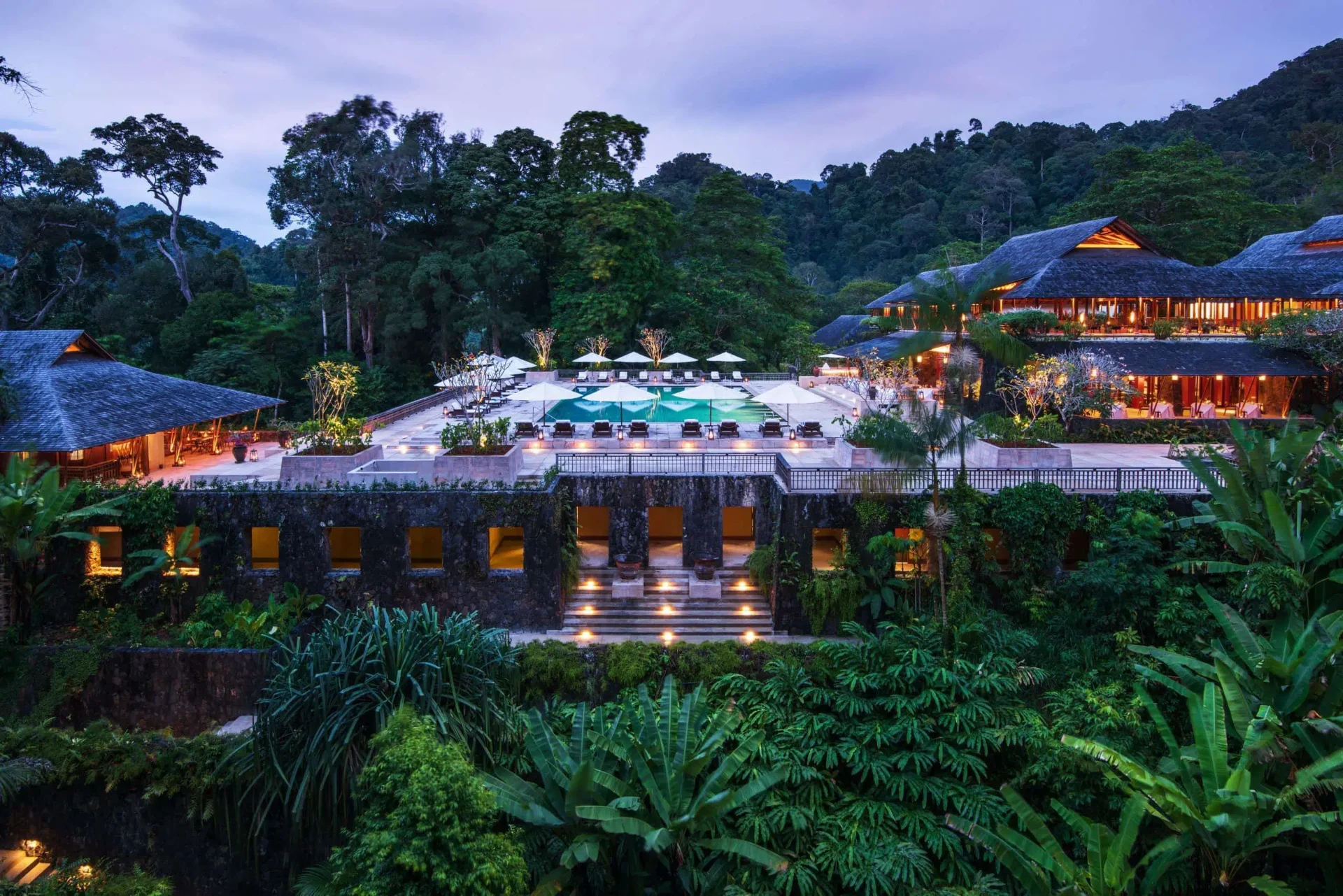
From the Himalayas to the Ganges to the rainforests of Langkawi — how member properties across Asia express regeneration as a centuries-old practice.
Mountains
Mountain Retreats in Reverence to the Earth and Climate
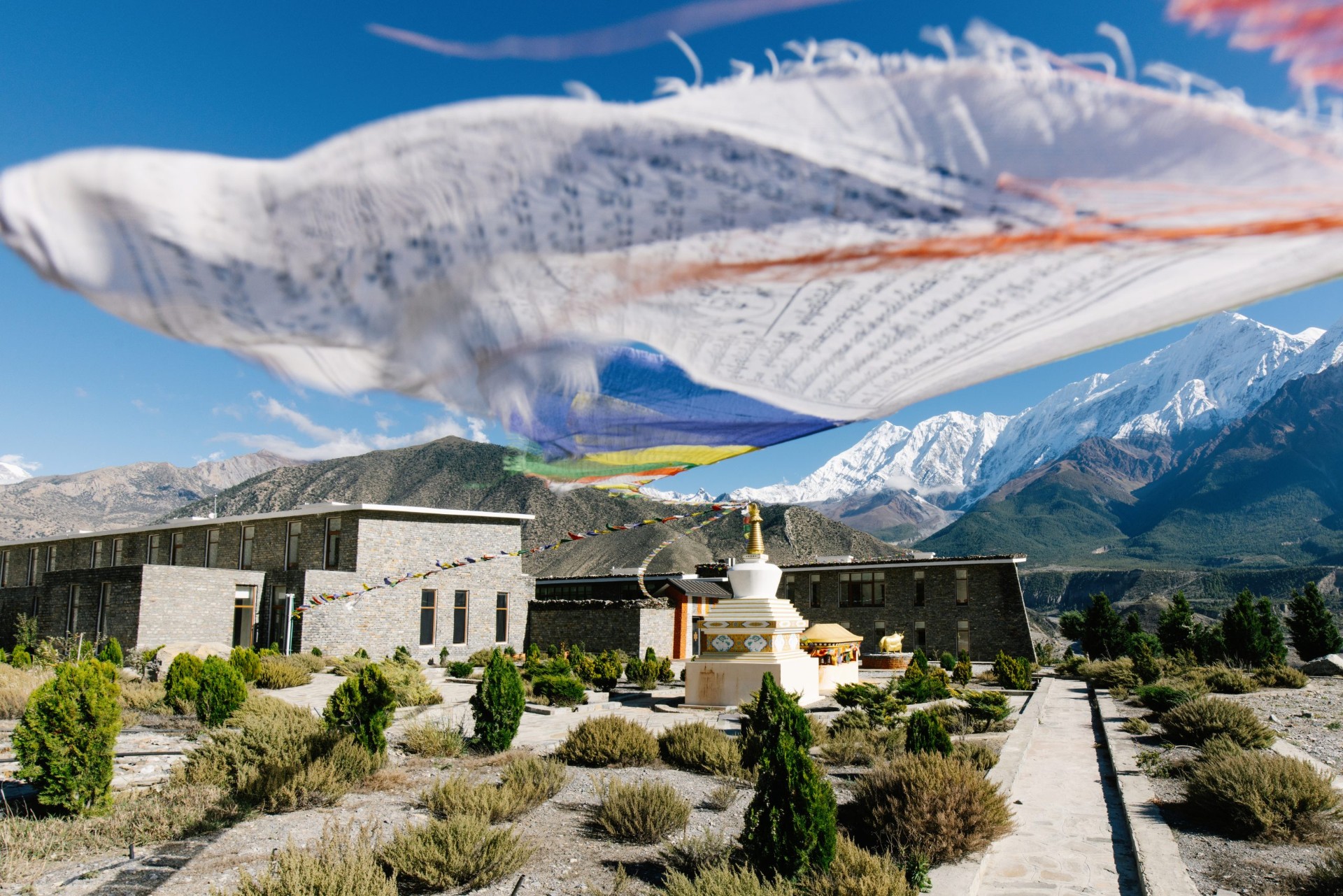
From Mustang to the Atlas to Nubra — how a new generation of mountain lodges is building lightly, listening first, and letting culture and ecology lead.