What would you like to discover?
Ask about our member hotels, travel designers, magazine stories, events and membership.

Taíba
Where Wind, Waves, and Community Shape an Authentic Paradise
On Brazil's northern coast, Taíba is rewriting what it means to live in harmony with nature. Between rolling dunes and turquoise waters, this fishing village has evolved into a global destination for wind sports and regenerative tourism — without losing its small-town soul.
When Vanessa first set foot in Taíba, her goal was not to build a business but to build a life. She and her husband, Luciano, were living in bustling Fortaleza, just 75 kilometers away, when they bought a modest weekend house in this fishing village on Ceará's northern coast. What began as a weekend escape soon grew into something deeper.
"We loved the place so much that, 13 years ago, we decided to move here for good," Vanessa recalls. What captured them was not only the natural beauty but the warmth of the community: a safe village where everyone knows one another, where the baker keeps an open tab, and fishermen deliver fresh catch twice a week, staying for coffee and conversation. "It feels like the countryside of the good old days — life is simple, meaningful, and full of quality," she says.
This simplicity is Taíba's greatest charm. Just over an hour from Fortaleza's international airport, the village offers pale sandy beaches, warm turquoise waters, rolling dunes, and natural pools. The steady winds that sweep across the coastline are the village's lifeblood, making Taíba one of the world's most recognized hubs for wind sports.
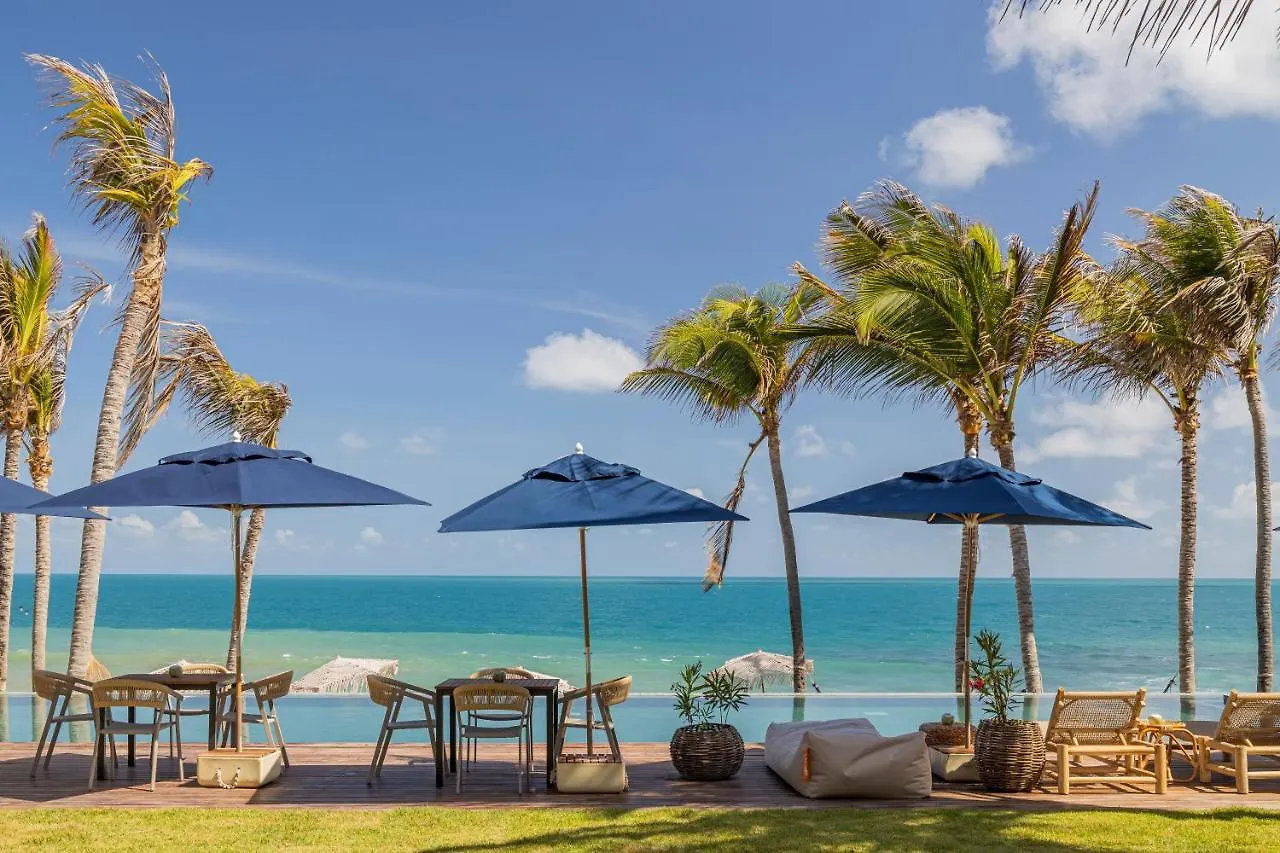
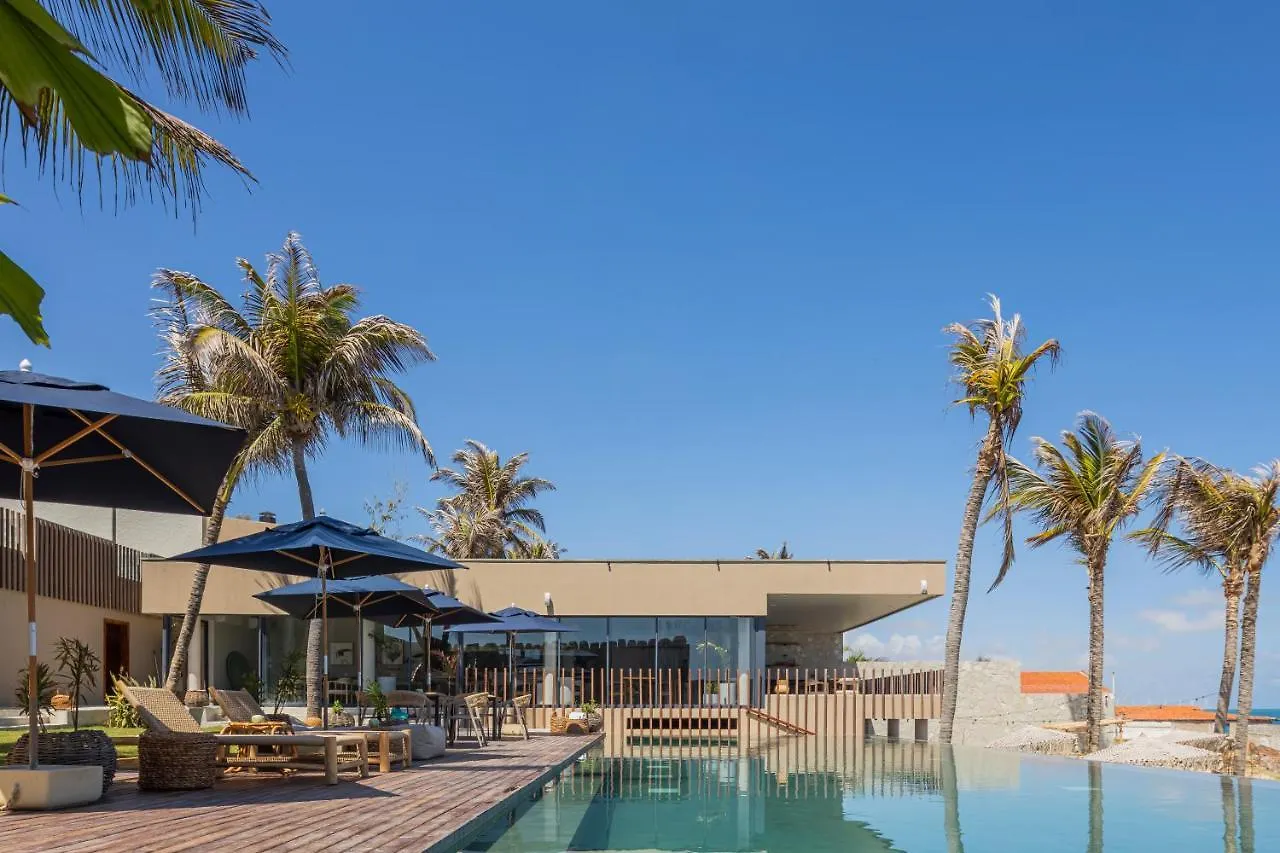
A Global Stage for Wind Sports
From August to December, the coastline becomes a magnet for kitesurfers worldwide
From August to December, Taíba becomes a magnet for kitesurfers and surfers worldwide. Strong, consistent winds and balmy waters create some of the best conditions on the planet. Athletes of every level gather here, drawn to both the challenge of the ocean waves and the calm of the lagoons.
"Sports are a gateway. They attract athletes, but they also introduce visitors to our culture, gastronomy, and way of life."
— Vanessa, Founder of Saline Taíba
This year, Taíba hosted the Duotone season opening at Saline, alongside other headline events like the Taíba Wave Camp and the Kite & Wing Girls Experience — each showcasing how seamlessly sports, hospitality, and community converge here.
But the energy in Taíba is not only in the air; it is felt in the rhythm of life. Children learn to surf on boards made by local carpenters. Kite instructors teach newcomers while sea turtles nest quietly along the shore. Beach bars pulse with forró music, and vendors sell chilled coconut water beneath the palms. It is a village where adventure and tranquility coexist naturally.
Accessibility further strengthens Taíba's allure. Fortaleza International Airport connects directly to Lisbon, Paris, Madrid, Amsterdam, Miami, Buenos Aires, and Santiago, making this remote-feeling village within reach of global travelers. Yet despite the international arrivals, Taíba retains its pace and humility. Visitors find themselves part of a rhythm that resists rush, guided instead by the tide and the trade winds.
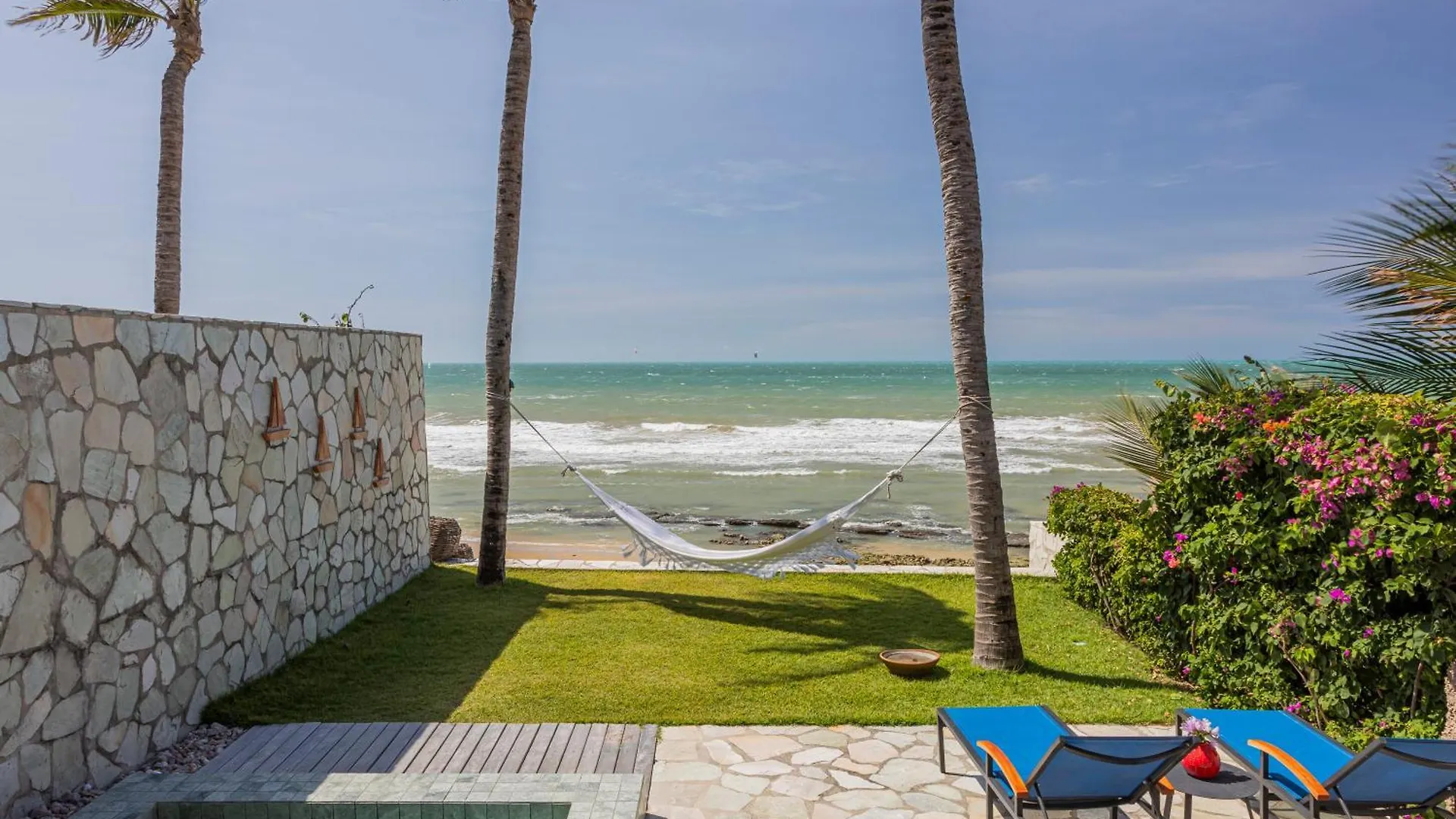
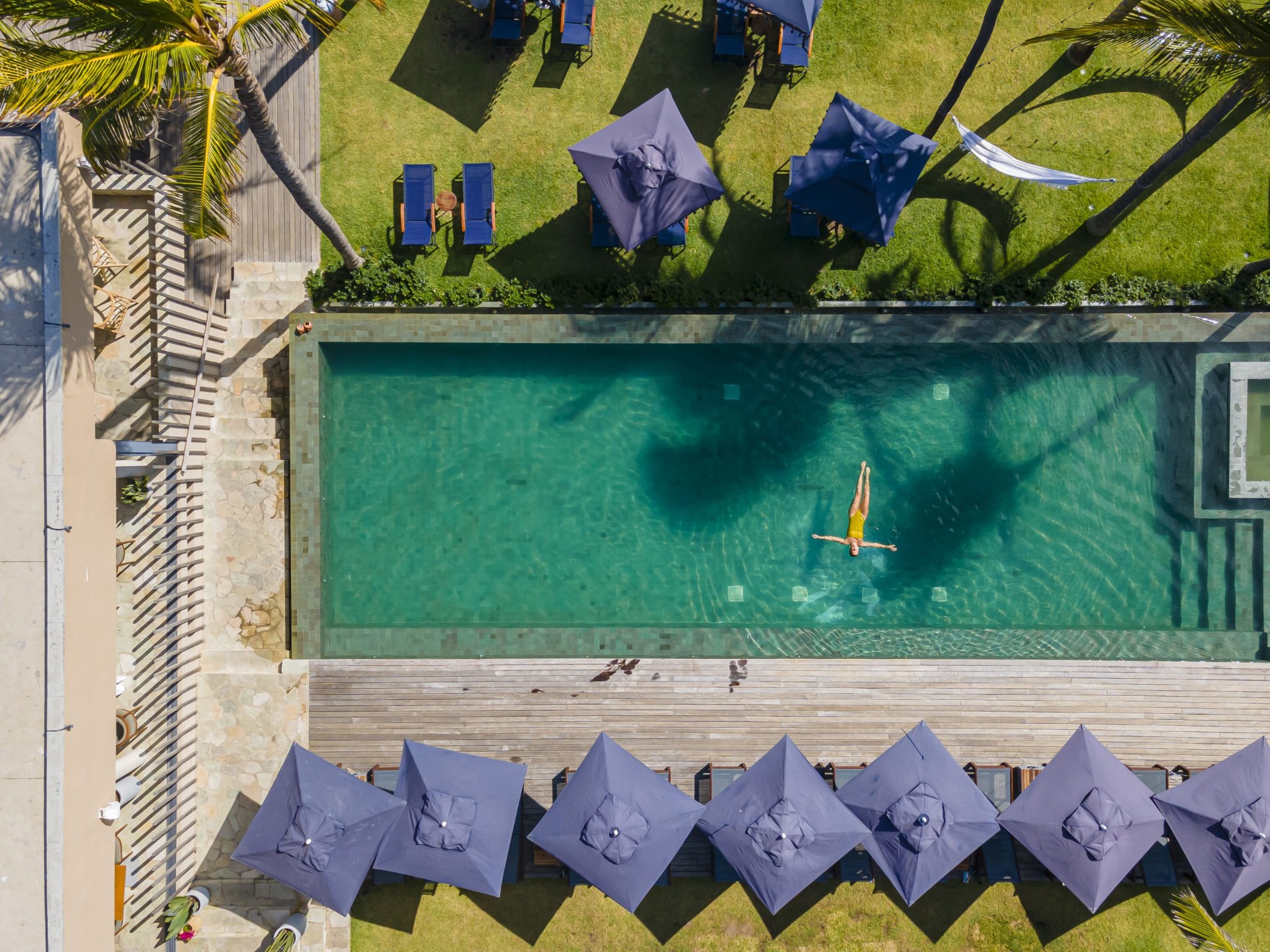
The Flavors of the Coast
Days flow from buggy rides to lagoons to fiery sunsets — anchored by the table
While the winds may lure visitors, Taíba's soul is most vividly expressed at the table. Days flow from buggy rides over dunes to swims in crystalline lagoons, ending with fiery sunsets over the sea. Yet the culinary traditions remain the true anchor.
Among them is Assado de Peixe, a fish roasted over dried coconut husks, wrapped in banana leaves, and served with tapioca. In 2024, it was recognized as Intangible Cultural Heritage of Ceará — a testament to the power of food as a cultural bridge.
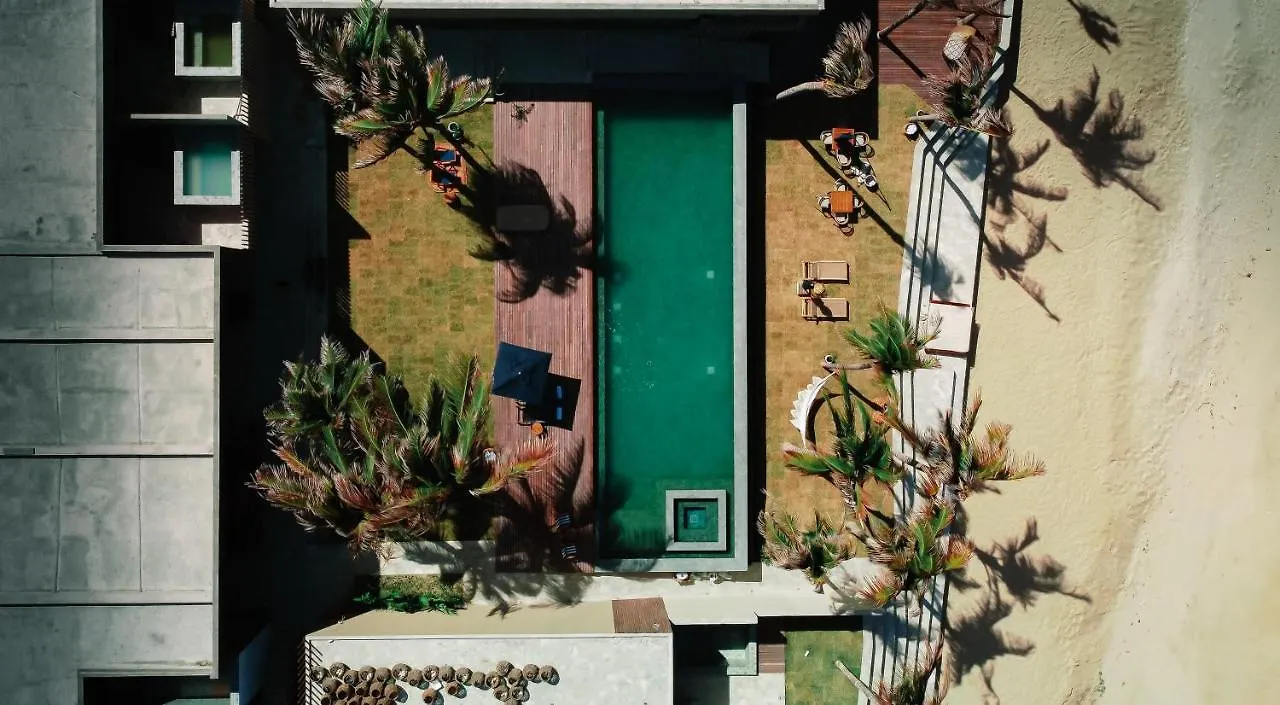
At Saline Taíba, Vanessa's boutique beachfront hotel, cuisine celebrates local ingredients and seasonal simplicity. The restaurant's menu shifts with the fishermen's catch: grilled robalo, shrimp moqueca, or cashew fruit ceviche. Cassava, coconut milk, and tropical fruits appear in both traditional and inventive ways. Guests are invited to taste not just dishes but stories — the history of Ceará told through recipes that have passed through generations.
Even the cocktails carry a sense of place. A blend of cachaça, lime, and local honey evokes the sweetness of the tropics, while non-alcoholic infusions of mint, passion fruit, and hibiscus reflect Taíba's vibrant natural palette. These details matter, because for Vanessa, hospitality is an extension of belonging. "Our food is a reflection of our land and people," she says. "It is an invitation to slow down and connect."
Preserving the Spirit of Taíba
95% local staff, cooperatives of seamstresses and artisans, and a fully local supply chain
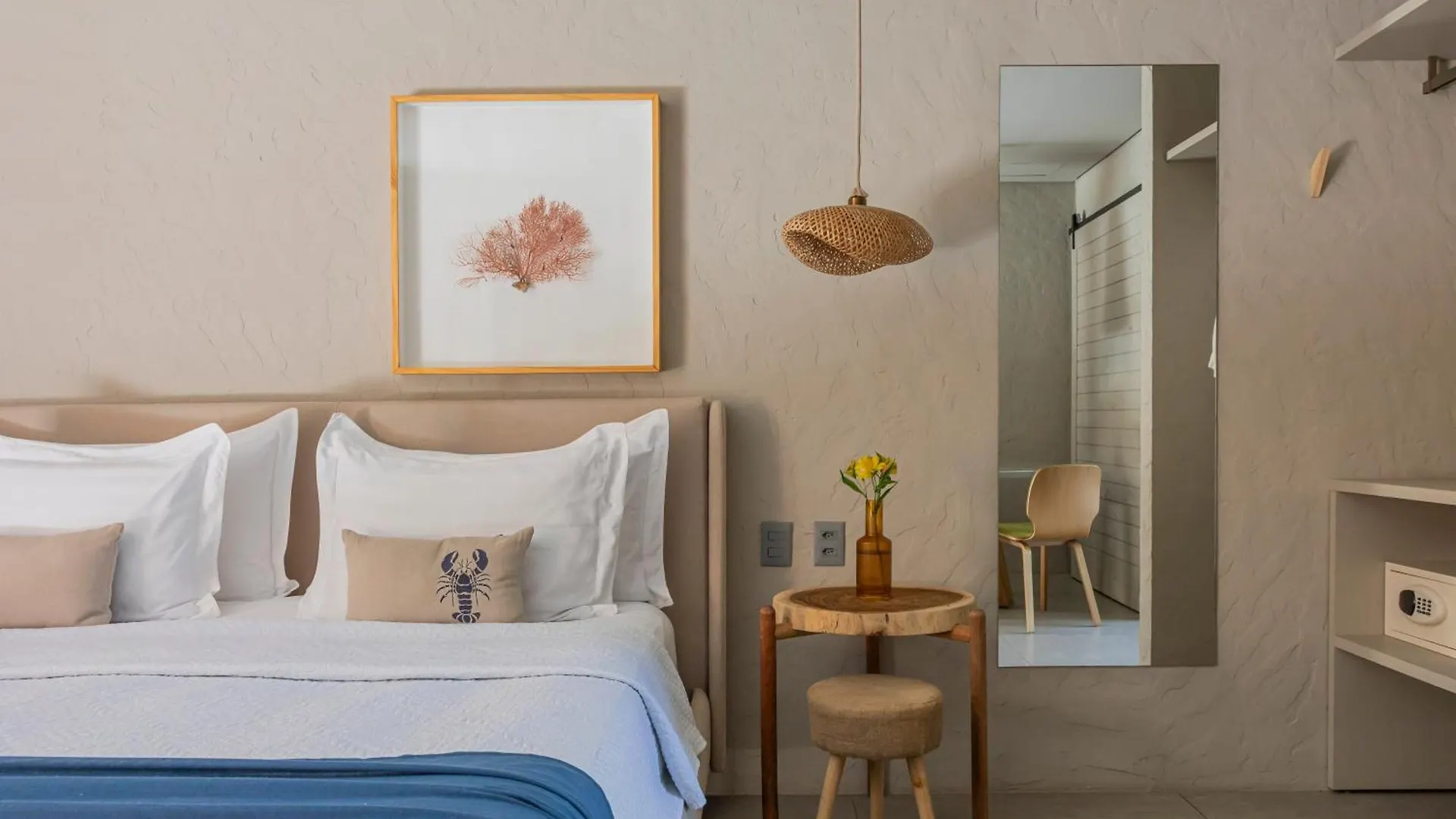
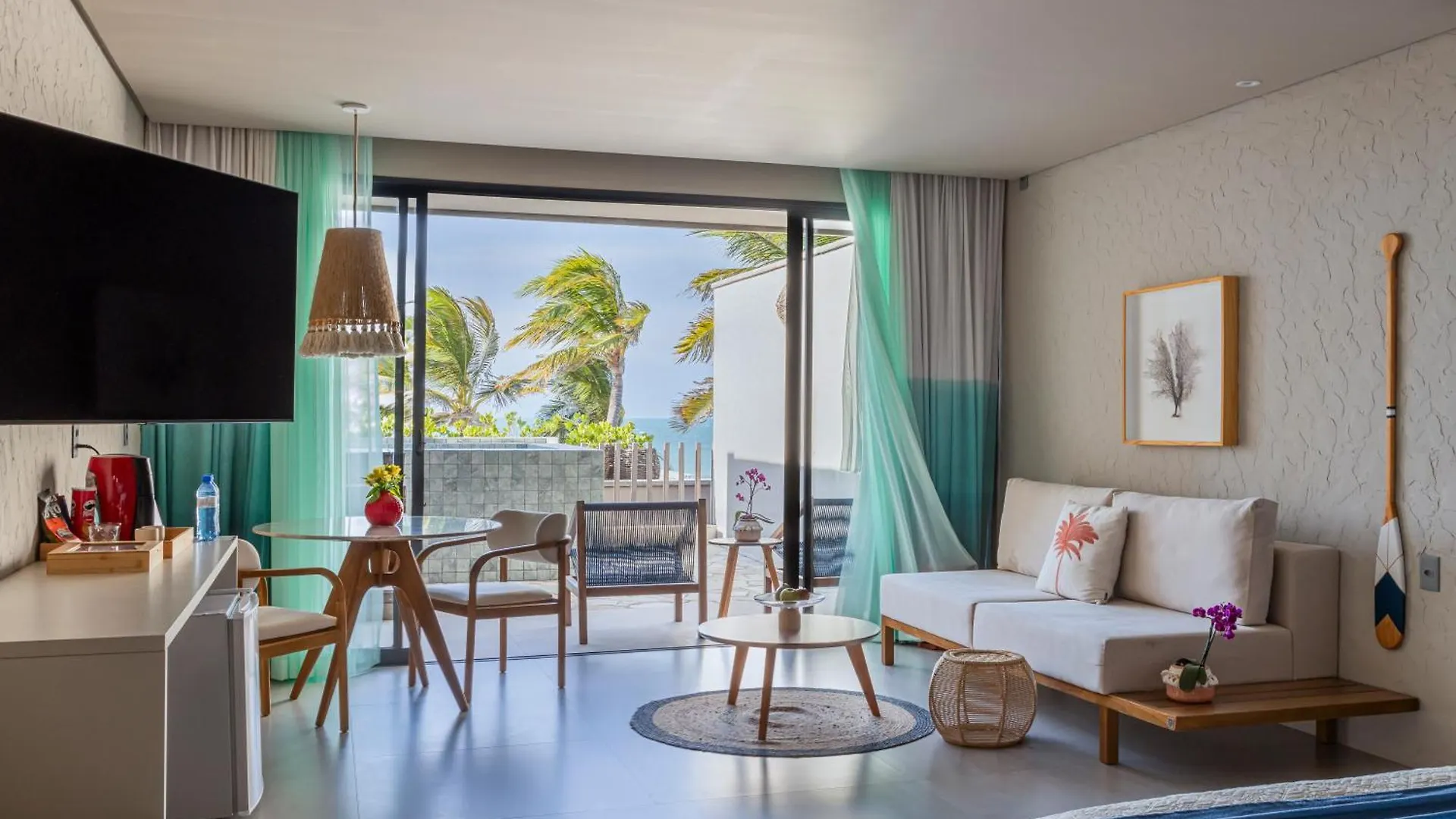
As Taíba grows in prominence, Vanessa remains committed to balance. Ninety-five percent of her hotel's 70-plus staff are local residents. A cooperative of seamstresses produces linens, artisans craft furniture and lighting, and village musicians and actors perform for guests. The restaurant sources from local markets, while kite schools, surf instructors, and buggy drivers form an extended network of collaborators.
"It's about creating opportunities while ensuring tourism strengthens rather than replaces the local economy and culture."
— Vanessa, Founder of Saline Taíba
Sustainability is woven into the daily operations at Saline. Solar panels provide energy, biodegradable amenities reduce plastic waste, and wastewater is treated and reused for irrigation. Landscaping relies on native species that thrive in the coastal climate, restoring biodiversity rather than importing decorative plants.
Guests are encouraged to be conscious travelers. Each stay includes an orientation on local customs and environmental practices — such as avoiding dune driving outside marked paths and respecting nesting zones for sea turtles. Workshops invite visitors to meet artisans or learn regional crafts, while cultural nights showcase the music, theater, and dance traditions of Ceará.
Tourism has reshaped the local economy, but Vanessa and Luciano champion sustainability so Taíba remains authentic for generations. The couple also supports education initiatives, from sponsoring English lessons for children to funding beach clean-up campaigns. Over time, this sense of stewardship has rippled across the community. Neighboring guesthouses and restaurants have adopted similar practices, and Taíba's name is now often mentioned alongside other Brazilian destinations pioneering responsible tourism.
The municipality of São Gonçalo do Amarante, where Taíba is located, has also recognized the importance of preserving its natural heritage. Environmental organizations collaborate with hotels and local authorities to regulate coastal development, protect dunes from erosion, and manage waste responsibly. These initiatives have ensured that Taíba's coastline remains one of the most pristine in northeastern Brazil.
Beyond the Shoreline
Freshwater lagoons, mangrove trails and festivals that welcome visitors as participants
Taíba's charm extends beyond its beaches. Inland, visitors discover freshwater lagoons fringed with cashew trees, trails that weave through mangroves, and hilltop viewpoints where the ocean meets the horizon in sweeping bands of blue. The village center, though modest, hums with life. Fishermen repair nets in the shade while children play soccer on sandy streets. Small cafés serve tapioca pancakes filled with cheese and coconut, and local women sell handmade hammocks in every color.
Cultural life thrives here. Festivals celebrate both Catholic and Afro-Brazilian traditions, honoring saints and sea spirits alike. During Festa de São Pedro, boats are blessed at dawn before setting out to sea, followed by music, food, and dance that last long into the night. Visitors are welcomed as participants, not spectators, encouraged to share in the rituals that keep the community connected.
The slower rhythm of Taíba is its greatest luxury. There are no crowded boardwalks or high-rise hotels, only open horizons and a sense of ease that many travelers spend years chasing. It is a place that rewards presence rather than pace.
A Future Rooted in Community
A blueprint for responsible tourism along Brazil's northeast coast
For Vanessa, the story of Taíba is ultimately a story of home. What began as a personal decision to live closer to nature has become a blueprint for responsible tourism along Brazil's northeast coast. She believes the success of any destination lies not in how many people come, but in how deeply they connect.
Through her leadership, Saline has become more than a hotel; it is a gathering place where guests, locals, and travelers from across the world share experiences that transcend language. Some come to kitesurf, others to rest, yet most leave with a sense that they have glimpsed something rare — a village that has found a way to evolve without losing its essence.
"Taíba is proof that you can grow while staying true to who you are. The secret is to keep the heart of the community at the center of everything."
— Vanessa, Founder of Saline Taíba
Ultimately, Taíba is a story of waves and winds, heritage and hospitality, and a community that thrives by staying true to its roots. As Vanessa puts it: "We welcome visitors who share our love for nature, who value authenticity, and who respect traditions. That is how Taíba's beauty will endure."
Saline Taíba
A boutique beachfront hotel on Brazil's Ceará coast — where 95% local staffing, native landscaping, solar power and a fully local supply chain make Taíba's fishing-village rhythm the guest experience.
Where to stay
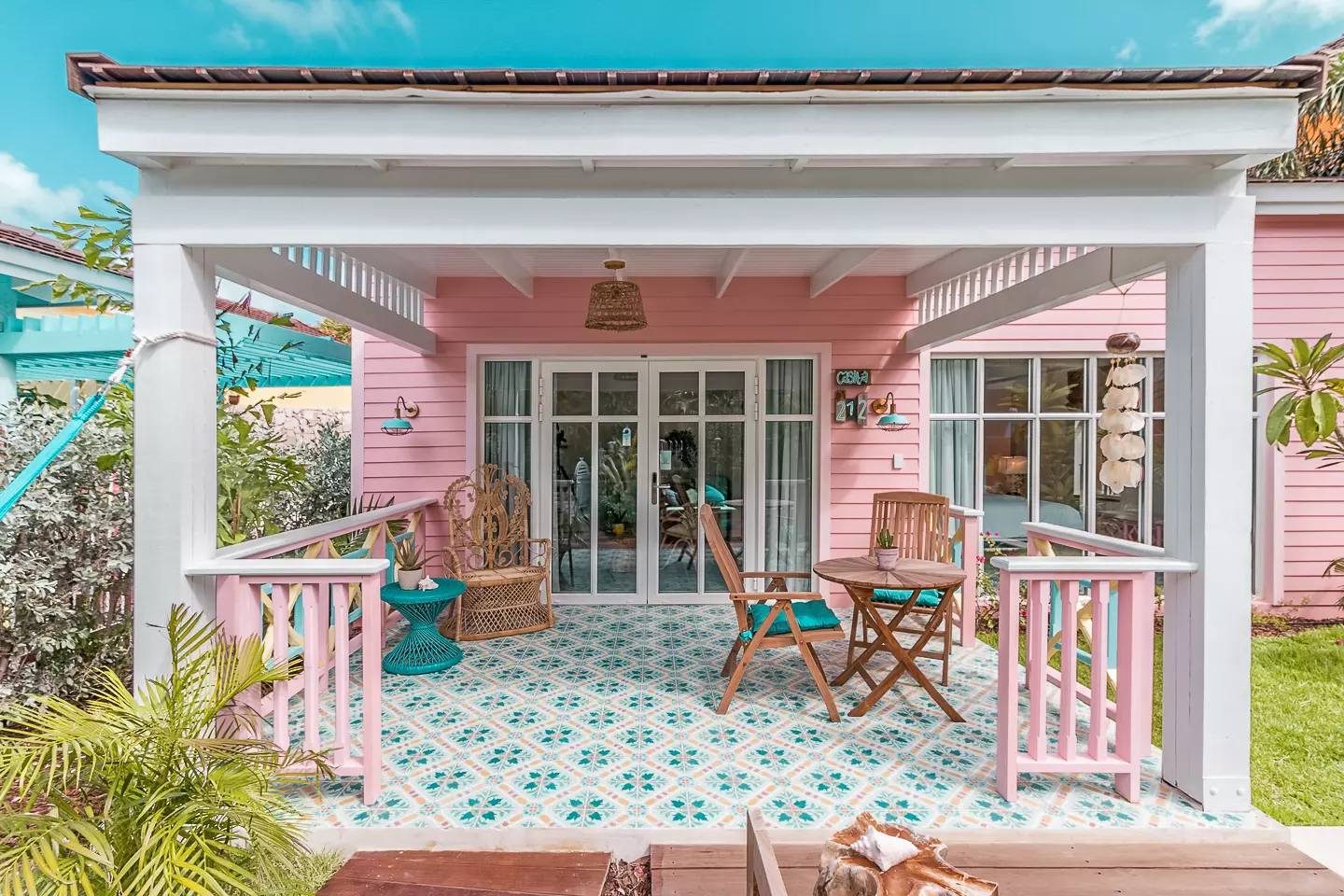
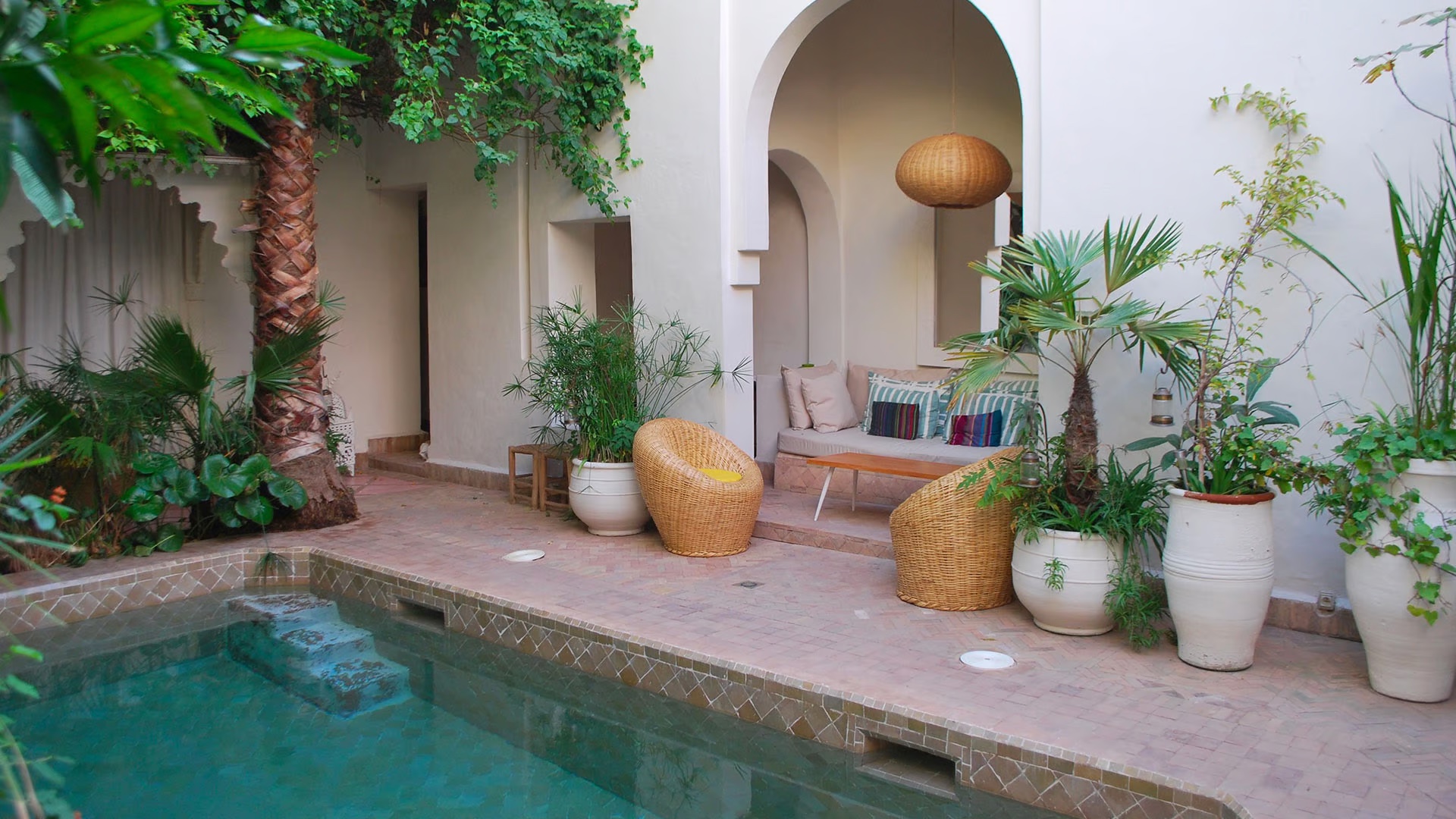
Suggested regenerative hotels
Continue the journey
Curated itineraries
Keep reading
More from the magazine
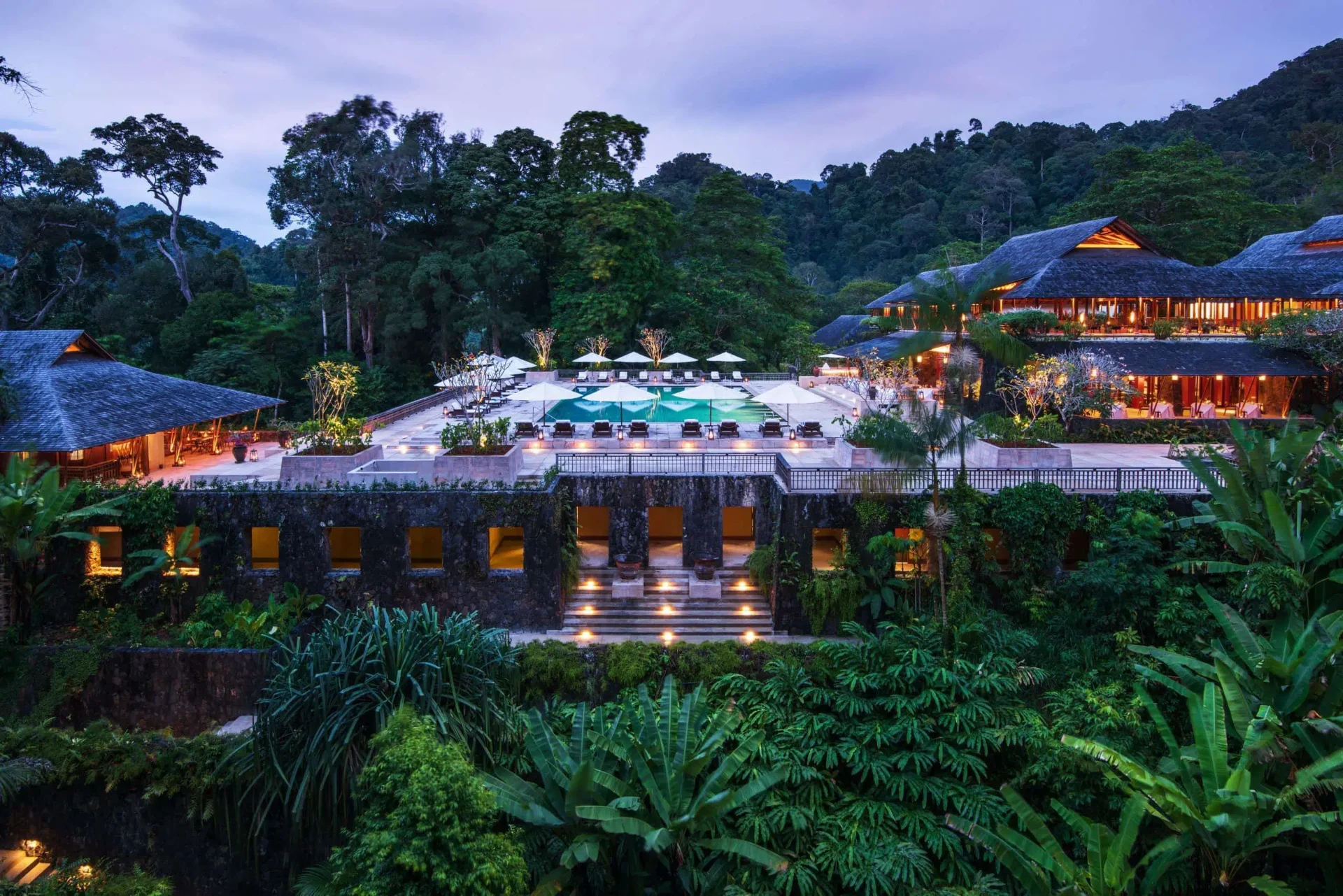
Asia
The Asia Issue: How Heritage and Regeneration Meet
From the Himalayas to the Ganges to the rainforests of Langkawi — how member properties across Asia express regeneration as a centuries-old practice.
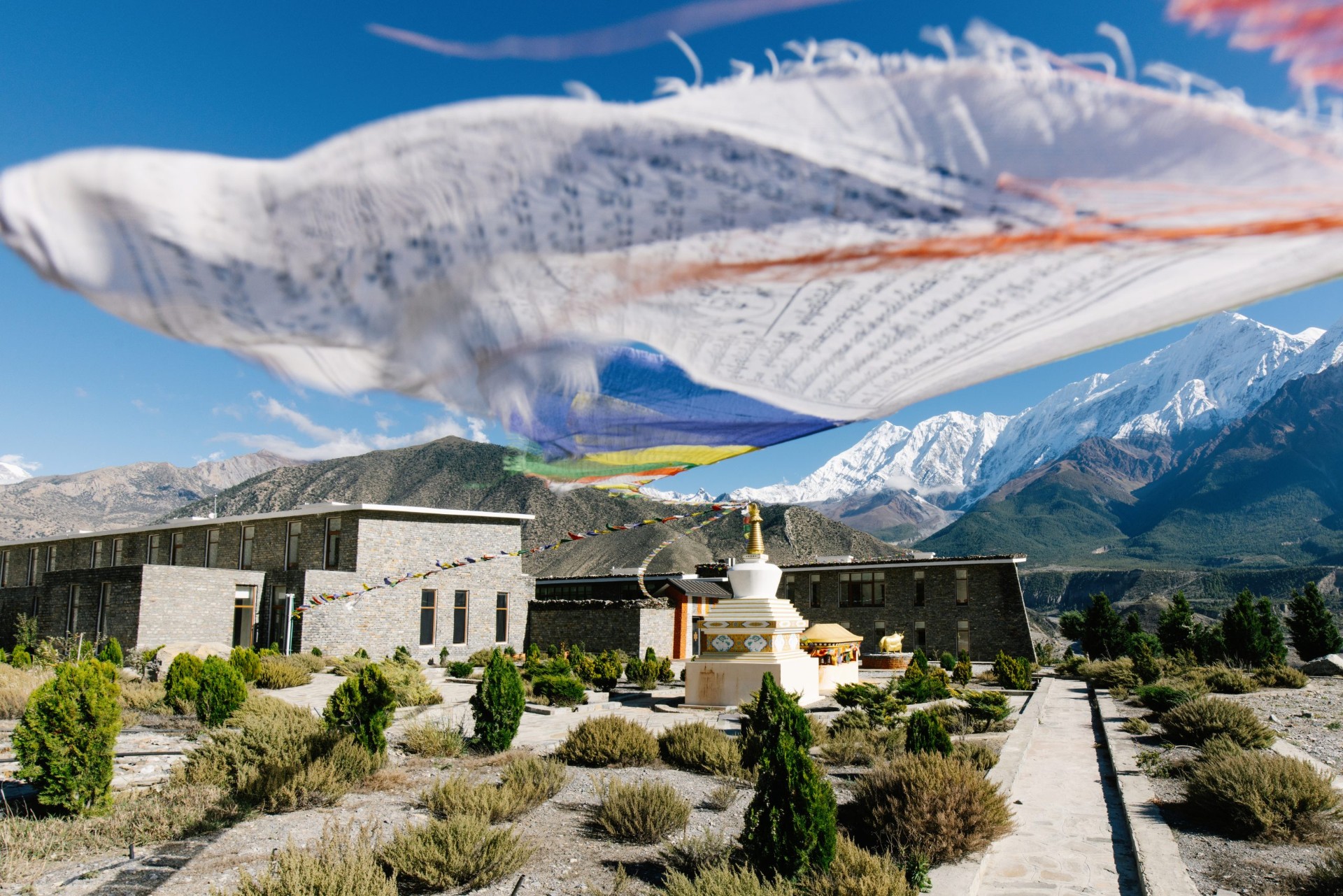
Mountains
Mountain Retreats in Reverence to the Earth and Climate
From Mustang to the Atlas to Nubra — how a new generation of mountain lodges is building lightly, listening first, and letting culture and ecology lead.