What would you like to discover?
Ask about our member hotels, travel designers, magazine stories, events and membership.
The Economy That
Grows BackInside Gross Domestic Regeneration
During the UN General Assembly and New York Climate Week, a new question entered the room. What if we measured an economy by what it restores, rather than by how much it produces?
The question comes from Tenzin Seldon, founder and managing partner of Pulse Fund, and she has given it a name. Gross Domestic Regeneration, or GDR, was formally introduced at a leadership symposium convened by Kunal Sood of AudacityAI, with leaders from climate finance, AI, philanthropy, culture and Indigenous communities in the audience.
For those of us who have spent years arguing that travel should leave places better than it found them, GDR feels like a missing piece. It offers a language for regeneration that finance ministers and fund managers can use.
A glacier, a refugee childhood, a fund
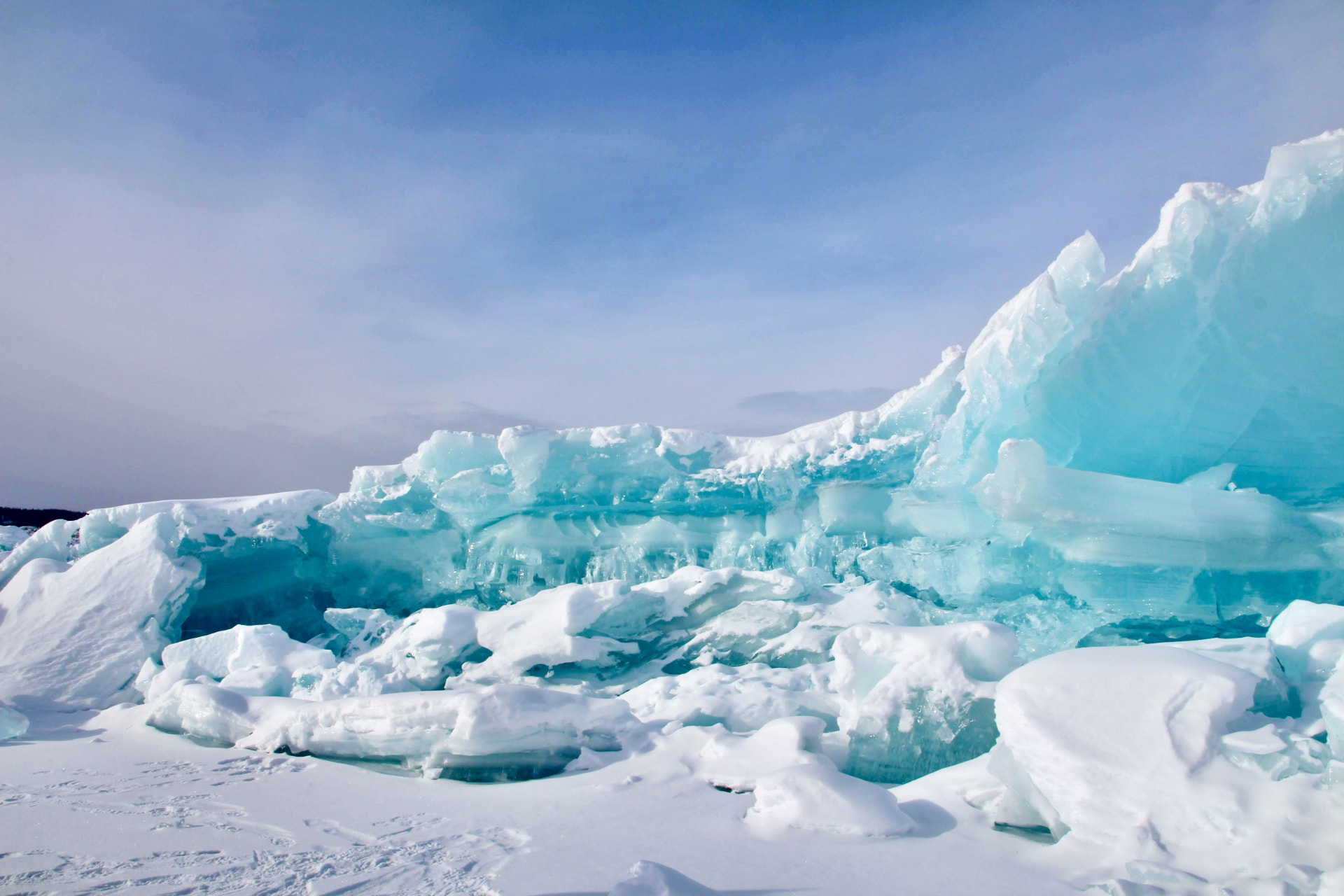
Seldon's idea has deep roots in the Himalayas. As a child she watched a glacier melt, and she has described that moment as the one that set her life toward climate action.
Her path since then reads like several careers stacked together. As one profile traces it, the refugee child became a Rhodes Scholar, then a human rights activist, then a social entrepreneur, then an investor. Today she leads Pulse Fund, which has closed a $63 million fund backing climate solutions, and she has a book on GDR in the works.
That biography matters for how GDR lands. It comes from someone who has lived close to ecological loss and who now sits at the table where capital gets allocated.
The trouble with GDP
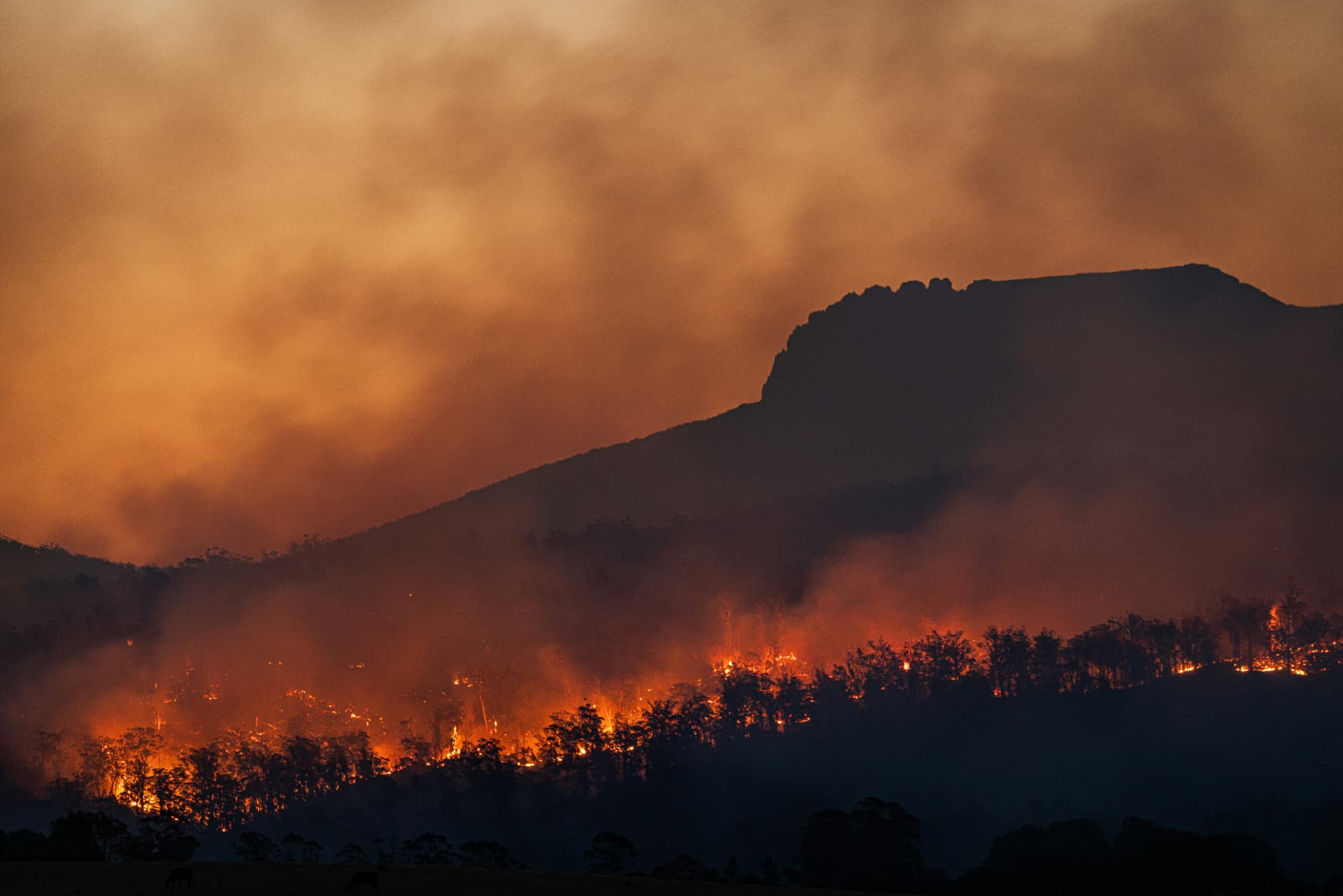
GDP counts activity, and activity is a poor stand-in for wellbeing. In a June essay for Forbes, Seldon points out that the number climbs when a wildfire destroys a city and we rebuild it, when we extract resources, and when pollution sends people to hospital.
Her example is the January 2025 Los Angeles fires, which caused an estimated $95 billion to $164 billion in property and capital losses. Every dollar spent on the rebuild registers as growth. On the national scoreboard, the disaster looks like a stimulus.
The man who designed the measure saw this coming. Simon Kuznets, who built America's national income accounts in the 1930s, warned Congress that a nation's welfare could scarcely be read from national income. The world adopted the number anyway.
“We have built an economy that extracts our future and sells it in the present moment.”
Three kinds of regeneration
GDR measures growth by what is restored rather than what is removed. Seldon tracks three strands of it.
- Ecological regeneration covers the health of natural systems such as soil, water, forests and the atmosphere.
- Social regeneration covers the strength of communities, including trust, local livelihoods and the people who supply a workforce.
- Economic regeneration covers the resilience of livelihoods and whether an economy can absorb shocks without breaking.
The key design choice is that these strands multiply rather than add. Healthy soil steadies a farm's income, and a steady income keeps young people in the village, and a living village looks after its land. When one strand erodes, it drags the others down with it.
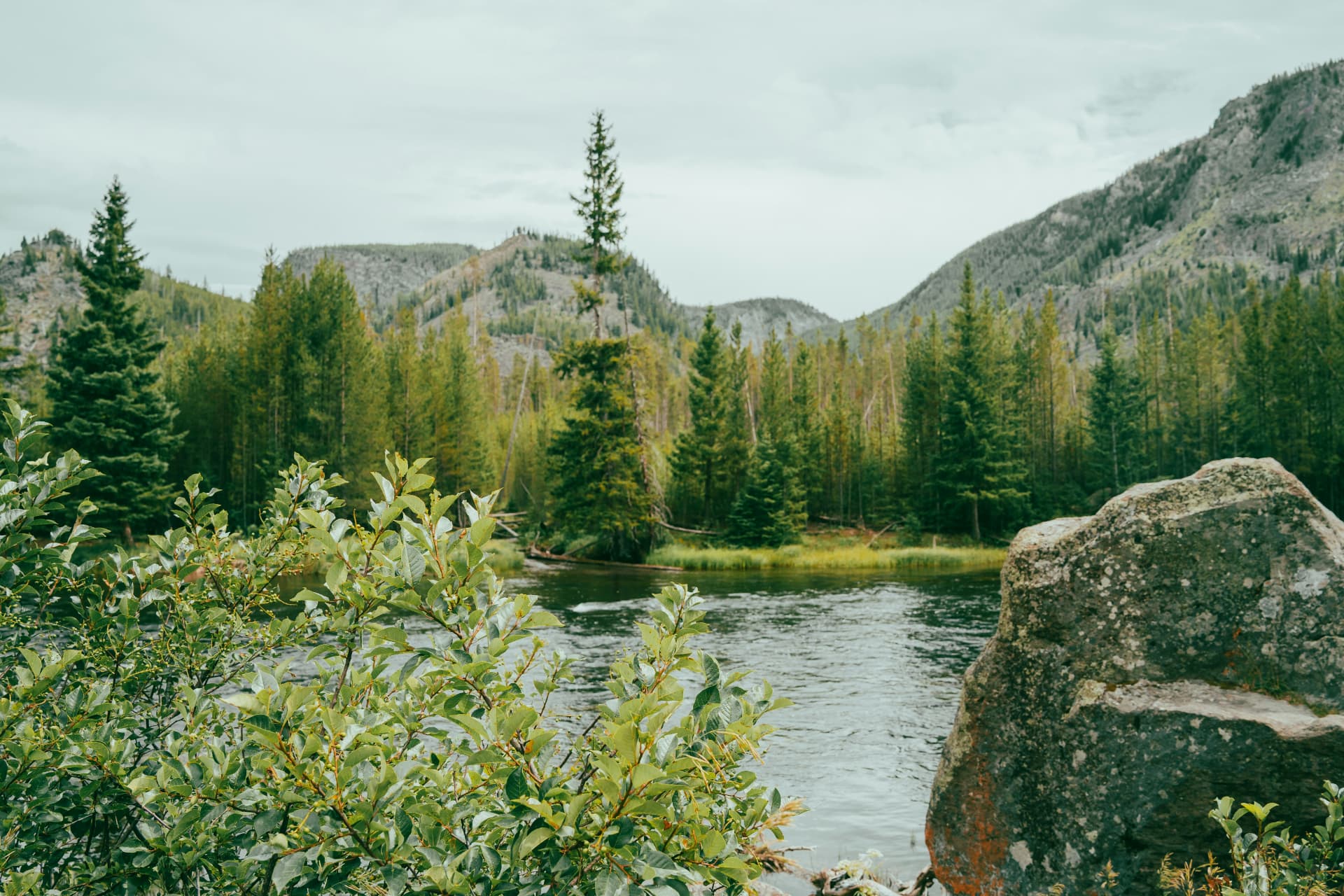
Seldon grounds this in a hard number. A multi-farm study in the US Northern Plains found regenerative cornfields earned more profit than conventional ones despite lower yields. Healthy soil did the work that conventional farms pay for in fertiliser, irrigation and pesticide. Yet soil appears on nobody's balance sheet.
Four questions any business can answer
GDR works today, at the level of a single company, with no need to rewrite national statistics. Seldon uses it as a diligence lens and asks four questions.
- Does the business restore its natural inputs or strip them? Look at resource use per dollar of revenue, how much material cycles back into production, and whether the land and water it touches are getting healthier.
- Does it strengthen the communities it depends on? Retention, local hiring and supplier relationships show whether community trust is growing or being spent down.
- Does it build resilience or fragility? Diversified revenue and well-mapped supply chains let a business ride out disruption.
- What do the insurers say? Premiums reset every year, so insurers are among the fastest readers of system health. Rising costs or retreating cover usually signal that the systems around a business are weakening.
The logic runs in both directions. A company that rebuilds its inputs sees its costs fall over time, while one that depletes them sees costs rise.
What GDR means for travel
Tourism may be the clearest test case for GDR, because the industry lives entirely off the systems GDP ignores. A hotel sells its reef, its forest, its watershed and the culture of the people around it. None of those appear on its balance sheet, and all of them can be spent down for years before the invoice arrives.
Conventional tourism metrics mirror GDP's blind spot. Arrivals, occupancy and revenue per available room all rise with volume, even when that volume is eroding the place travellers came to see. Overtourism is what it looks like when a destination's GDP climbs while its GDR falls.
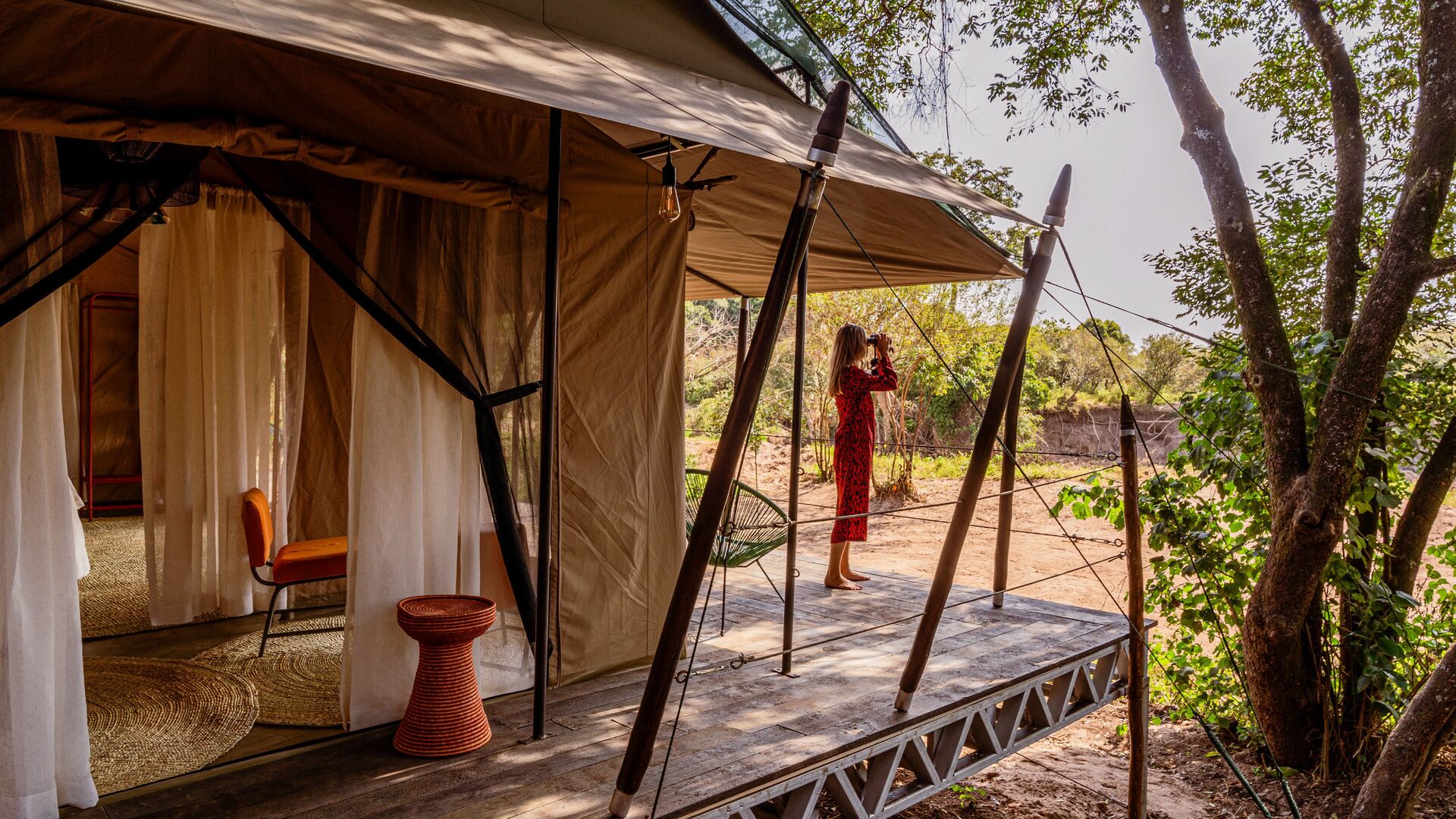
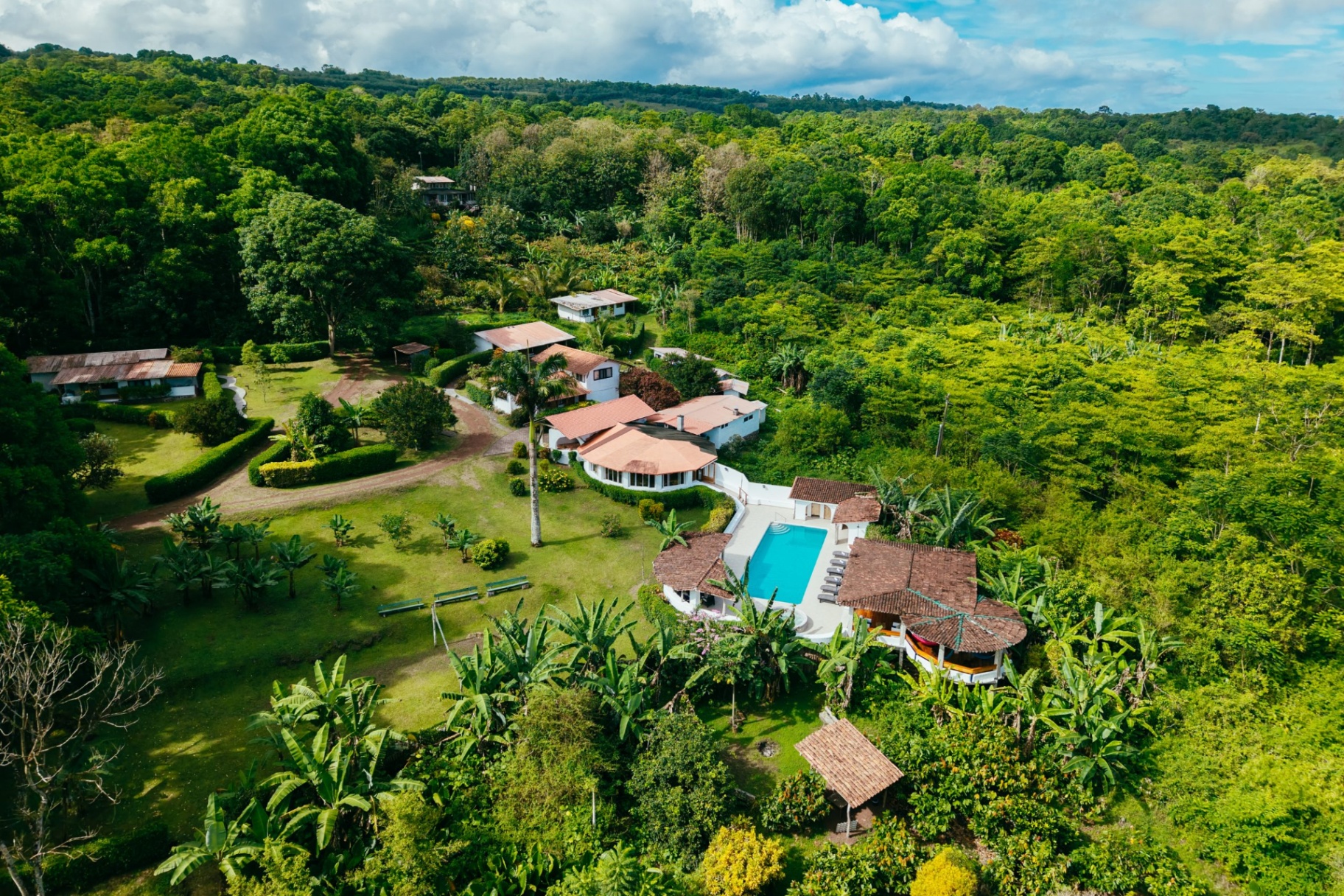
Regenerative hotels have been working from Seldon's premise for years. The best of them already track the questions she asks, such as reef cover and hectares rewilded, the share of staff hired from nearby villages, and how much of every guest dollar stays in the local economy. What they have lacked is a shared frame that investors and governments recognise. GDR could be that frame.
It also gives travellers a sharper question to ask before they book. Beyond asking whether a place is sustainable, they can ask whether their stay leaves the land, the community and the local economy stronger.
From idea to instrument
GDR now has an institutional home in the making. At the New York launch, Seldon and Sood announced a Regeneration Task Force to support a future GDR Institute and its frameworks, and to connect Indigenous communities with global institutions and financial players. The task force plans to explore pilot frameworks and early partnerships.
The idea is still being developed and tested, and the hard questions lie ahead. How do you put a single figure on the health of a watershed or the trust inside a community? Who collects that data, and who gets to define what counts as restored? How do you stop GDR from becoming another label that companies claim without earning?
GDR also joins a crowded field. Bhutan's Gross National Happiness, the Genuine Progress Indicator, the UN's natural capital accounting and Kate Raworth's doughnut economics all tried to move the world beyond GDP. Each has shaped debate, and none has displaced the old number. GDR's edge may be its origin in investing, which gives it a route into boardrooms that earlier measures struggled to reach.
What we choose to grow
Seldon's proposal comes down to a simple choice about what we count. An economy measured by output will keep producing more, whatever it costs the land and the people. An economy measured by regeneration would reward richer soil, cleaner rivers and stronger communities, and it would still grow. The difference is in what grows.
For the travel industry, that shift cannot come soon enough. The places we love are the assets we depend on, and the numbers should finally say so.
Sources
- The Metric Problem, Why Smart Capital Is Looking Beyond GDP, Tenzin Seldon, Forbes, June 2026
- AudacityAI launches Gross Domestic Regeneration Task Force with Tenzin Seldon, ANI via Lokmat Times, September 2026
- Tenzin Seldon, Measuring What We Restore, Geoffrey Holland, September 2026
- Climate Change Is a Math Problem, Tenzin Seldon on YouTube, August 2026
Where to stay
Suggested regenerative hotels
Continue the journey