A single meal can teach a traveller how a place feeds itself. Across regenerative hospitality, kitchens are becoming classrooms, showing guests where their food grows, who keeps its recipes alive and what happens to everything left on the plate.
In an orchard in Ladakh, a cook reaches for apricots that ripened a few steps from the kitchen door. In Alaska, a chef prepares wild salmon from the waters around the lodge. In rural Georgia, a garden a short walk from the dining room decides tonight's tasting menu. Each of these meals carries a lesson about how food reaches us, and how much of the world depends on that journey.
Food sits at the centre of some of the largest questions facing the planet. It shapes which plants and animals survive, how much carbon enters the atmosphere, how much waste reaches landfill and whose knowledge is handed to the next generation. For travellers, a hotel kitchen is one of the most direct places to watch those systems at work.
This guide follows five lessons the regenerative table can teach, each told through properties in the Regenerative Travel community, and closes with the questions any traveller can bring to their next meal away from home.
What a heritage dish protects
Across human history, people have cultivated more than 5,000 crops for food. Today, according to figures from the UN Food and Agriculture Organization, just 12 crops and five animal species provide 75% of the world's food. As diets converge on the same handful of staples, local varieties of grain, fruit and livestock fall out of use, and once a variety stops being grown, the seed and the knowledge that sustained it can vanish within a generation.
A heritage dish gives people a reason to keep growing something. When a kitchen cooks the food of its region, it creates steady demand for the crops and breeds that dish depends on, and the farmers who raise them have a reason to continue.
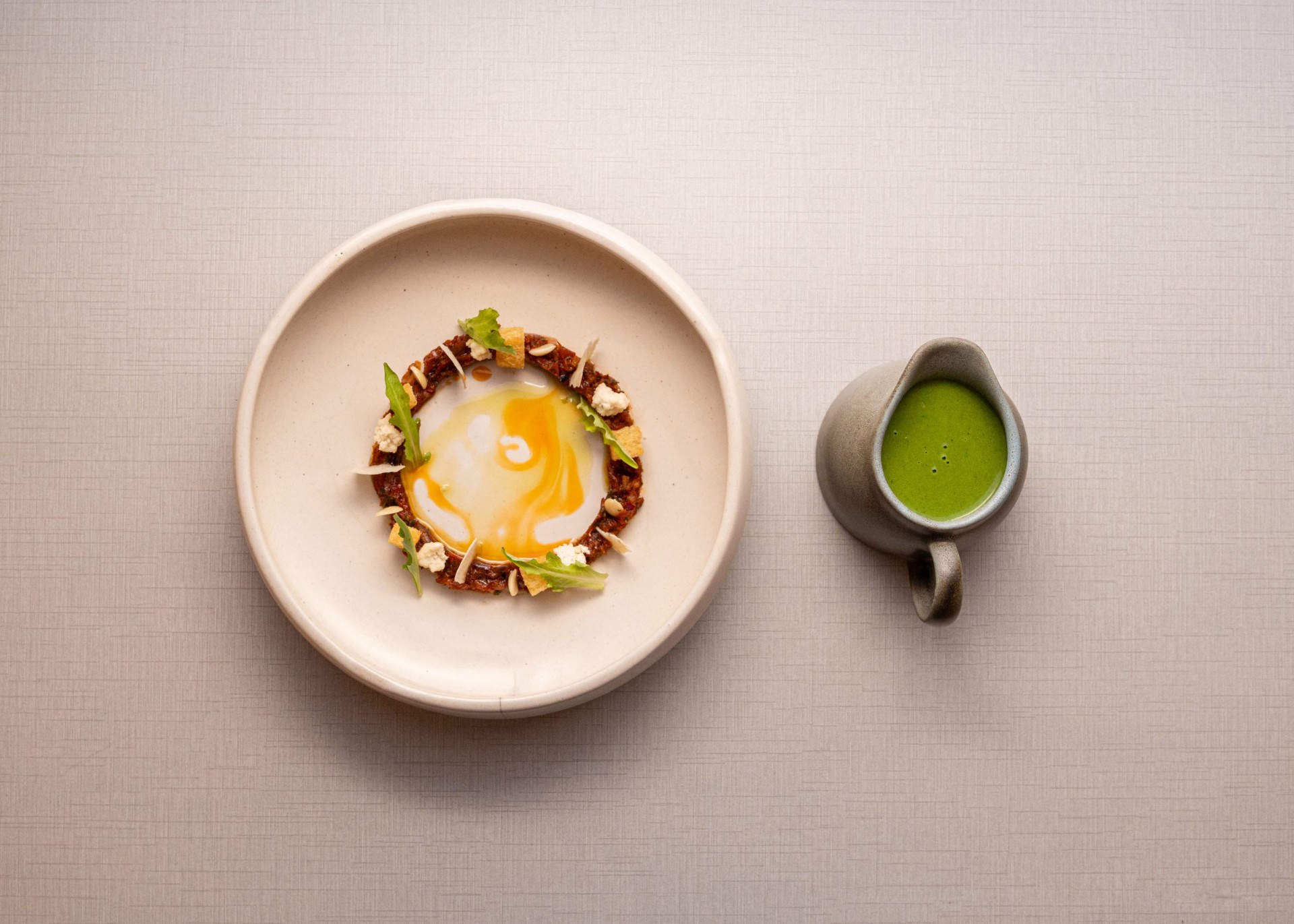
In Ladakh, Dolkhar Ladakh puts this into practice at Tsas, its hyper-local, plant-based restaurant set within an apple and apricot orchard. Tsas means kitchen garden, and the menu draws on that garden and on local ethical farmers, keeping high-altitude produce at the heart of every plate.
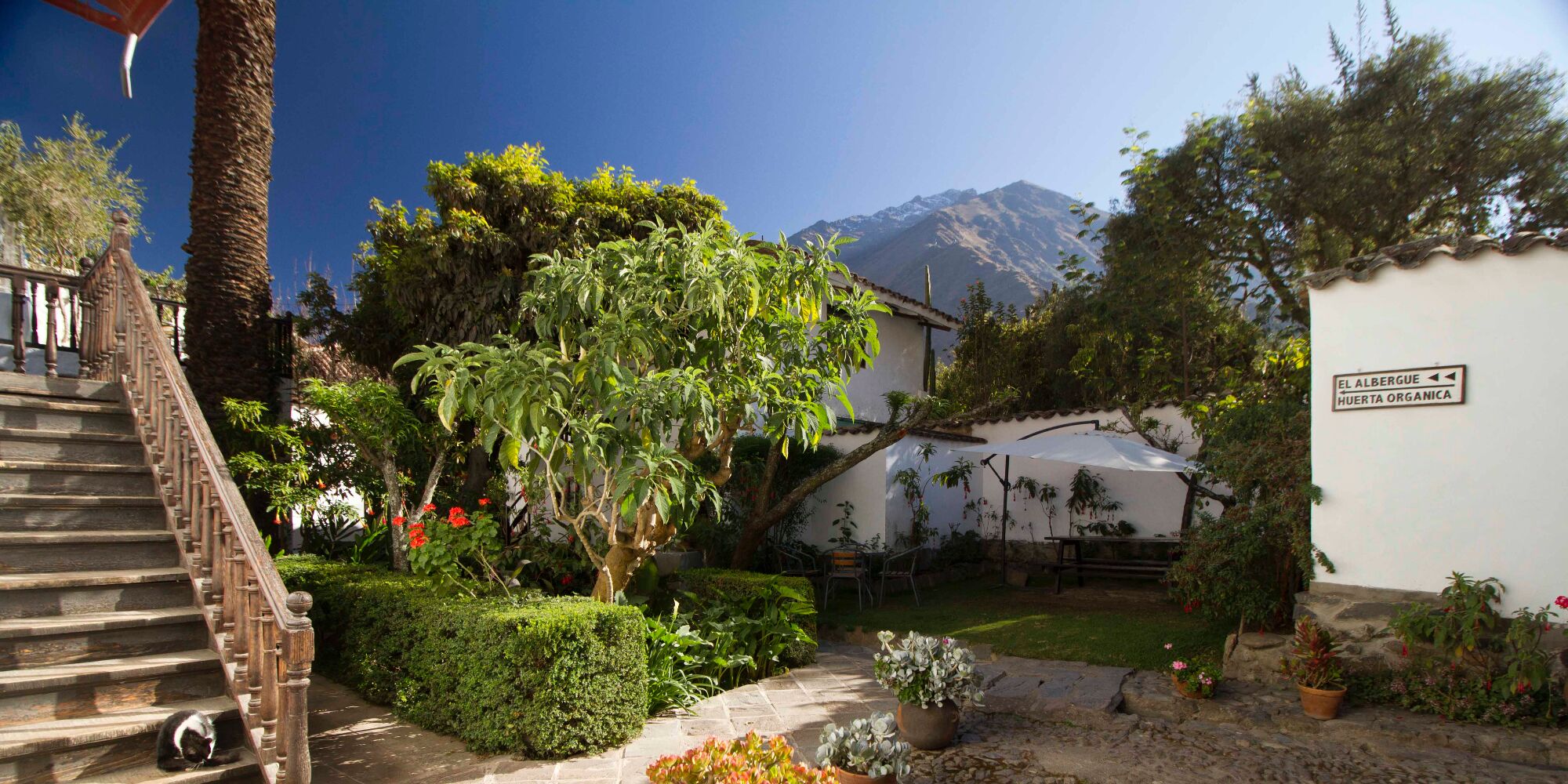
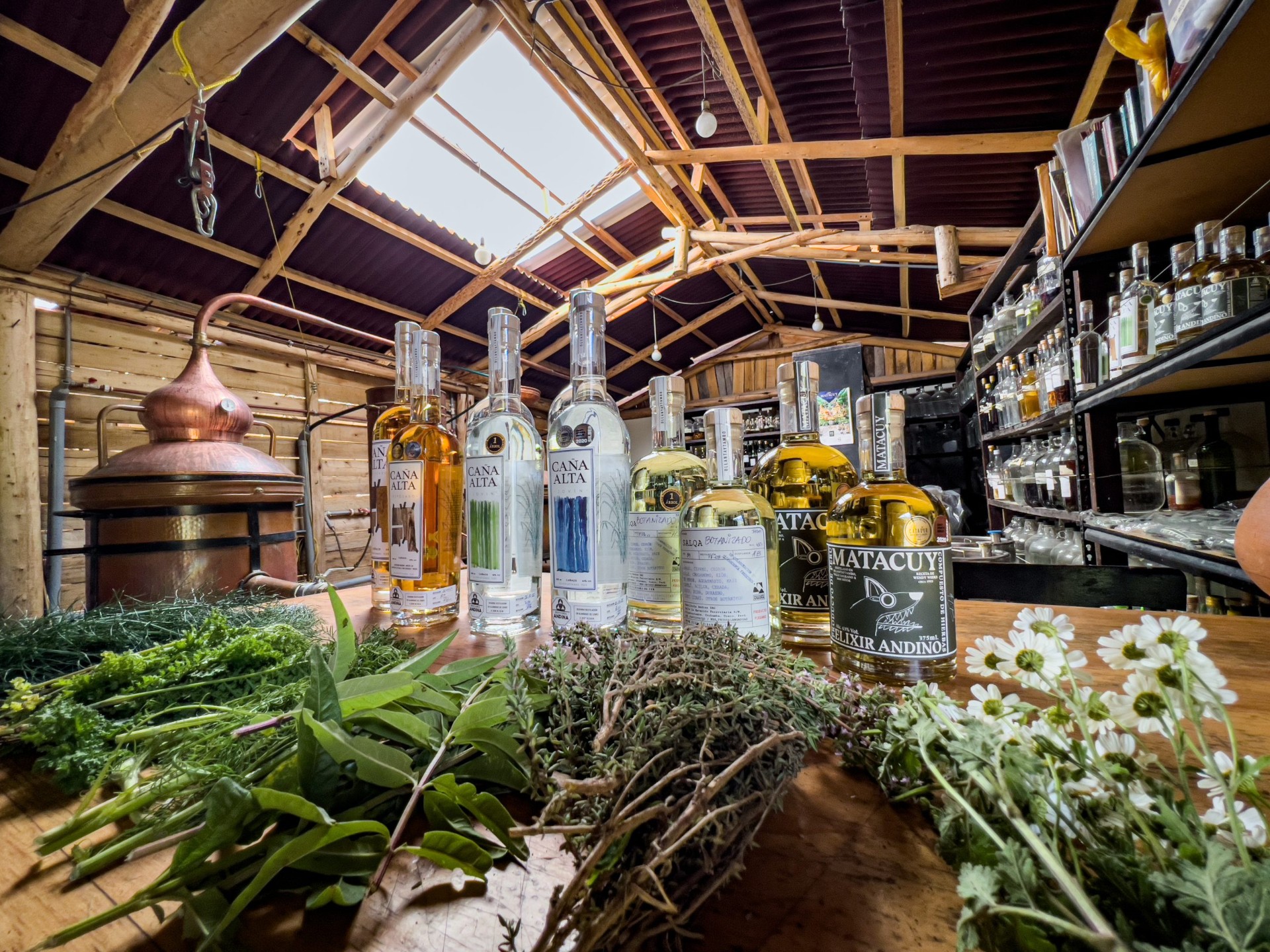
In Peru's Sacred Valley, El Albergue Ollantaytambo serves a traditional Pachamanca Farm Lunch, an Andean feast slow-cooked with heated stones in an earth oven, alongside coffee roasted in-house and spirits from its sister distillery, Destilería Andina.
In Portugal's Alentejo, Herdade da Cortesia celebrates regional specialities such as Migas, a dish of bread and olive oil born from a tradition of wasting nothing, served with local cheeses and organic olive oil.
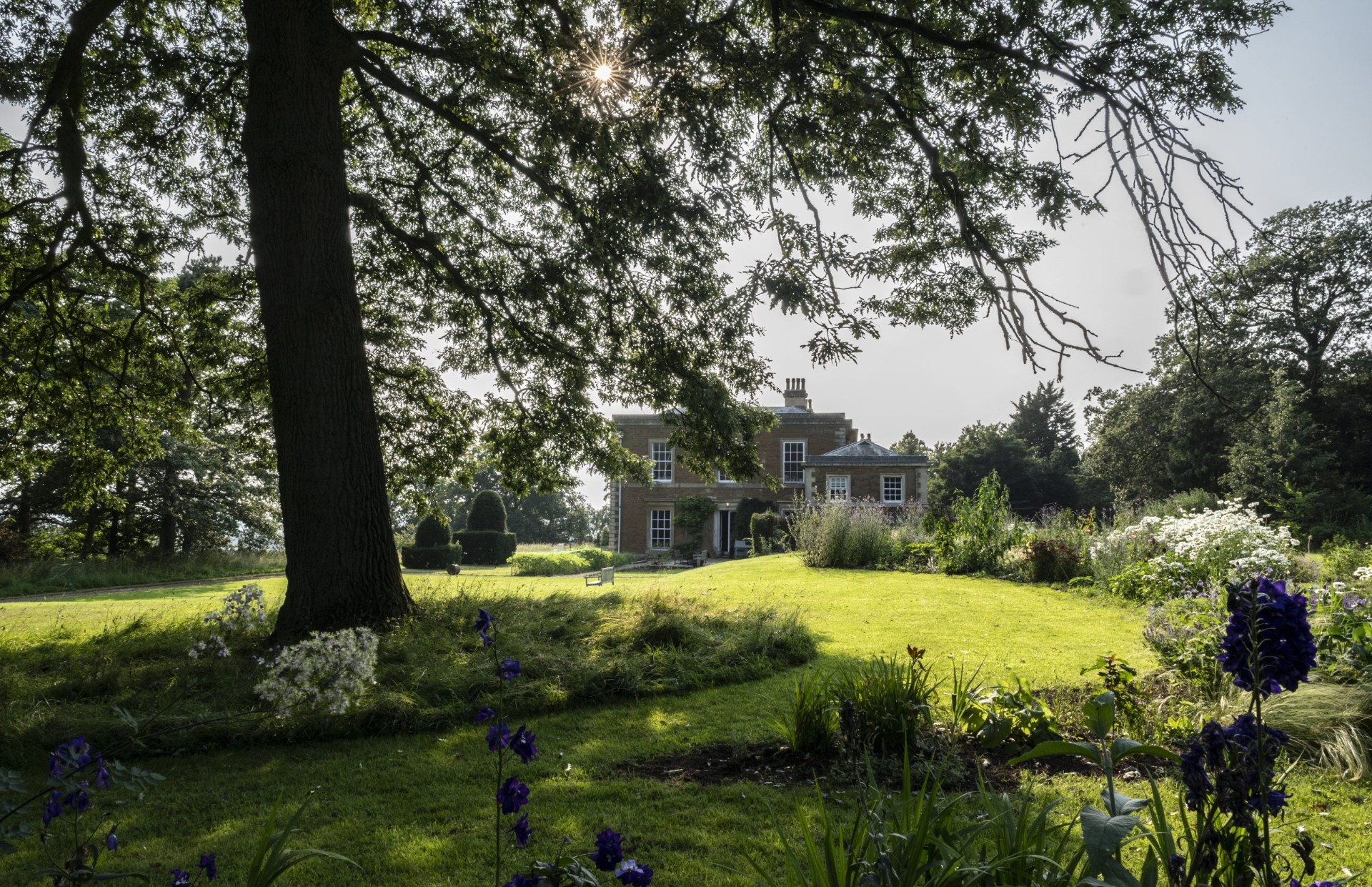
In the United Kingdom, Keythorpe Hall draws on its walled garden, fruit orchard and greenhouse, and its beehives provide honey while supporting pollination. The property is a member of Slow Food UK, part of a global movement that works to protect regional foods at risk of disappearing.
Who keeps the recipe alive
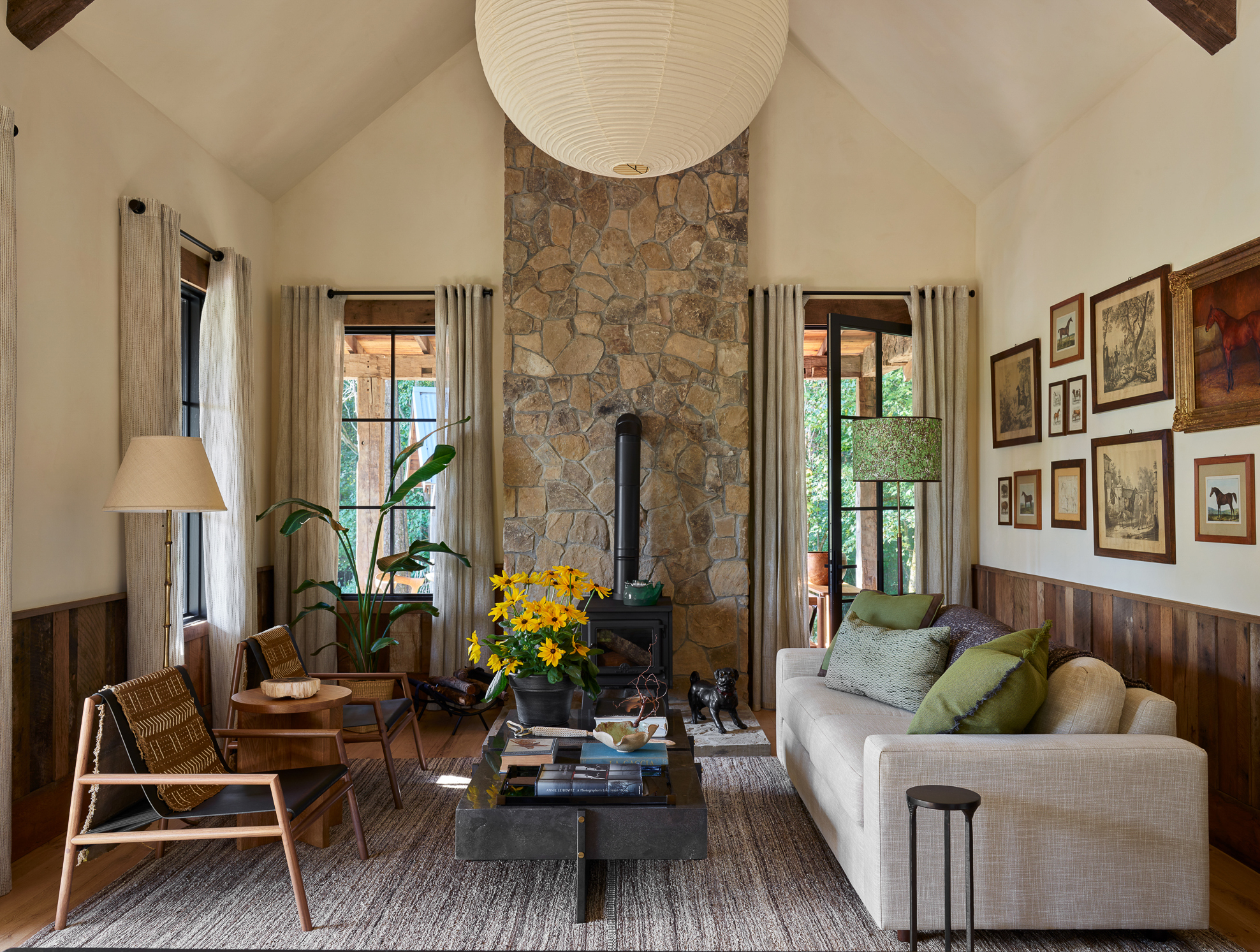
A recipe is a form of knowledge. It records which ingredients grow well in a place, how to preserve a harvest through a long winter and how to stretch a lean season. Much of it has never been written down. It travels from cook to cook, and it survives for as long as someone has a reason to keep cooking it.
Tourism can supply that reason. When a property pays local cooks to prepare their own cuisine, traditional knowledge becomes a livelihood, and a livelihood is something families pass on.
When a property pays local cooks to prepare their own cuisine, traditional knowledge becomes a livelihood.
At Lchang Nang Retreat in Ladakh's Nubra Valley, Chansa, the Ladakhi kitchen, is run by local women from the Women's Alliance of Teggar. Traditional dishes arrive with the stories behind them, and the knowledge stays in the hands of the women who hold it.
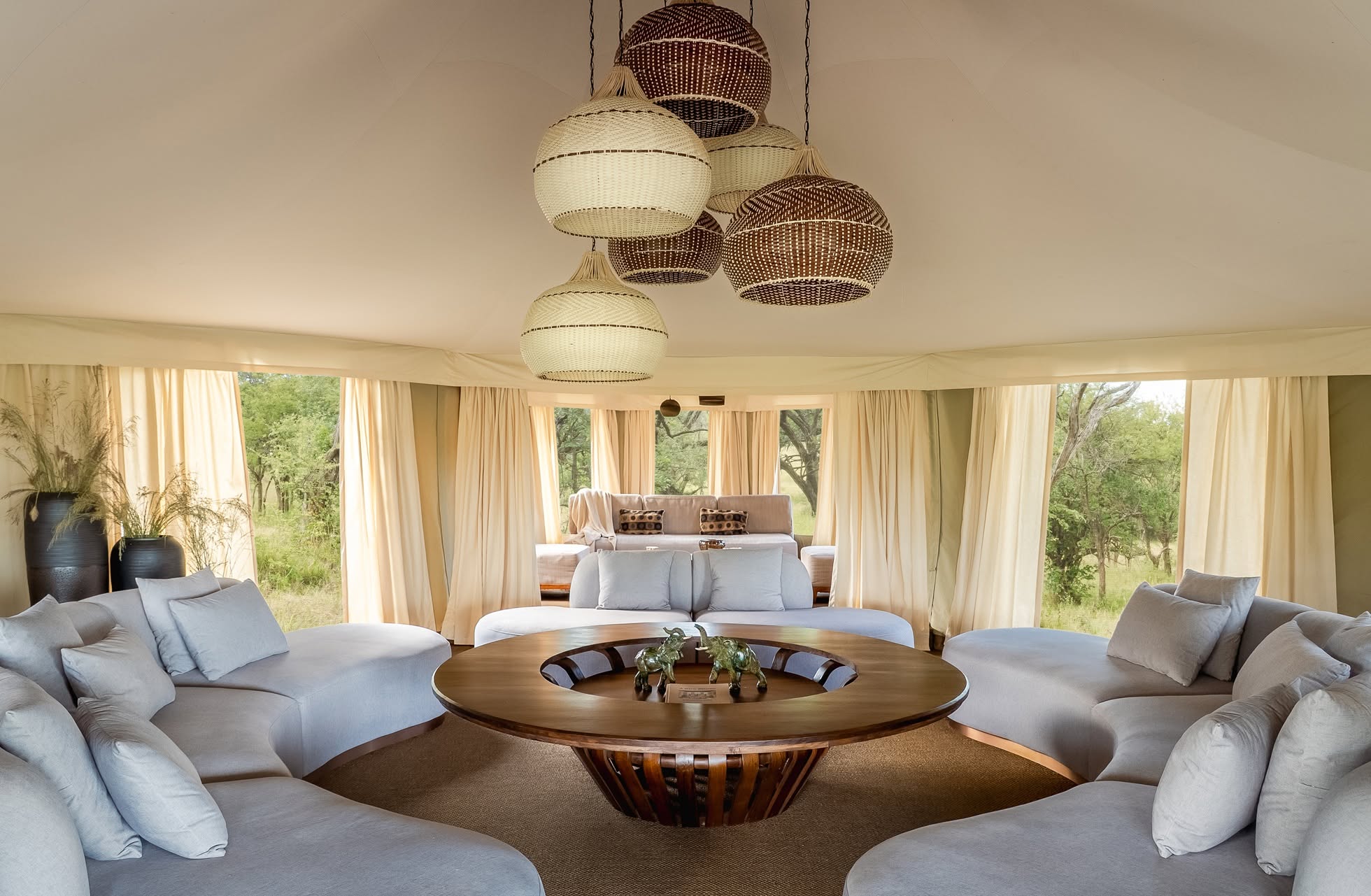
At Cherero Camp in Tanzania, an on-site female chef prepares signature local dishes from locally sourced ingredients, making the region's cooking a central part of the guest experience.
In Indonesia, Sumba Hospitality Foundation carries the idea into education at Makan Dulu, its on-site training restaurant. Young Sumbanese learn hospitality by preparing and serving traditional dishes such as Ro'o Luwa, alongside house-made cashew milk, using produce from a four-to-five-hectare permaculture garden that yields around one tonne of fresh fruit and vegetables each month. The kitchen trains the next generation of cooks while keeping the island's food at the centre of the menu.
What regenerative means on a farm
The way food is grown carries a cost that rarely appears on a menu. A study published in Nature Food in 2021 found that food systems account for around a third of global greenhouse gas emissions caused by human activity, with roughly two-thirds of that share coming from farming and changes in land use.
That is why the words on a menu matter, and why they are so easily confused. Four terms appear again and again.
- Organic
- Farming that follows certified standards restricting synthetic pesticides and fertilisers.
- Biodynamic
- Grew from a series of lectures by Rudolf Steiner in 1924. It treats the farm as a single living organism, using compost preparations and a planting calendar to keep that organism in balance.
- Permaculture
- Developed by Bill Mollison and David Holmgren in Australia in the 1970s, a design approach that arranges plants, animals, water and buildings so that each supports the others.
- Regenerative
- Defined by its goal, which is to leave soil, water and biodiversity in better health each year. Its practices include cover crops, compost, minimal tilling and rotational grazing. There is no single global standard, and researchers continue to study how much carbon soils can store and for how long, so the most credible farms explain what they do and measure what changes.
At Quercus in rural Georgia, about an hour from Atlanta, several of these ideas meet on one estate. Some 3,800 acres of forest, pasture and river began as a family's return to regenerative farming, and the guest experience grew out of the land. Around 600 Brangus cattle graze the pasture, pecan groves line the drive and a biodynamic garden tended by co-owner Angelos supplies Uberto, the restaurant created with Kara Hidinger and Ryan Smith of Atlanta's acclaimed Staplehouse. Seasonal tasting menus arrive on ceramics shaped from clay dug on the ranch, and guests can ask for a tour of the fermentation lab.
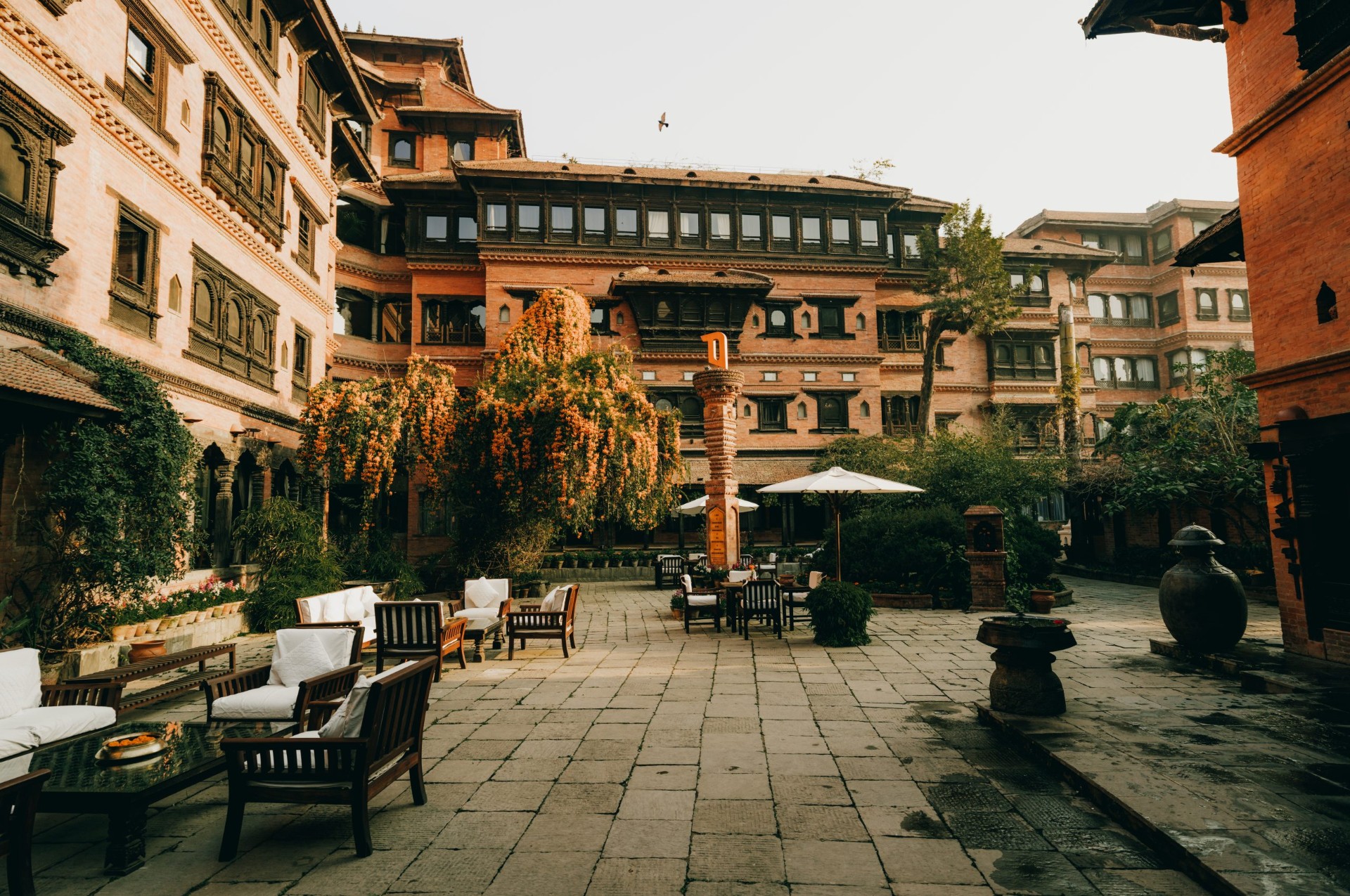
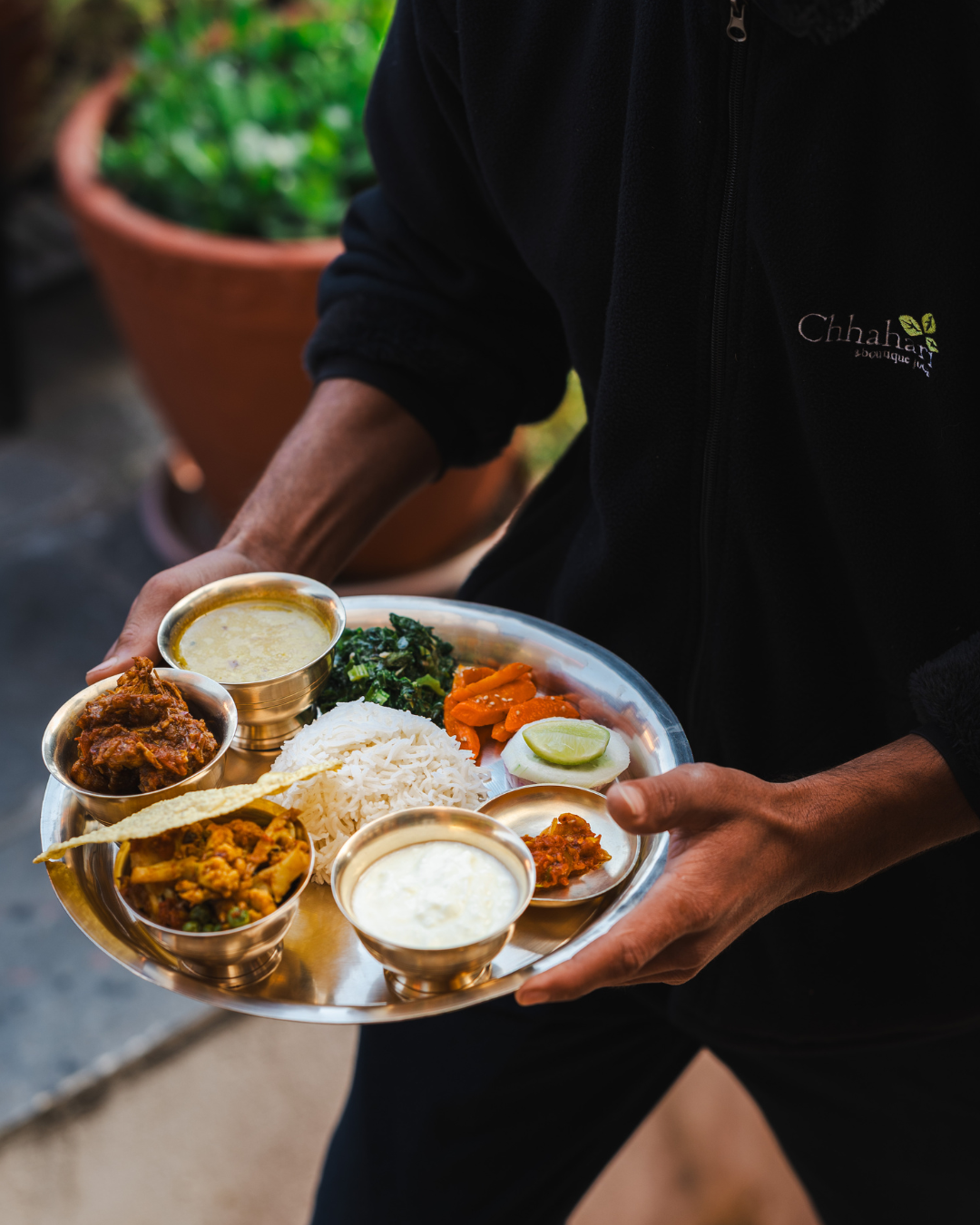
Near Kathmandu, Chhahari Retreat shows the same thinking at a smaller scale. Its kitchen cooks with vegetables from its own organic garden, grown without artificial pesticides, and its cooking classes let guests follow a vegetable from the bed to the pan.
Where the scraps go
The UN Environment Programme estimates that the world wasted 1.05 billion tonnes of food in 2022, almost a fifth of all food available to consumers. Restaurants, hotels and other food services accounted for 290 million tonnes of it. Food that rots in landfill releases methane, so every kitchen that closes its own loop eases pressure on the climate as well as the bin.
At Sterrekopje Farm in South Africa's Franschhoek valley, the kitchen runs on a zero-waste policy. Chef Carine Smit builds her farm-to-table menus around home-grown produce, turning to neighbouring producers for the rest, and guests can gather ingredients from the gardens or join a class in the farm bakery.
At Tutka Bay Lodge in Alaska, kitchen scraps go to local farmers as animal feed and compost, and organic produce grows in high-tunnel greenhouses watered by rainwater catchment, so what one meal leaves behind helps feed the next harvest.
At Boardwalk Boutique Hotel Aruba, which holds Two MICHELIN Keys, guests take part directly. Its Do-Good Program invites them to compost food waste, support Aruba's local food bank and buy locally made products, turning a stay on an island where resources are scarce into a lesson in using them well.
The landscape keeps the calendar
Supermarkets have taught many of us to expect every ingredient in every month. A landscape keeps its own calendar. Orchards fruit once a year, salmon run when the rivers allow, and wild catches stay healthy only when people take less than nature replaces. Eating with the seasons is one of the simplest ways to learn how a place truly works.
A landscape keeps its own calendar.
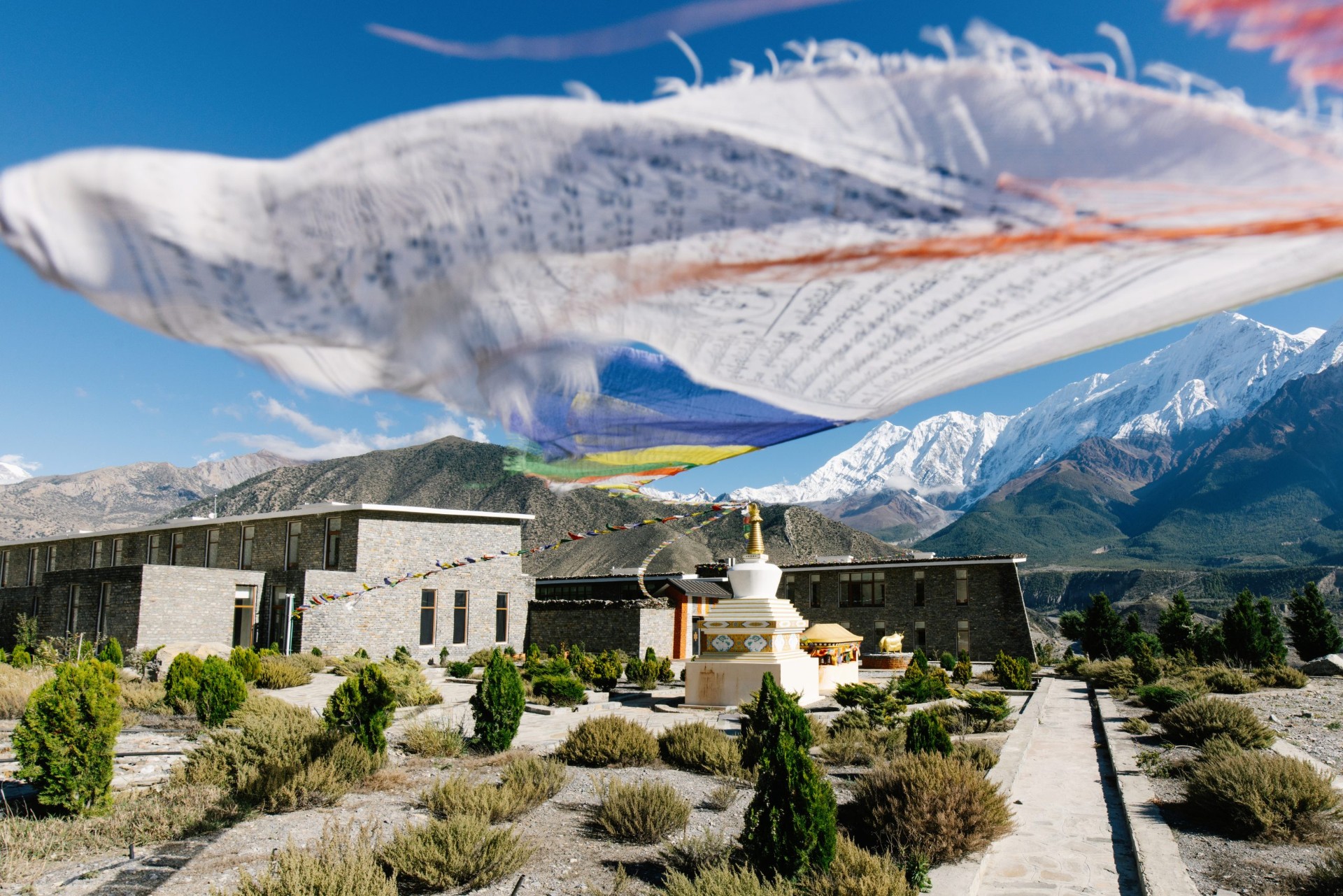
In Nepal's high-altitude Mustang, Shinta Mani Mustang tends four hectares of apple and apricot orchards with more than 2,000 trees, while two indoor greenhouses grow over 15 varieties of fruit and vegetables, supported by compost systems and local organic farms. The orchard sets the rhythm of the kitchen, and a guest who arrives at harvest tastes a different Mustang from one who arrives in spring.
At Tutka Bay Lodge, sea-to-table cooking follows the short northern summer, built around wild Alaskan salmon, local berries, sourdough and hand-crafted cheeses. Chef Kirsten Dixon, who trained at Le Cordon Bleu, leads the lodge's on-site cooking school, where guests learn how the sea and the seasons shape what reaches the table.
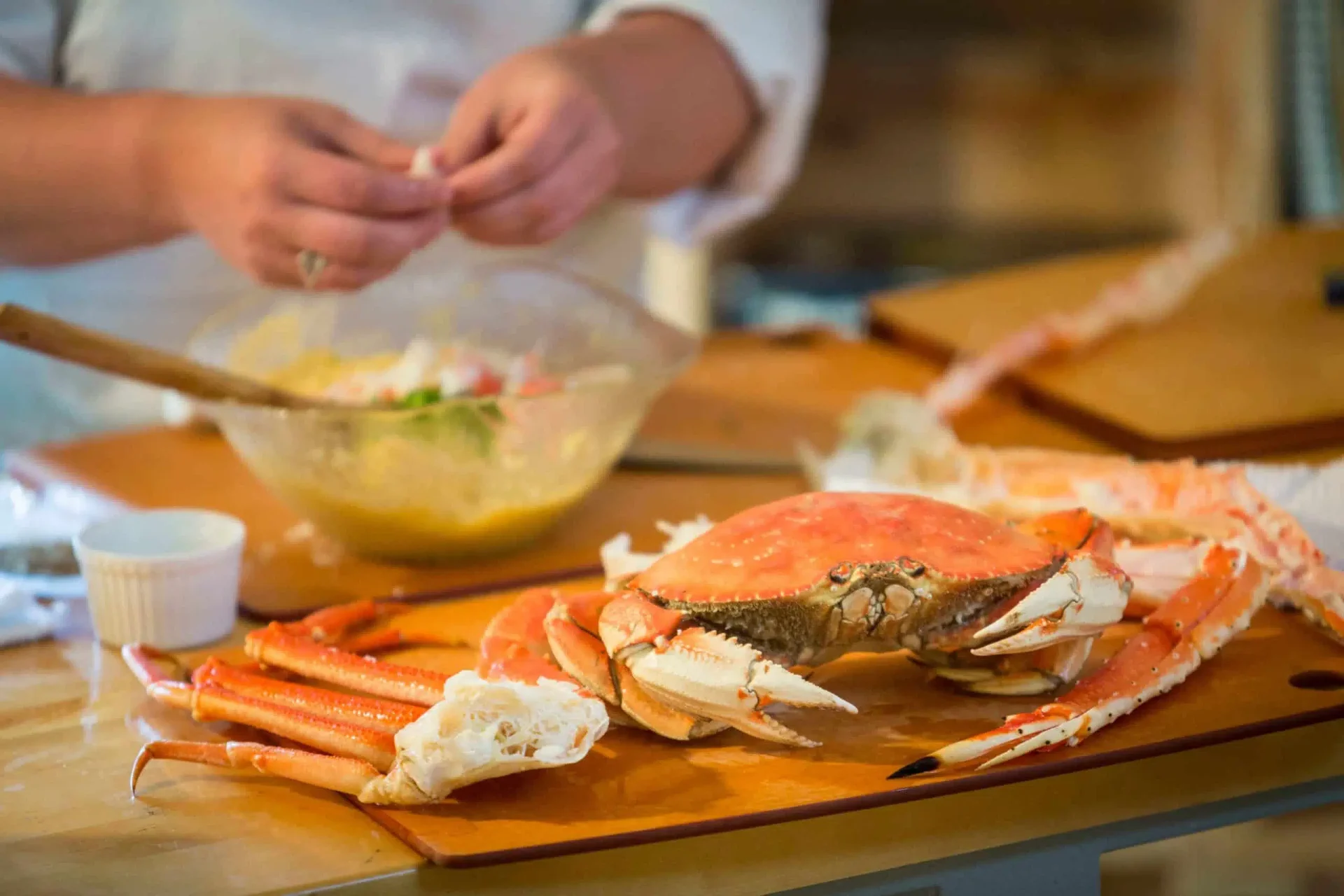
At Ngalung Kalla, guests can join sustainable sportfishing or reef walks with local women to gather food, then bring what they find to an open kitchen that combines ocean-to-table and farm-to-table dining.
In the mountains of Norway, Skåbu Fjellhotell serves produce from its own farm animals alongside game and fish from local hunters and fishers, a menu shaped by what the surrounding valleys provide.
How to read a menu on the road
Travellers need no training as farmers or chefs to eat in ways that support a place. A few questions, asked with curiosity, reveal a great deal about any kitchen.
- What on this menu grew or was caught nearby?The answer shows how closely the kitchen is tied to its landscape.
- Who cooks it, and where did they learn?Local cooks preparing their own cuisine keep knowledge alive.
- What happens to the scraps?Compost, animal feed and partnerships with farmers point to a kitchen that closes its loops.
- What is in season this week?A menu that changes with the calendar is following the land.
- Is there a dish I can only eat here?Heritage dishes protect the crops, breeds and recipes that make a region distinct.
- Where does the money from this meal go?Paying local farmers, fishers and cooks fairly keeps more of what you spend in the community.
The lessons on the plate
Every lesson on the regenerative table returns to one idea. Food is the most direct relationship a traveller has with a place, linking soil, season, cook and community in a single meal. Diversity endures when heritage dishes are cooked, knowledge endures when cooks are valued, soil recovers when farms are tended with care, waste shrinks when kitchens close their loops, and wild places last when menus follow their limits.
Long after a journey ends, the taste of a place can stay with us. The hope is that the understanding stays too, and travels home to every table we sit at next.
References
Crippa, M., Solazzo, E., Guizzardi, D., Monforti-Ferrario, F., Tubiello, F. N., & Leip, A. (2021). Food systems are responsible for a third of global anthropogenic GHG emissions. Nature Food. Summary from FAO
United Nations Environment Programme. (2024). Food Waste Index Report 2024
Stockholm Environment Institute. Leveraging agrobiodiversity, citing FAO figures.