What would you like to discover?
Ask about our member hotels, travel designers, magazine stories, events and membership.

The Wellness Science of Slow Travel
How Land, Culture, and Stillness Restore Us
There was a time when travel was synonymous with discovery. Journeys unfolded slowly, each destination revealing itself through conversations with strangers, shared meals, long walks, and quiet moments that couldn't be scheduled. Somewhere along the way, travel became another form of performance.
Today's itineraries often resemble checklists. Five cities in seven days. Sunrise at one landmark, sunset at another. Museums, viewpoints, restaurants, markets, all mapped, photographed, and shared before the moment has even settled. Researchers who study stress recovery describe something called allostatic load, the cumulative wear that builds when the body's stress response stays switched on longer than it needs to. A packed itinerary, however scenic, can keep that response humming in the background rather than letting it rest. It may explain why so many of us come home from vacation already dreaming of the next one.
What the body seems to want from travel is a change in rhythm rather than more stimulation: silence in a world of constant notification, conversation that unfolds rather than transacts, landscapes that invite observation rather than consumption, and cultures that are lived rather than performed. Understood this way, a trip stops being a list of sights and becomes something closer to a course of treatment.
This is where regenerative travel offers something genuinely different, grounded as much in physiology as in philosophy. Across mountains, rainforests, rivers, farms, villages, and coastlines, a growing number of destinations are demonstrating, sometimes without naming it, three pathways that wellness researchers have spent decades studying: restoration through land, connection through culture, and recovery through stillness.
Twenty to thirty minutes of soft attention in a natural setting — phone away — is enough to measurably drop cortisol.
The Land Retrains the Nervous System
Attention restoration, stress reduction, and the physiology of a forest walk
Psychologists Rachel and Stephen Kaplan spent years studying why a walk through a forest leaves people sharper than a walk through a city, publishing their findings as attention restoration theory in 1989 and refining the framework through the 1990s. Directed attention, the effortful kind we use to answer emails or navigate traffic, is a limited resource that depletes across the day. Natural environments, the Kaplans found, draw on a different and effortless kind of attention — one held gently by rustling leaves or moving water rather than seized by a ringing phone. That gentler engagement, which they termed soft fascination, allows the overworked, effortful system to rest and recover.
A companion body of research led by environmental psychologist Roger Ulrich, known as stress reduction theory, found something parallel happening in the body. In one of the most cited studies in hospital design, Ulrich tracked gallbladder-surgery patients recovering in rooms with a window view of trees against matched patients facing a brick wall. The patients who could see trees left the hospital roughly a day sooner, needed markedly fewer strong painkillers, and drew fewer negative notes from nursing staff, despite having had identical procedures. Later research out of Japan, where Nippon Medical School physician Qing Li built an entire field known as Forest Medicine, found that time among trees measurably lowers cortisol and blood pressure, raises natural killer cell activity in the immune system, and shifts the nervous system toward its parasympathetic, restorative mode. A 2019 University of Michigan study found the effect has a rough dosage: cortisol drops fastest during the first twenty to thirty minutes spent in a natural setting, phone away.
Few places make that relationship as legible as The Datai Langkawi. Nestled within a ten-million-year-old Malaysian rainforest, the resort treats nature not as scenery but as the reason for the visit. Guests explore the jungle alongside resident naturalists, move through elevated canopies while learning about endemic species, take part in marine conservation, and learn how one of the world's most celebrated beaches stays healthy through stewardship rather than extraction. The Datai Pledge turns comfort and environmental responsibility into partners rather than trade-offs — soft, absorbing engagement that attention restoration theory identifies as genuinely restful.
In Portugal's Alentejo region, Herdade da Cortesia extends the same principle into daily rhythm. Wide skies stretch over cork oak forests, olive groves and a tranquil lake where mornings begin with sunrise yoga instead of alarms. Guests paddle across the reservoir, watch native birdlife from a wildlife observatory, or eat meals grown in the estate's own organic gardens. Nothing here asks to be accomplished. The land simply asks to be noticed — and noticing, it turns out, is most of what the nervous system needs to downshift.
That same logic shapes the guest experience at Quercus, in rural Georgia, where regenerative agriculture sits at the centre of the guest experience rather than the edges of it. Walking through biodynamic gardens, learning how soil health shapes flavour, kayaking quiet waterways, or joining a farm tour turns food from something consumed into something understood.
England's Keythorpe Hall tells a related story through centuries-old gardens and restored orchards. Guests harvest vegetables, forage alongside ethnobotanists, and watch a kitchen where almost nothing goes to waste — its butter, jams, fermented vegetables, compost and biomass energy folded into daily life rather than displayed as sustainability slogans.
Members Practising Restoration Through Land
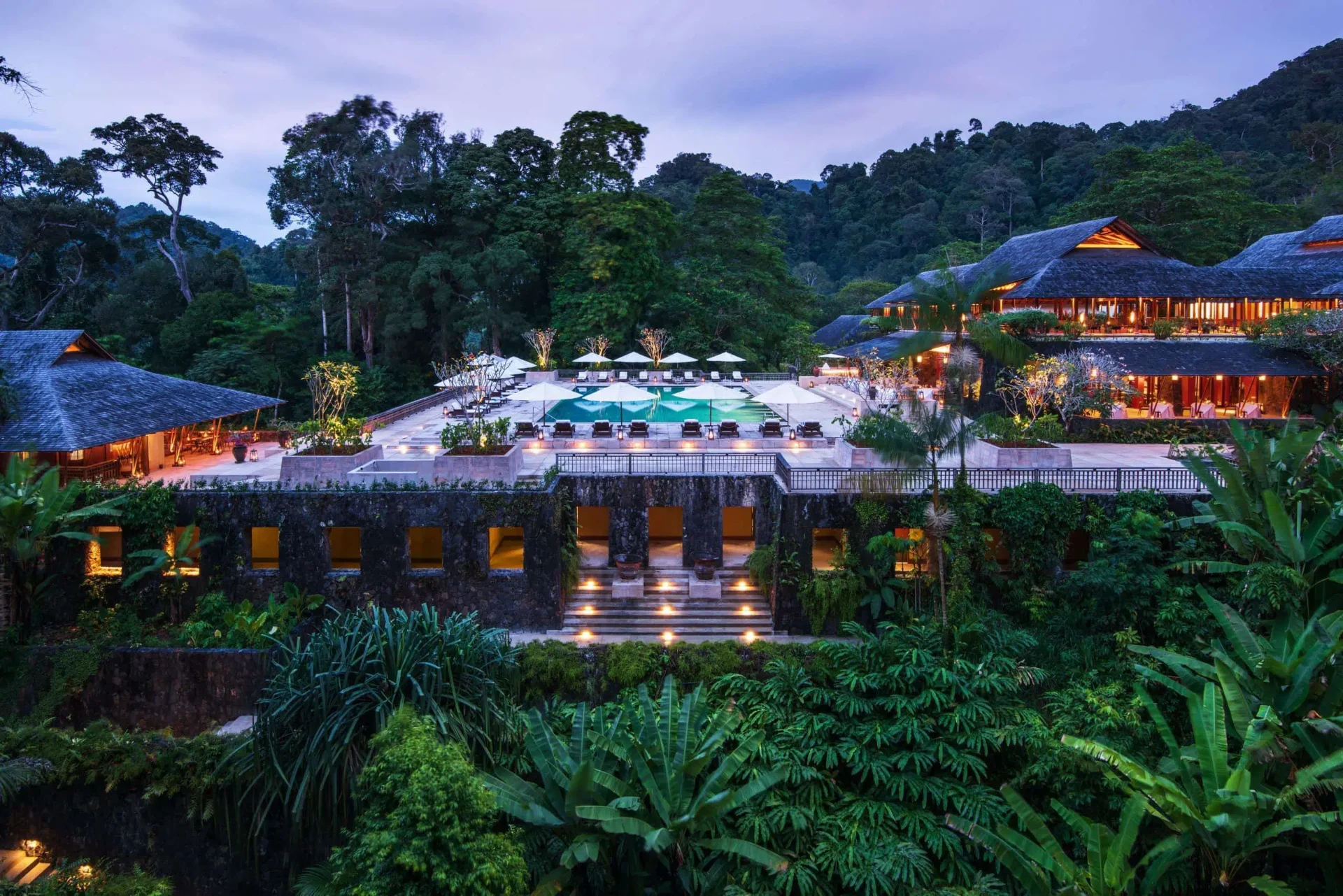
Langkawi, Malaysia
The Datai Langkawi
A resort inside a ten-million-year-old rainforest, where naturalists lead canopy walks and marine conservation is part of the guest experience.
View Property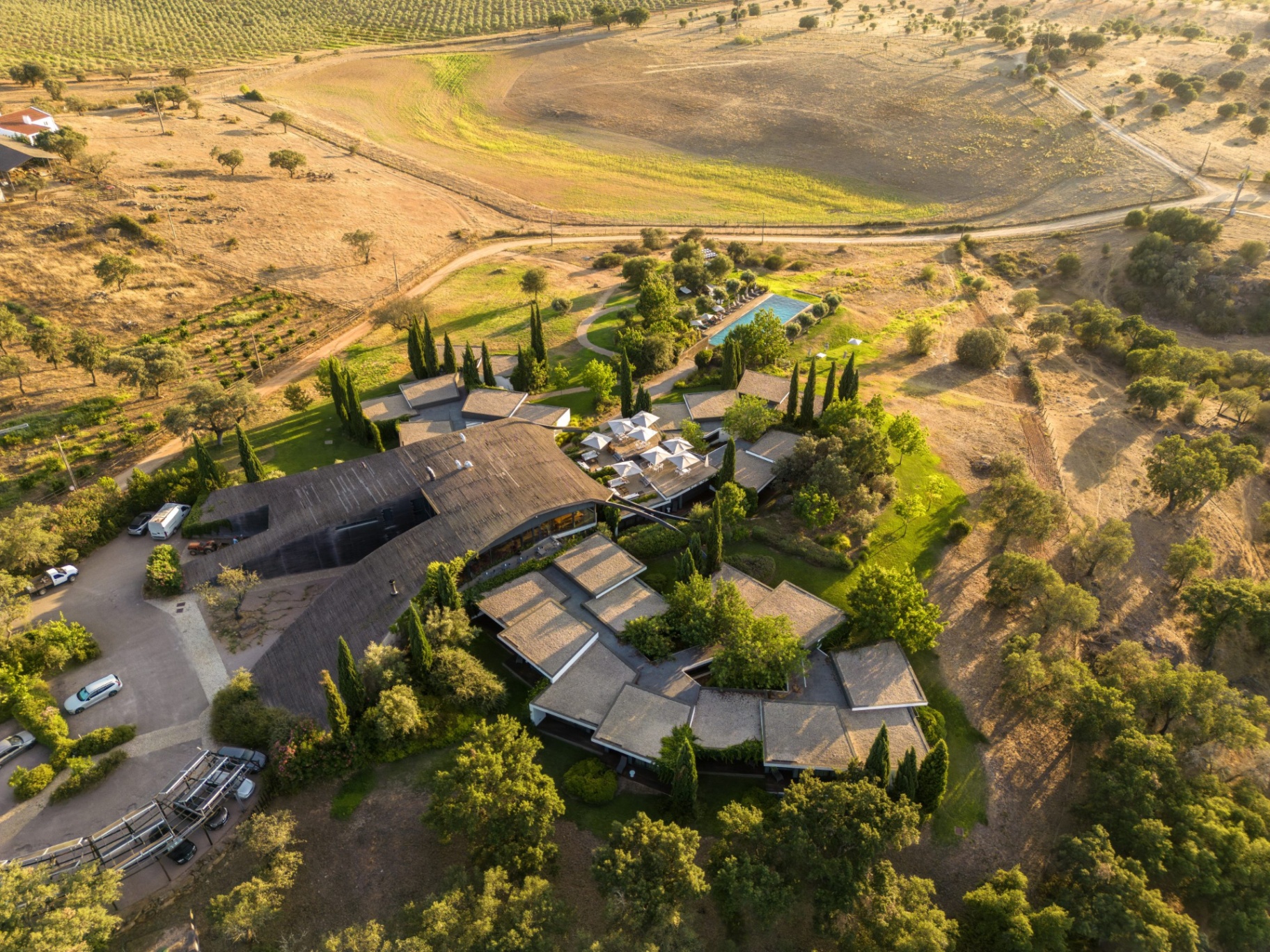
Alentejo, Portugal
Herdade da Cortesia
Cork oaks, olive groves, a tranquil reservoir, and mornings that begin with sunrise yoga instead of alarms.
View Property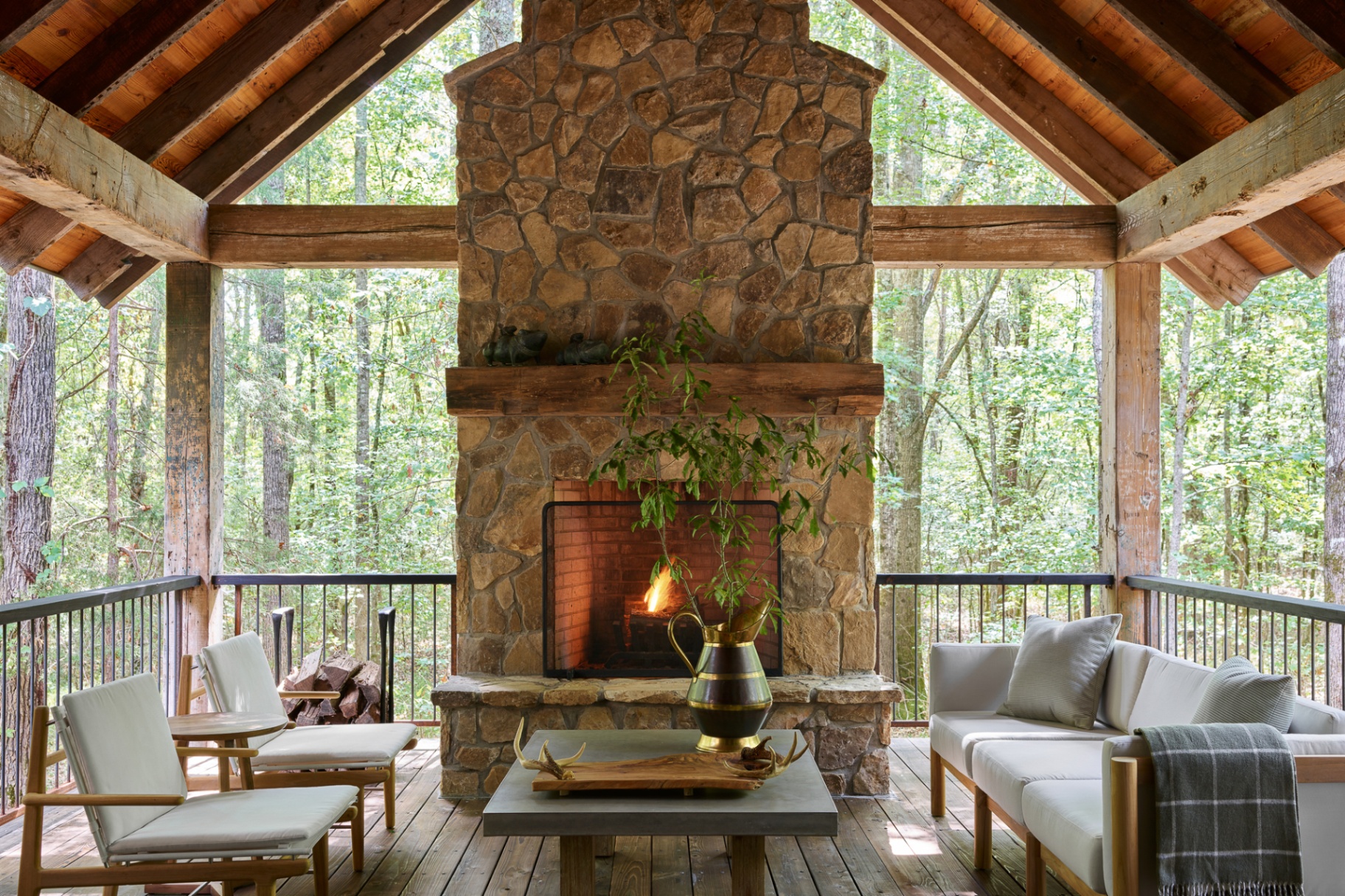
Rural Georgia, USA
Quercus
Regenerative agriculture at the centre of the guest experience — biodynamic gardens, quiet waterways, and meals that explain the land.
View Property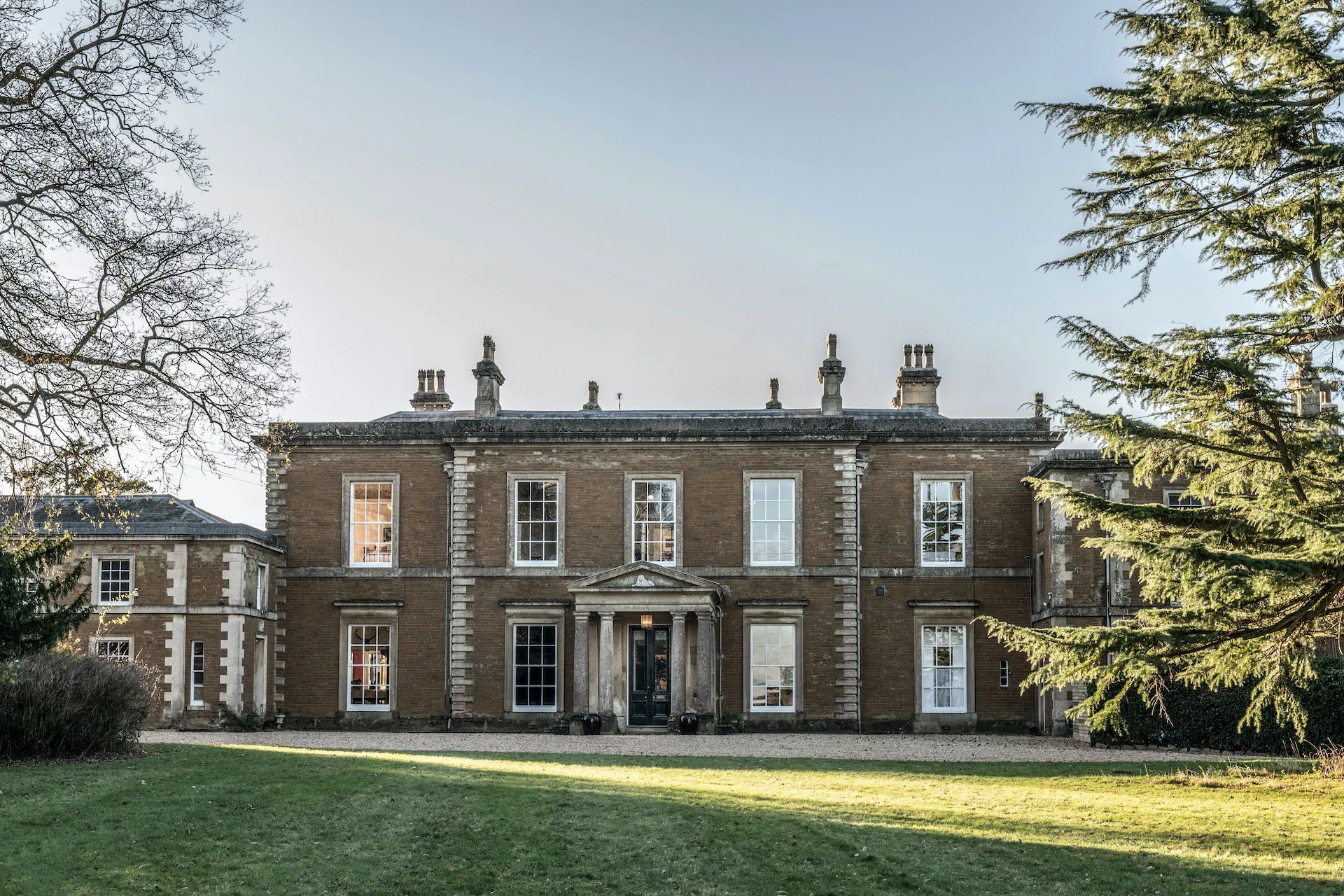
Leicestershire, England
Keythorpe Hall
Centuries-old gardens, restored orchards and a near-zero-waste kitchen where butter, jams and biomass energy fold into daily life.
View Property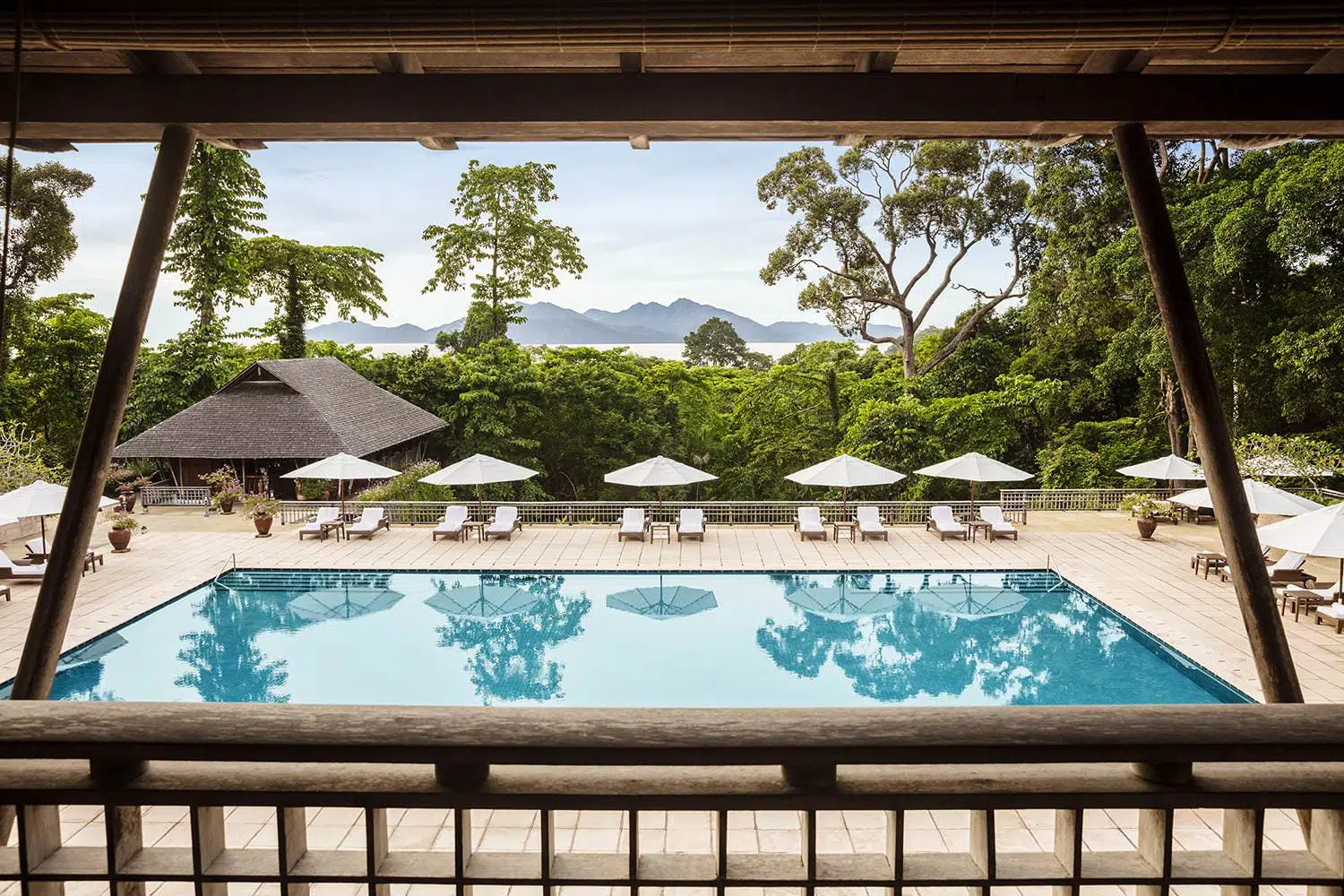
The Datai Langkawi · Malaysia
Ten million years of rainforest at the edge of the pool.
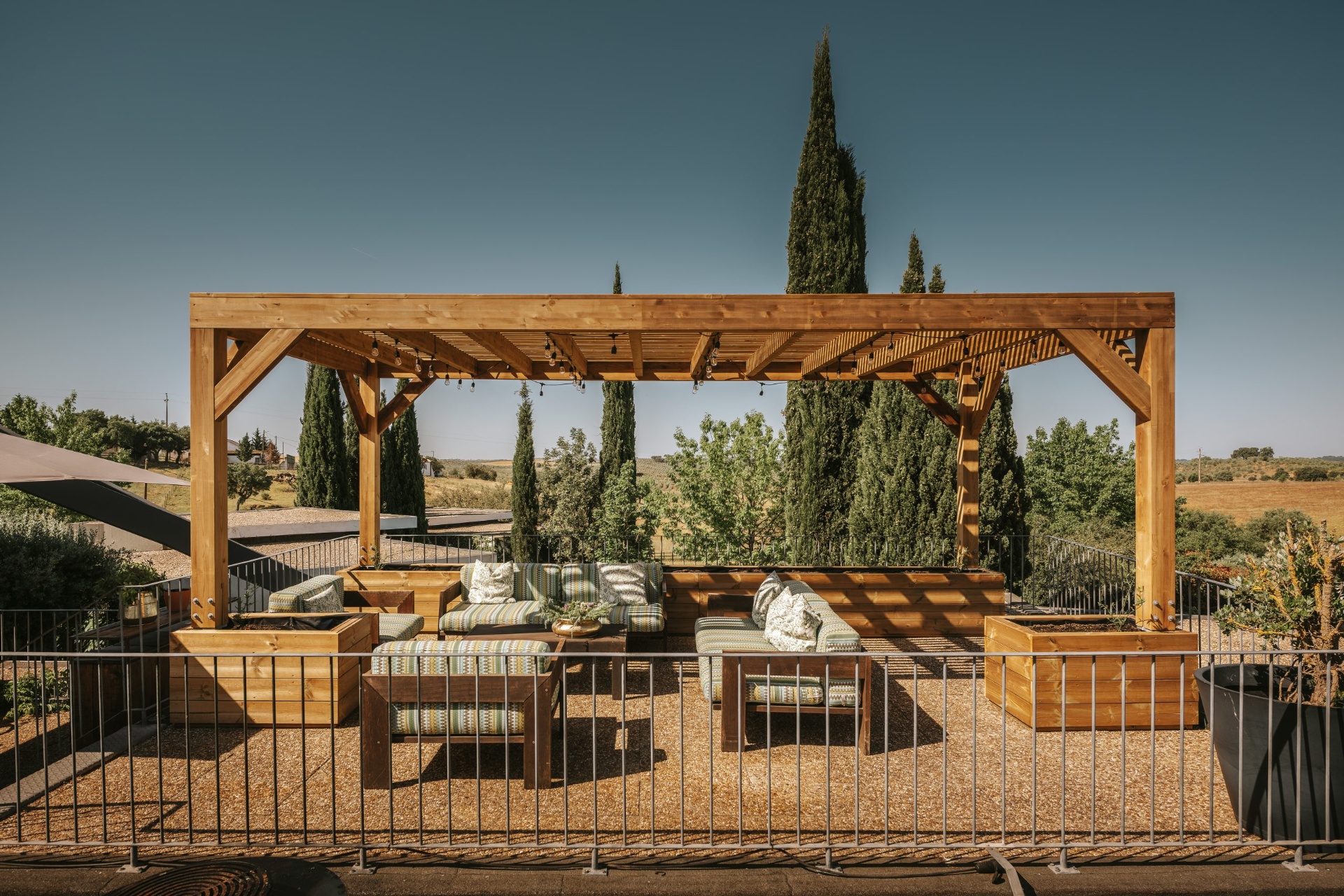
Herdade da Cortesia · Alentejo
Long lunches under the pergola — nothing scheduled after.
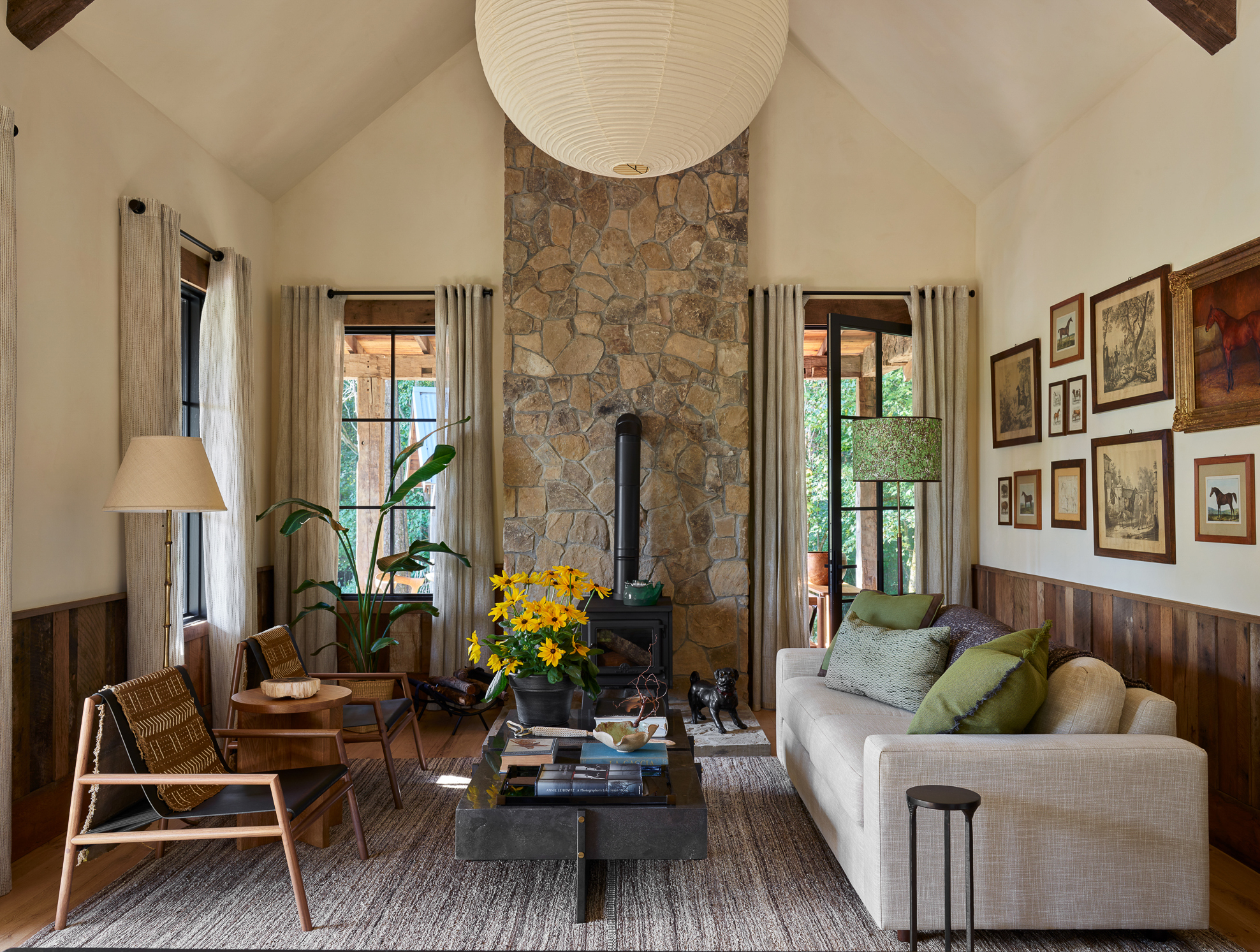
Quercus · Georgia, USA
Biodynamic gardens that teach the plate before they fill it.
Belonging predicts longevity by a margin comparable to quitting smoking — Holt-Lunstad's 2010 meta-analysis of 148 studies.
Culture Restores Through Belonging
Belonging, Blue Zones, and the flow of a shared table
Wellness research has increasingly turned toward a finding that surprises people who equate self-care with solitude. In 2010, Brigham Young University psychologist Julianne Holt-Lunstad and her colleagues analysed 148 studies covering more than 300,000 people and found that strong social relationships predicted a longer life by a margin comparable to quitting smoking, and by a wider margin than exercising regularly or avoiding obesity. A 2015 follow-up narrowed the finding further: loneliness and social isolation each raised the odds of early death by roughly a quarter to a third, independent of other health factors.
Longevity researcher Dan Buettner found something similar studying the world's so-called Blue Zones — the handful of regions, from Sardinia to Okinawa, where people reach one hundred at markedly higher rates. Nearly all of them share dense webs of relationship: elders folded into daily life, skills passed hand to hand, meals eaten together rather than alone. Culture, in other words, functions less like decoration on a trip and more like one of the more reliably protective inputs into a person's health.
The Blue Zones — from Sardinia to Okinawa — share coastlines, unhurried horizons and lives braided into community.
Few properties understand this as intuitively as Dwarika's Resort in Nepal. Rather than preserving heritage behind glass, Dwarika's makes it something guests participate in — carving traditional wooden motifs alongside master artisans, sharing tea with the founder's family while discussing the preservation of Nepal's architectural legacy, and eating slow, multi-course Nepalese meals sourced from organic farms. Psychologist Mihaly Csikszentmihalyi, who spent decades studying what he named flow, would recognise what happens at the carving table: attention narrows pleasantly around craft, and the background noise of daily worry tends to fall away.
High in Peru's Sacred Valley, El Albergue Ollantaytambo offers a different route to the same effect. Positioned beside the historic train station to Machu Picchu, the family-run inn invites travellers to slow down before rushing toward Peru's most famous ruin. On its organic farm, Andean agricultural traditions continue: pachamanca feasts cooked beneath the earth, coffee roasted from local high-altitude beans, spirits distilled from regional botanicals. Its educational initiatives like Casa Kuska give guests a sense of contributing to something larger than the trip itself.
Culture unfolds more quietly aboard Antara Luxury River Cruises, where India's sacred rivers become a kind of moving classroom. Small vessels carrying relatively few guests prioritise genuine encounter over crowded excursion. Travellers visit artisan weaving villages by electric rickshaw, wander food markets, and take in landscapes that have shaped Indian civilisation for centuries.
In Morocco's High Atlas Mountains, Kasbah du Toubkal offers perhaps the plainest reminder that connection, not conquest, is the point. Reachable only by foot or mule, the journey itself becomes part of the experience. Reaching a summit matters less here than understanding the people who have called these mountains home.
Members Practising Connection Through Culture
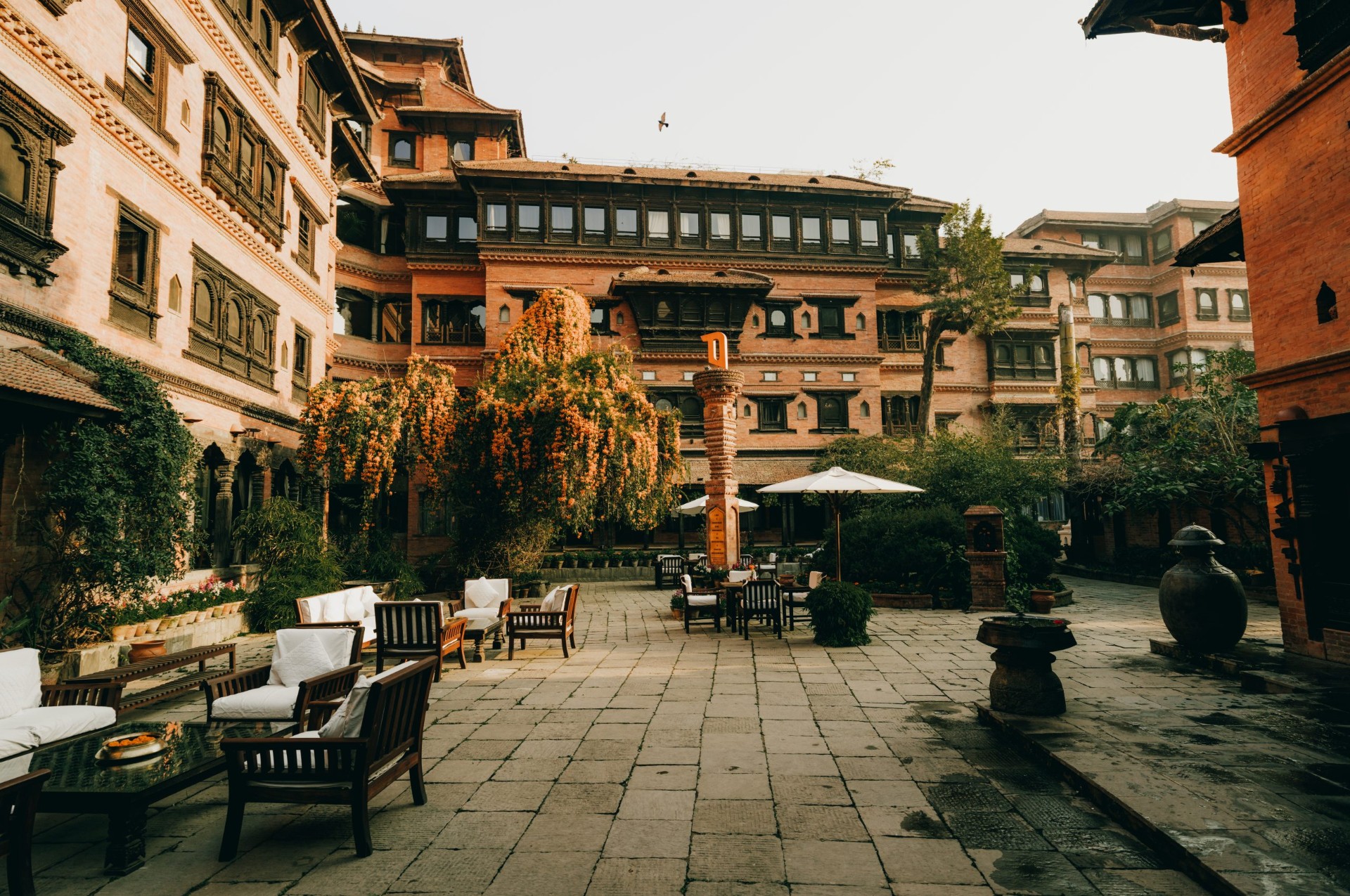
Dhulikhel, Nepal
Dwarika's Resort
Carve alongside master artisans, share tea with the founder's family, and walk Pashupatinath at dawn.
View Property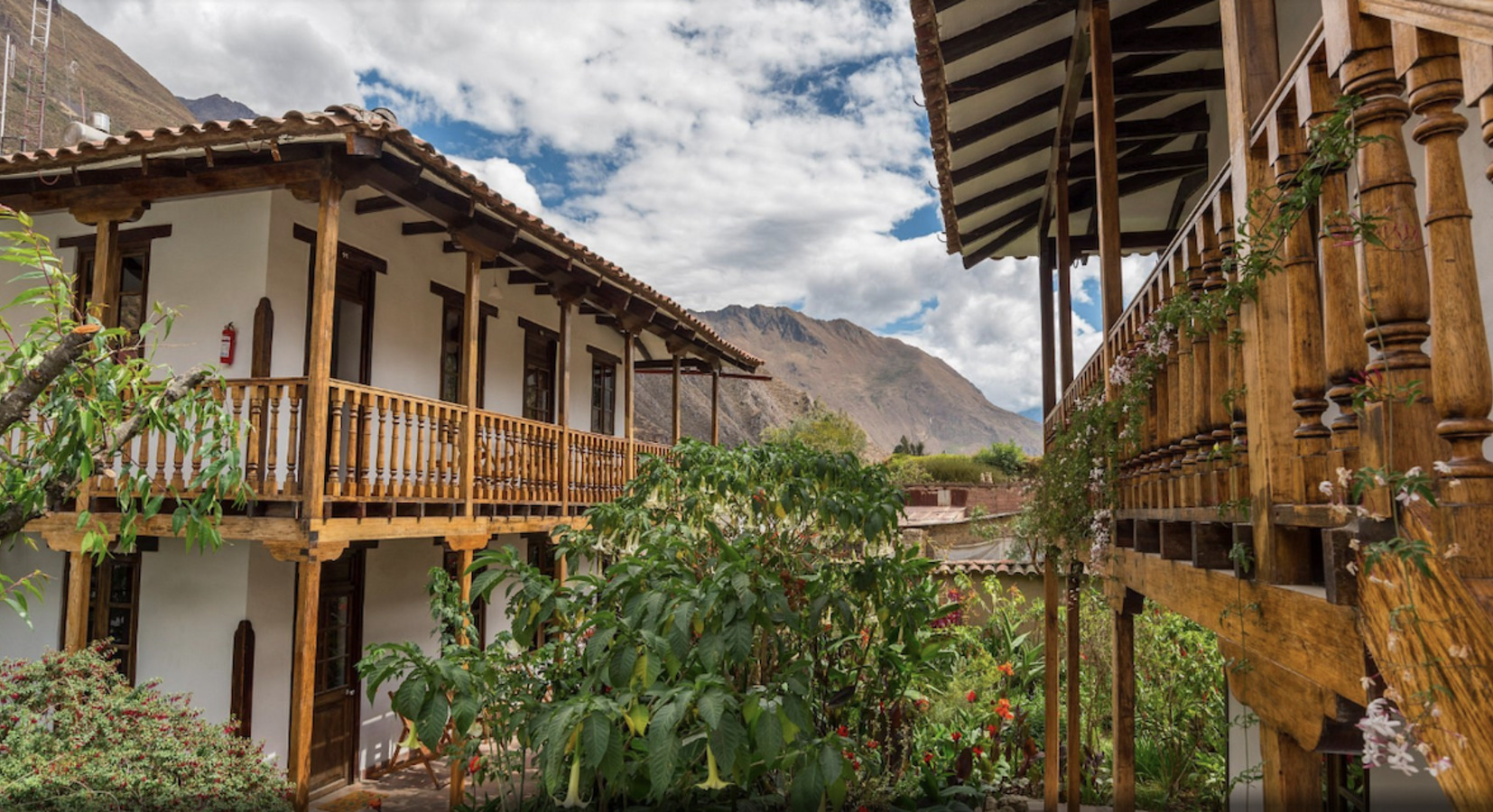
Sacred Valley, Peru
El Albergue Ollantaytambo
A family-run inn beside the Machu Picchu train station — pachamanca feasts, Andean coffee and Casa Kuska community programs.
View Property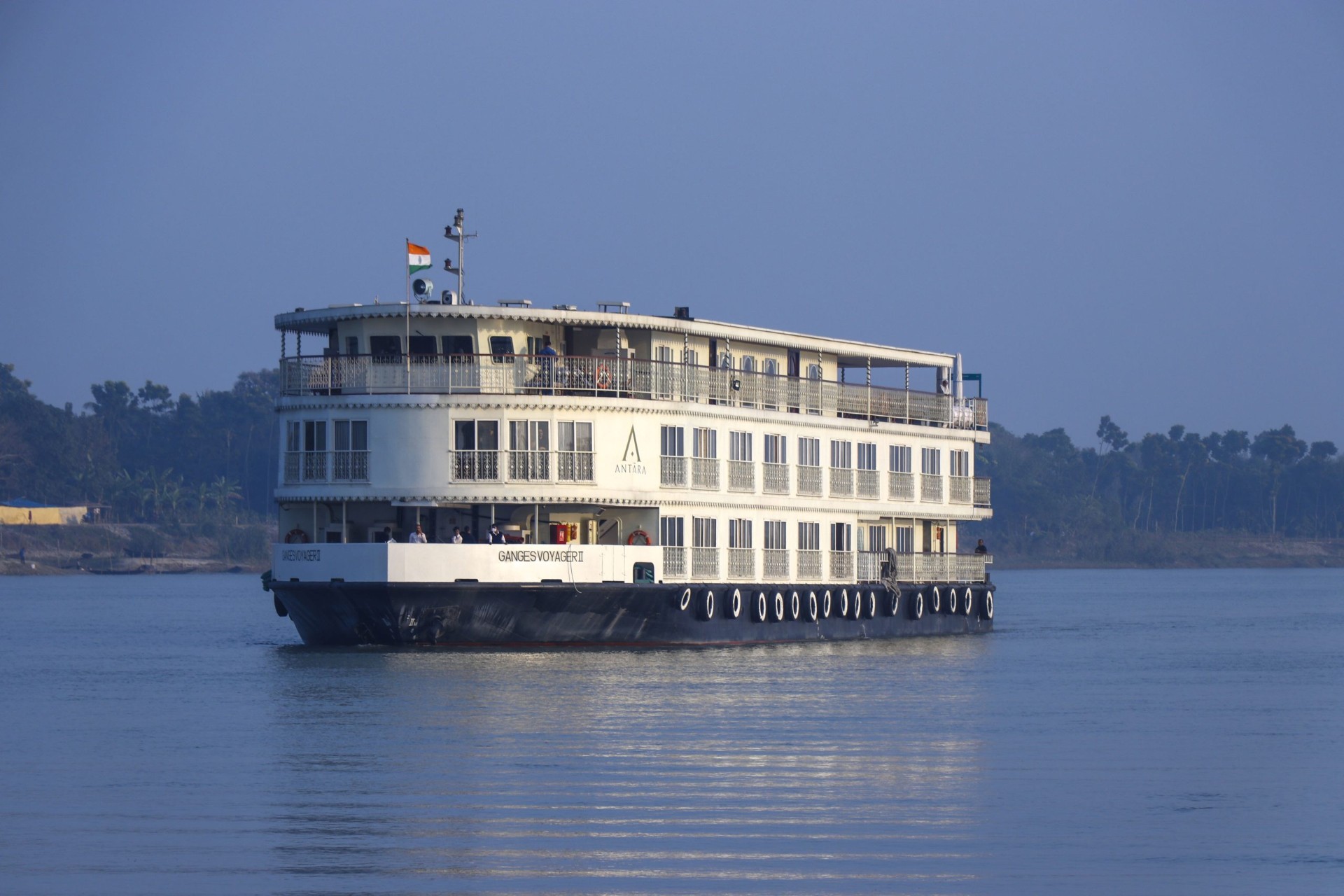
Ganges & Brahmaputra, India
Antara Luxury River Cruises
Small vessels, artisan-weaving villages by electric rickshaw and riverbank recipes — every mile adds to the place.
View Property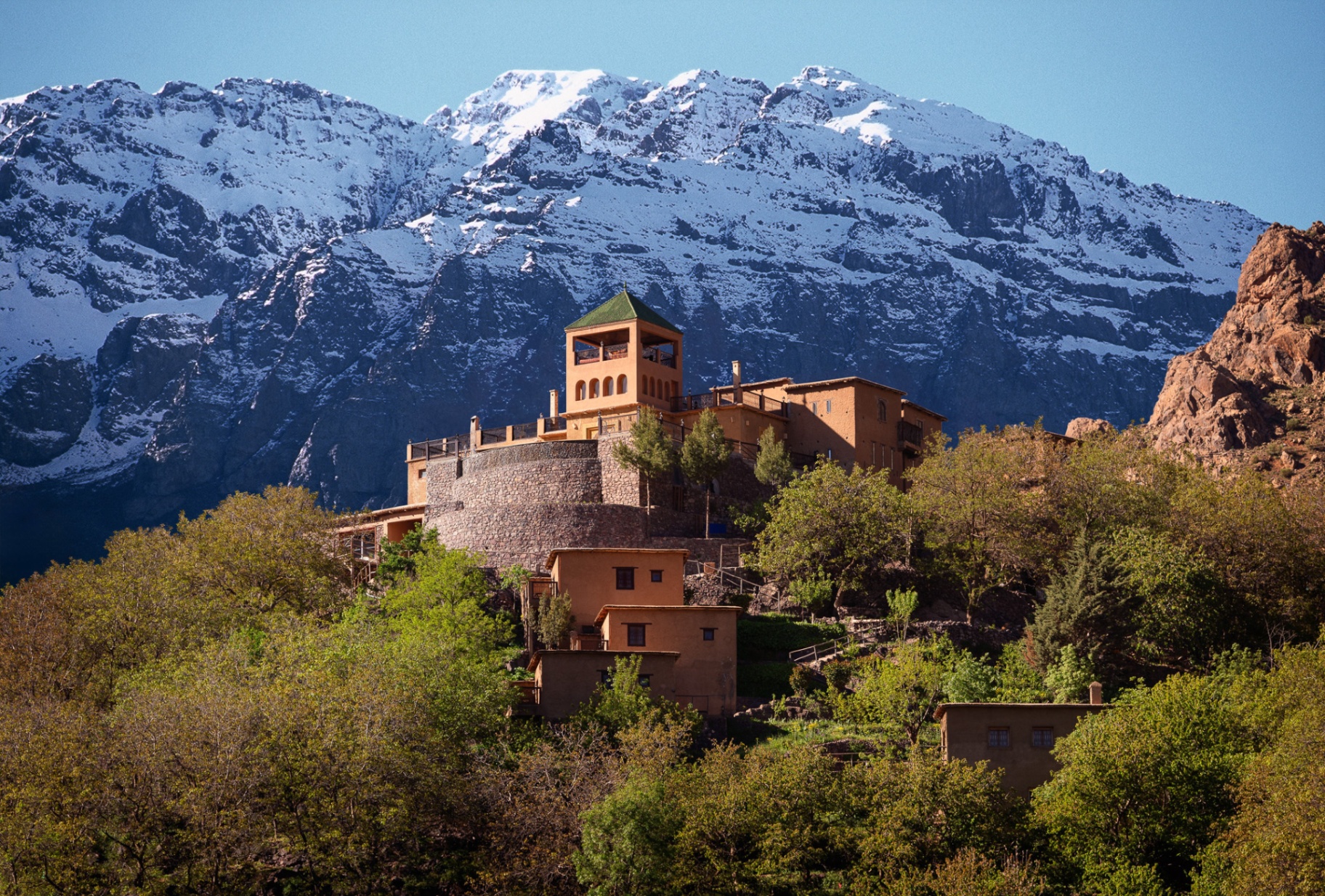
High Atlas, Morocco
Kasbah du Toubkal
Reachable only by foot or mule, built alongside Berber neighbours — the journey itself is the experience.
View Property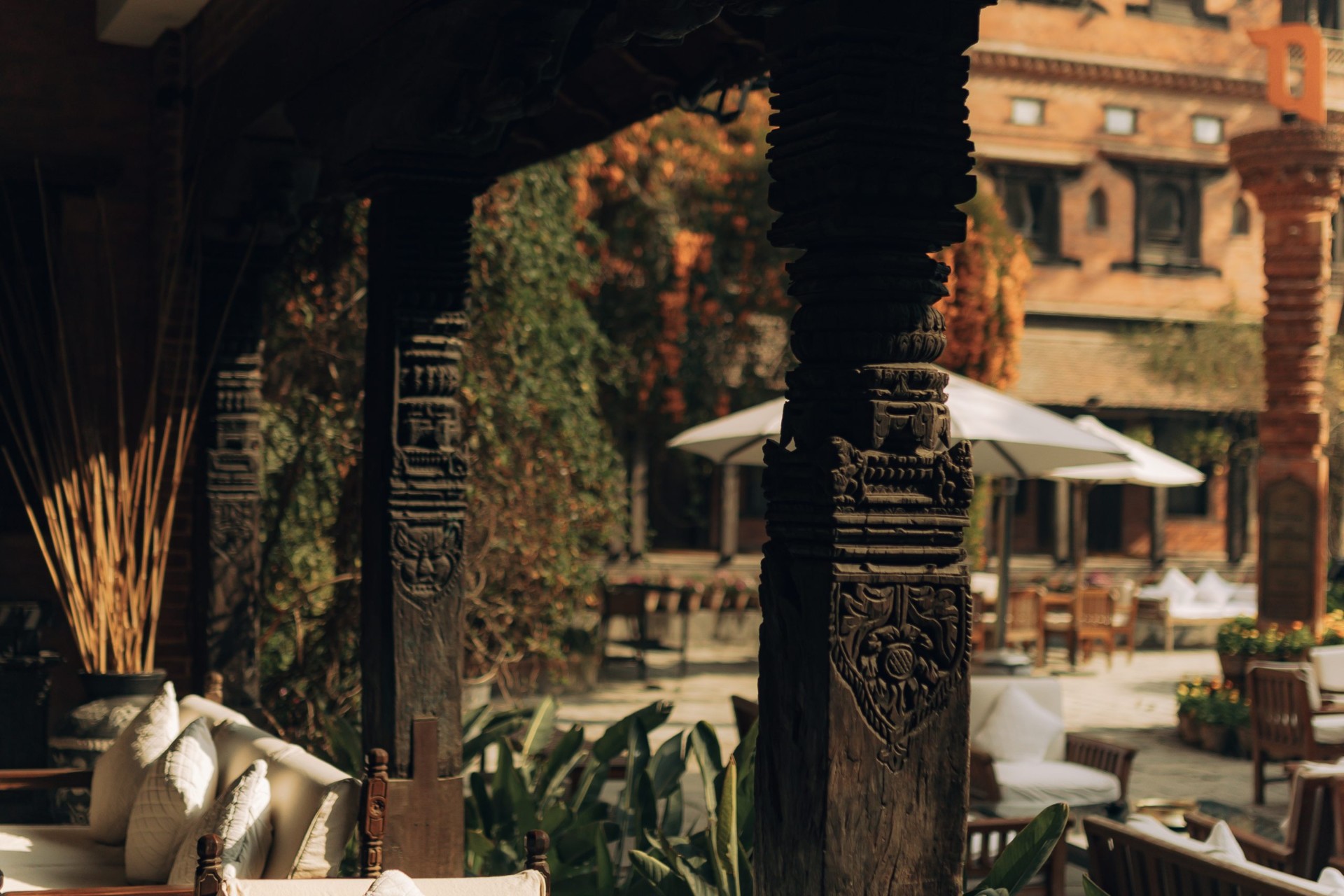
Dwarika's Resort · Nepal
Carved pillars saved and re-set — heritage that guests can touch.
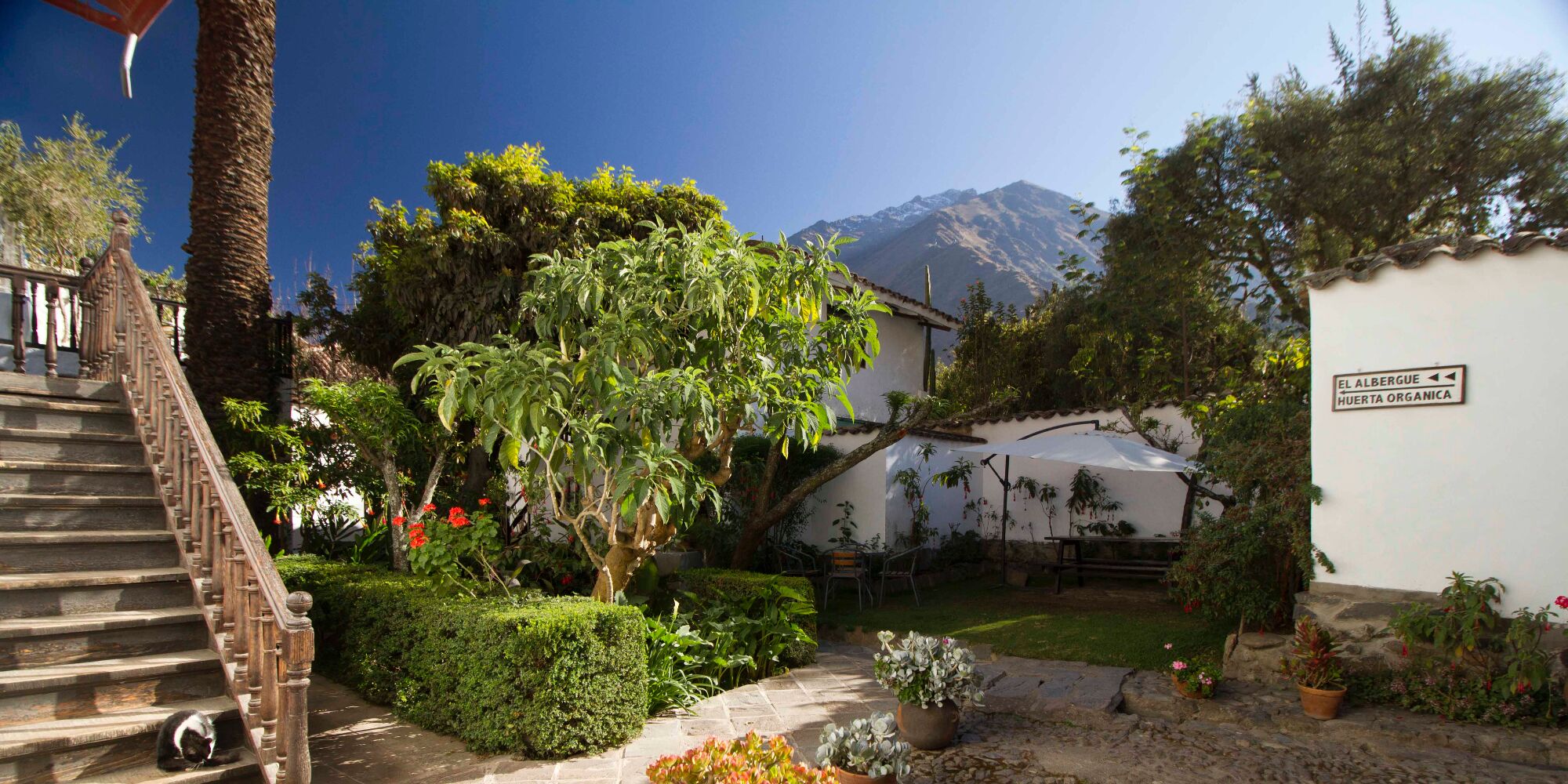
El Albergue · Sacred Valley
A garden that supplies the pachamanca beneath the earth.
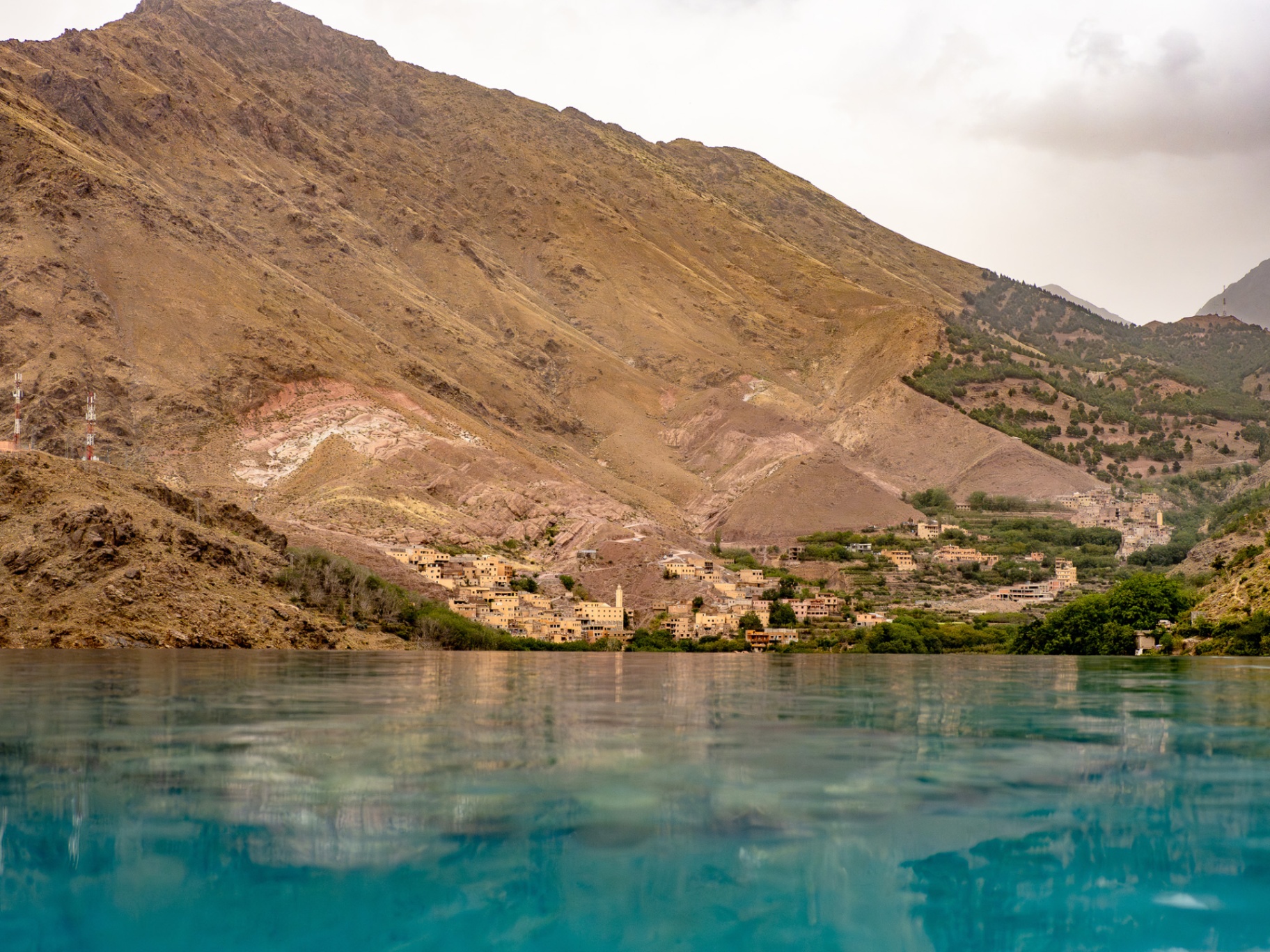
Kasbah du Toubkal · High Atlas
Reachable only by foot or mule — the journey is the experience.
Vagal tone rises with slow breathing, wide horizons and quiet natural settings — a trainable skill, not a luxury.
Stillness Is a Nervous System Skill
Polyvagal theory, awe walks, and the physiology of rest
Stillness is often mistaken for the mere absence of noise. Physiologically, it is something more active: the shift from a sympathetic, on-alert nervous state into a parasympathetic one — the "rest and digest" mode governed largely by the vagus nerve. Neuroscientist Stephen Porges, whose polyvagal theory has reshaped how researchers think about stress recovery, describes this shift as a kind of physiological switch rather than a gradual fade. Slow breathing, prolonged eye contact with a horizon, and time spent in quiet natural settings all measurably raise what researchers call vagal tone, a marker read through heart rate variability and linked to better mood regulation, digestion and stress recovery. Practised regularly, stillness is less a luxury than a trainable skill — and a growing number of destinations are built to teach it.
In Northern Europe's highest inhabited mountain village, Skåbu Fjellhotell offers a rare invitation to return to nature's pace. Surrounded by Norway's Huldreheimen mountains, the boutique retreat shapes its days around presence rather than urgency: leading a dog-sled team across untouched terrain, paddling quiet rivers in search of wildlife, hiking toward ancient farms, or watching moose move through one of Europe's largest migration routes. At nearby Lykkja Mountain Farm, twenty-five preserved buildings dating to the fifteenth through eighteenth centuries keep Norwegian mountain heritage alive, while back at the hotel, zero-food-waste initiatives, local sourcing and the on-site Food Lab extend the same attentiveness to what sustains the body as to what calms it.
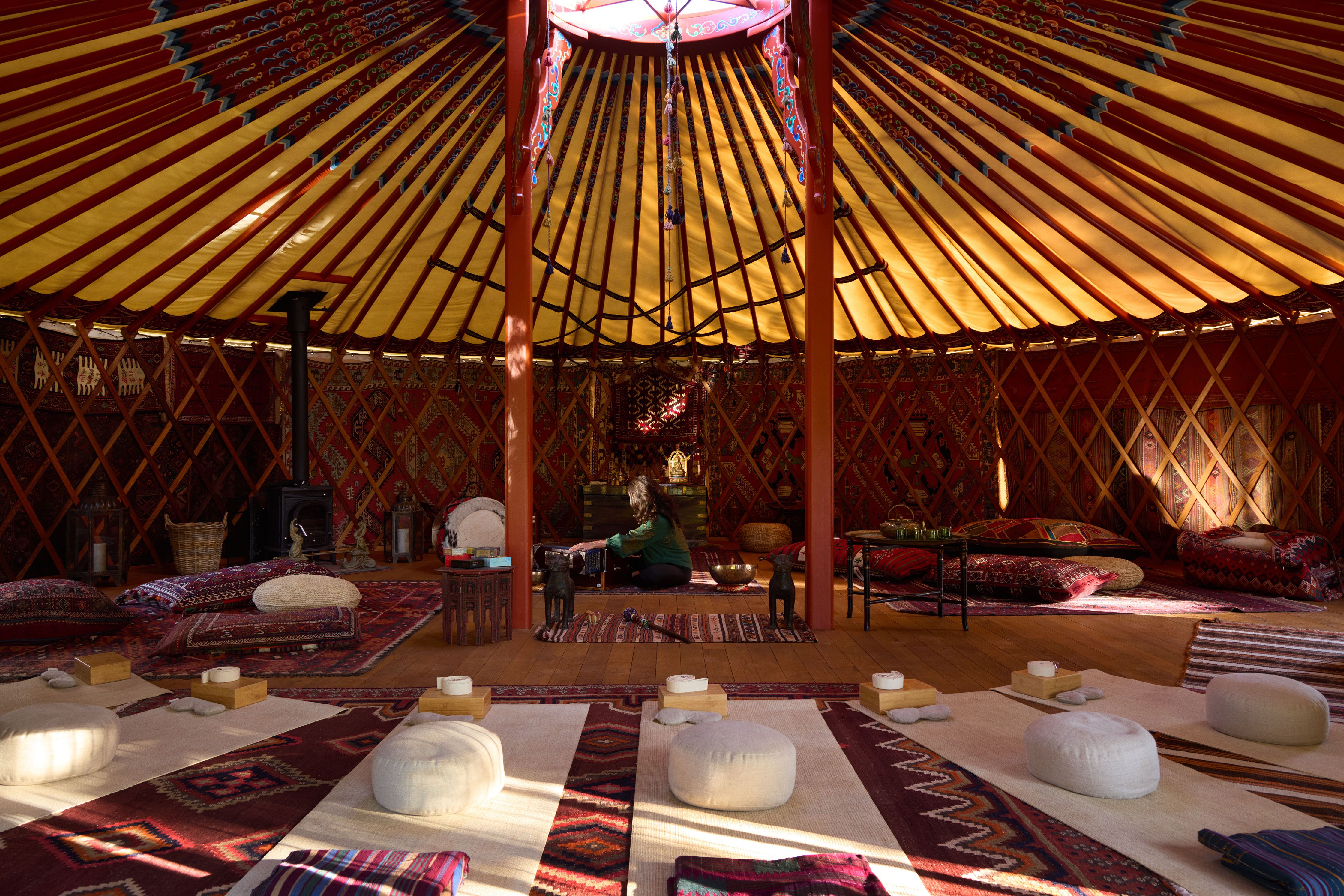
In South Africa's Western Cape, Sterrekopje Farm explores stillness as an inward journey. Built around rest, rejuvenation and reconnection, the historic farm operates a closed-loop ecosystem free of synthetic chemicals — its biodynamic gardens and heritage orchards feeding what the property calls soil-to-soul dining. In the Bath House, ancient rituals, sound healing and personalised treatments create intentional pauses. Guests gather beneath a Mongolian yurt for yoga, breathwork and ceremony, work in an open atelier, or visit the herbal apothecary where garden-grown plants become teas, oils and remedies. Here, stillness works less like something stumbled into after disconnecting and more like a muscle, trained on purpose through repetition.
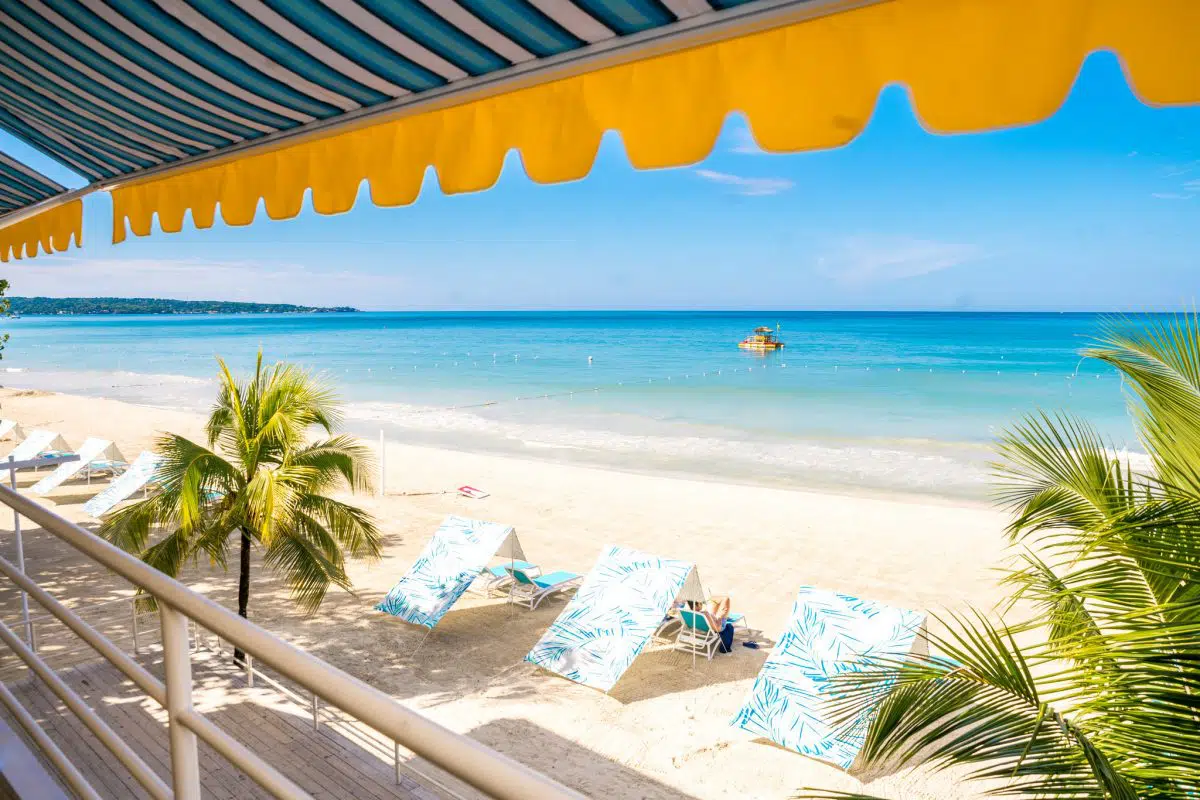
On Jamaica's Seven Mile Beach, Skylark Negril shows that stillness can also arrive through simplicity and community. Retro Caribbean design meets a beachfront setting and a locally rooted identity, with days unfolding between turquoise water, open-air massage and sunsets set to reggae. A 100% Jamaican team, support for local artisans and a partnership with the Rockhouse Foundation — which has invested millions into education across the island — mean the calm on offer here is inseparable from the community that sustains it.
Berkeley psychologist Dacher Keltner has spent much of his career studying awe, the emotion triggered by encountering something vast and hard to fully explain. Across six separate studies, his team found that people who experience more awe in daily life report measurably lower daily stress — an effect that held even after accounting for other positive emotions, and that translated into higher overall life satisfaction. A 2020 UC San Francisco study led by neuroscientist Virginia Sturm found that older adults who took a weekly fifteen-minute "awe walk," deliberately aiming their attention outward at the vastness of their surroundings rather than inward at their own thoughts, reported measurably more gratitude and less daily distress after eight weeks. A place built specifically to protect that kind of quiet makes the practice considerably easier to start.
Members Practising Recovery Through Stillness
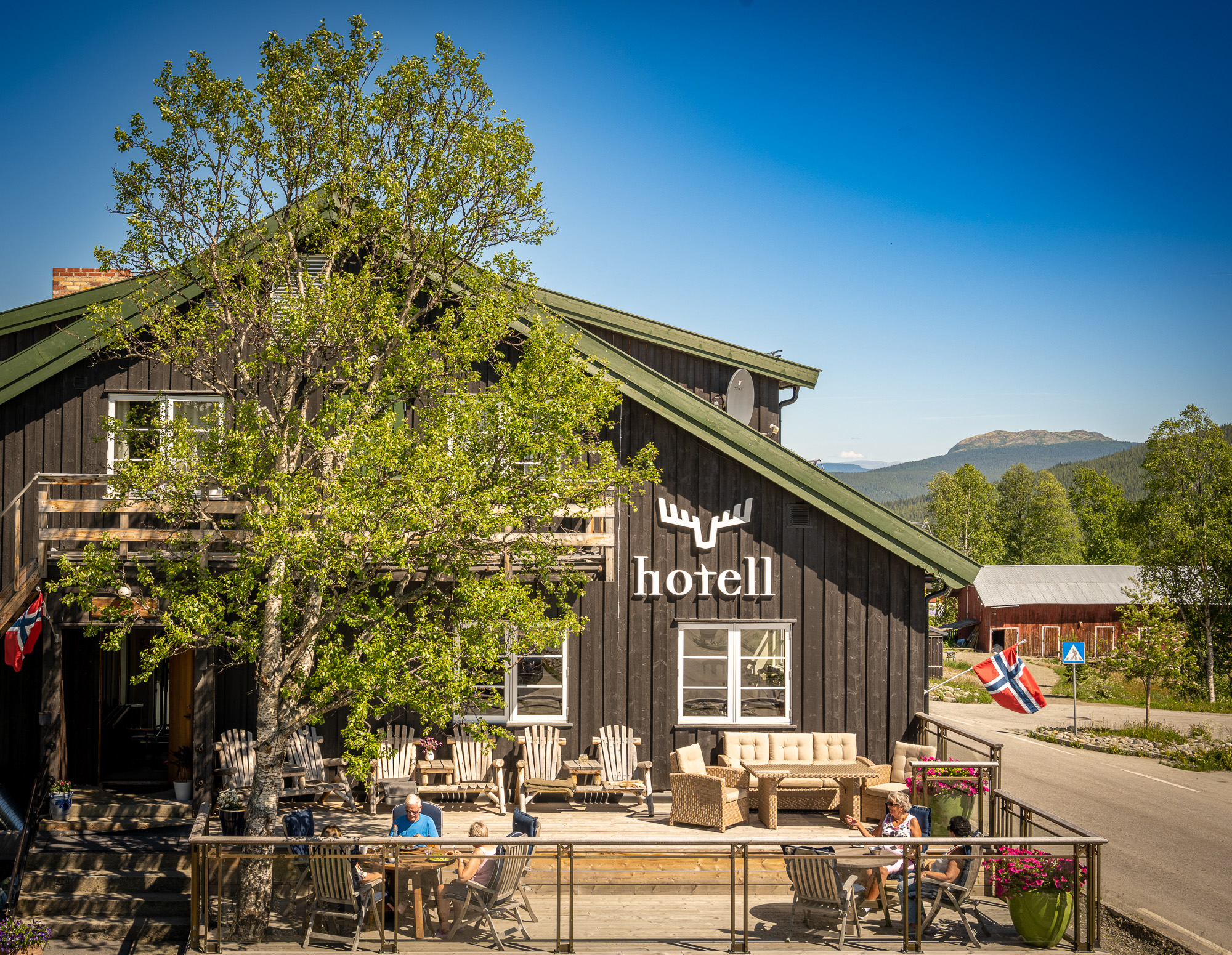
Huldreheimen, Norway
Skåbu Fjellhotell
Northern Europe's highest inhabited mountain village — dog-sledding, quiet rivers and one of Europe's largest moose migration routes.
View Property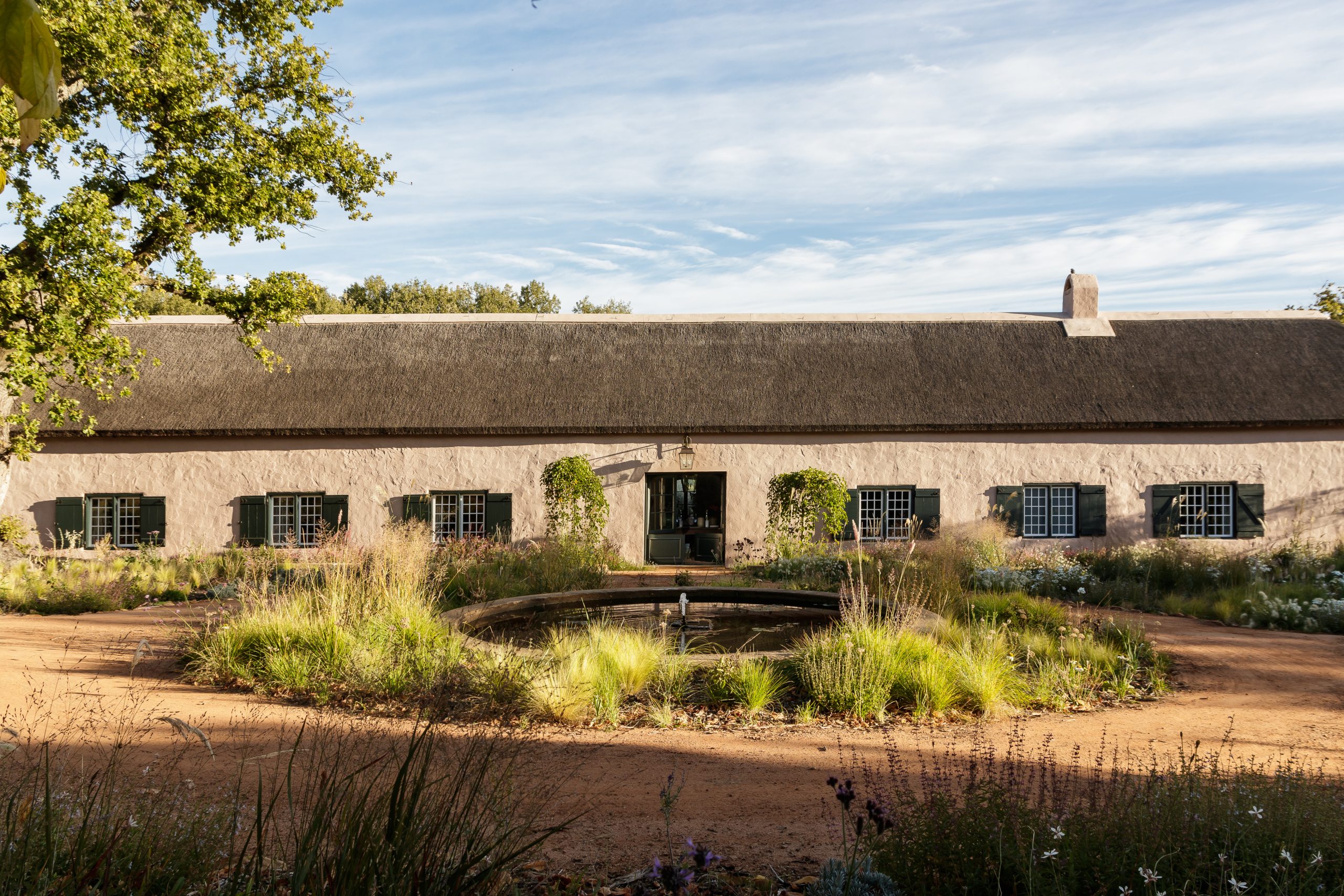
Western Cape, South Africa
Sterrekopje Farm
A closed-loop biodynamic farm built around rest — Bath House rituals, Mongolian-yurt gatherings and soil-to-soul dining.
View Property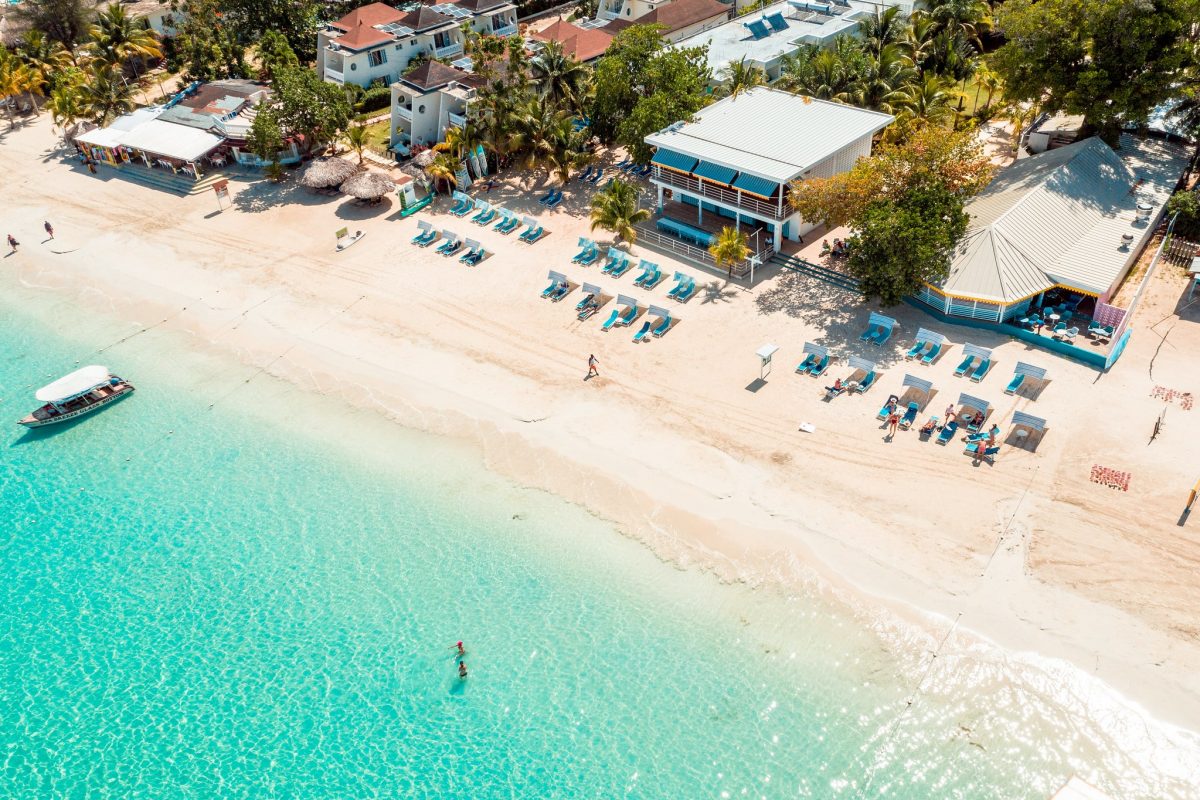
Seven Mile Beach, Jamaica
Skylark Negril
Retro Caribbean design, a 100% Jamaican team and a partnership with the Rockhouse Foundation — stillness inseparable from community.
View Property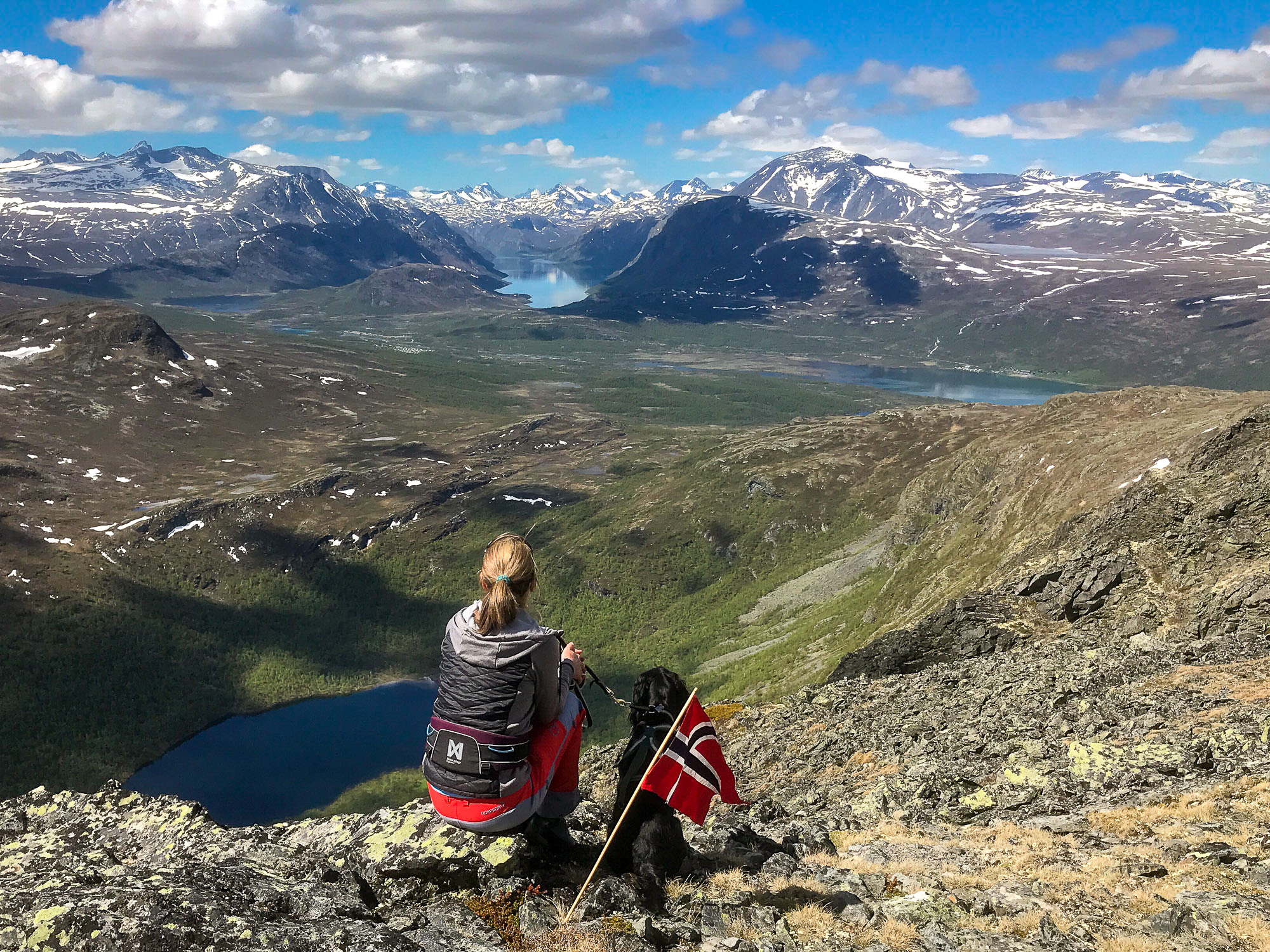
Skåbu Fjellhotell · Norway
Learning to move within a landscape rather than conquer it.
Sterrekopje Farm · Western Cape
Yoga, breathwork and ceremony under the Mongolian yurt.
Skylark Negril · Jamaica
Stillness inseparable from the community that sustains it.
A Framework, Not a Souvenir
Three access points to the same underlying system
Land, culture and stillness work less like separate ingredients in a well-designed trip and more like three access points to the same underlying system — the body's capacity to shift out of stress and into recovery. The land offers the kind of soft attention that lets an overworked mind rest. Culture offers the belonging that research keeps linking to long-term health. Stillness offers the nervous system practice of coming fully back into the present moment.
None of this requires believing that travel is the only way to access these states. What a well-designed regenerative trip offers is something more like a concentrated course, days spent practising skills that are otherwise easy to neglect at home: noticing rather than consuming, connecting rather than transacting, resting rather than merely stopping.
The most restorative journeys, then, may not be the ones that cover the most distance. They may simply be the ones that leave a traveller more able to recognise, once home, exactly what the body was asking for all along.
Sources
- [1]Kaplan, R., & Kaplan, S. (1989). The Experience of Nature: A Psychological Perspective. Cambridge University Press. See also Kaplan, S. (1995). The restorative benefits of nature: Toward an integrative framework. Journal of Environmental Psychology, 15(3), 169–182.
- [2]Ulrich, R. S., Simons, R. F., Losito, B. D., Fiorito, E., Miles, M. A., & Zelson, M. (1991). Stress recovery during exposure to natural and urban environments. Journal of Environmental Psychology, 11(3), 201–230.
- [3]Ulrich, R. S. (1984). View through a window may influence recovery from surgery. Science, 224(4647), 420–421.
- [4]Li, Q. (2022). Effects of forest environment (Shinrin-yoku/Forest bathing) on health promotion and disease prevention: the establishment of "Forest Medicine." Environmental Health and Preventive Medicine, 27, 43.
- [5]Hunter, M. R., Gillespie, B. W., & Chen, S. Y. P. (2019). Urban nature experiences reduce stress in the context of daily life based on salivary biomarkers. Frontiers in Psychology, 10, 722.
- [6]Holt-Lunstad, J., Smith, T. B., & Layton, J. B. (2010). Social relationships and mortality risk: A meta-analytic review. PLOS Medicine, 7(7), e1000316.
- [7]Holt-Lunstad, J., Smith, T. B., Baker, M., Harris, T., & Stephenson, D. (2015). Loneliness and social isolation as risk factors for mortality: A meta-analytic review. Perspectives on Psychological Science, 10(2), 227–237.
- [8]Buettner, D. Blue Zones research, National Geographic and bluezones.com; see also Buettner, D., & Skemp, S. (2016). Blue Zones: Lessons from the world's longest lived. American Journal of Lifestyle Medicine, 10(5), 318–321.
- [9]Csikszentmihalyi, M. (1990). Flow: The Psychology of Optimal Experience. Harper & Row.
- [10]Porges, S. W. (2011). The Polyvagal Theory: Neurophysiological Foundations of Emotions, Attachment, Communication, and Self-Regulation. W. W. Norton.
- [11]Bai, Y., Ocampo, J., Jin, G., Chen, S., Benet-Martinez, V., Monroy, M., Anderson, C., & Keltner, D. (2021). Awe, daily stress, and elevated life satisfaction. Journal of Personality and Social Psychology, 120(4), 837–860.
- [12]Keltner, D. (2023). Awe: The New Science of Everyday Wonder and How It Can Transform Your Life. Penguin Press.
- [13]Sturm, V. E., Datta, S., Roy, A. R. K., Sible, I. J., Kosik, E. L., Veziris, C. R., et al. (2020). Big smile, small self: Awe walks promote prosocial positive emotions in older adults. Emotion.
Where to stay
Suggested regenerative hotels
Continue the journey