What would you like to discover?
Ask about our member hotels, travel designers, magazine stories, events and membership.

Weaving Heritage into Hospitality
Luxury Made Local in Ladakh, India
In a region where imported glamour once defined luxury, Dolkhar offers a different vision — one rooted in Ladakh's soil, shaped by local hands, and led by women.
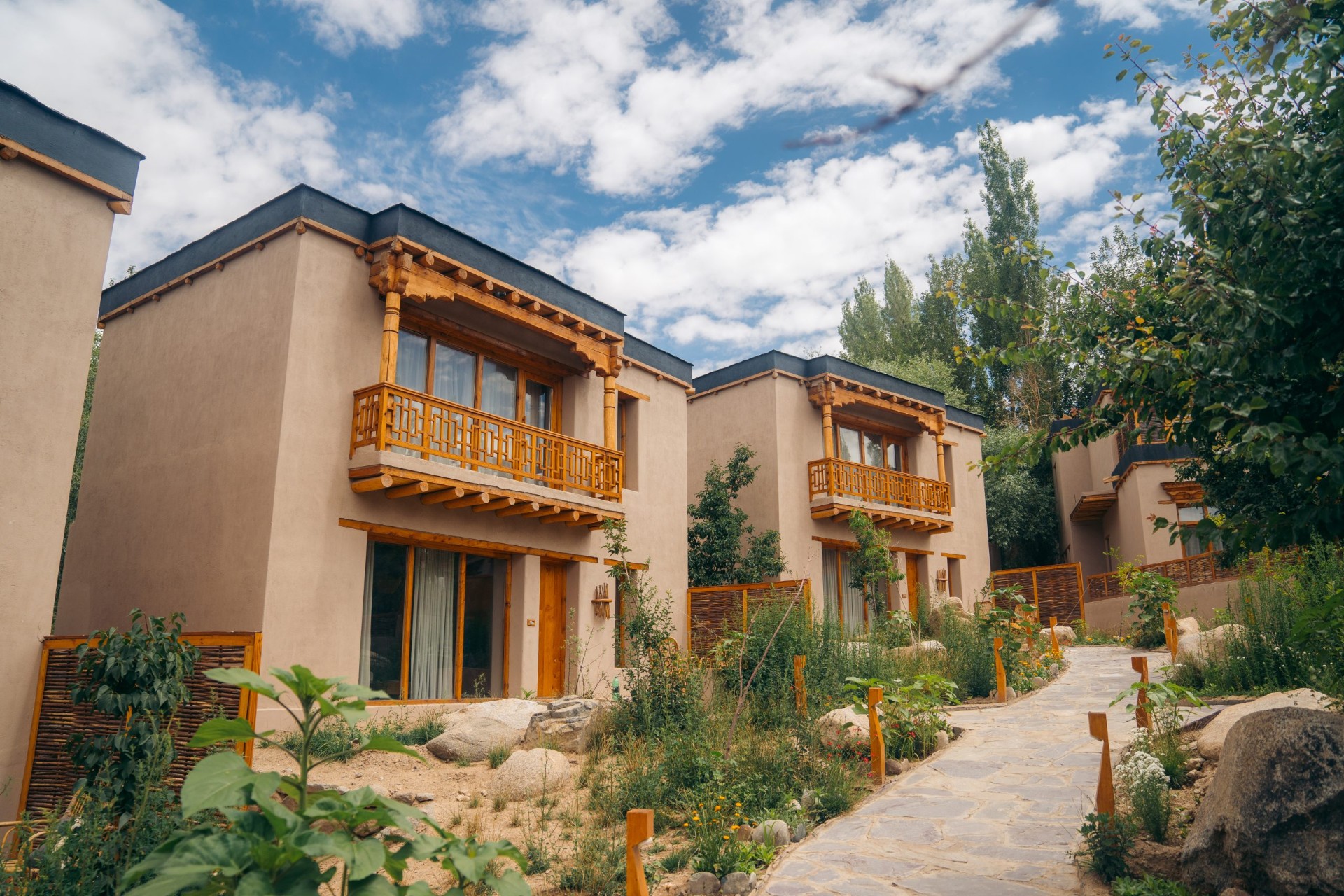
Built from reclaimed materials and guided by traditional craft, this boutique hotel redefines high-end hospitality as a celebration of community, heritage, and place.
Dolkhar rises from land once lovingly cultivated by generations of Ladakhis, where apricot trees still bloom beside the low hum of village life and the air smells like herbs and woodsmoke. The boutique hotel is shaped by memory, hands, and the brilliant strength of women whose work has long grounded family and community. At the heart of Dolkhar is a commitment to a different kind of luxury: one built from earth, shaped by community, and deeply embedded in place.
Where Memory Becomes Blueprint
Founder Rigzin Wangmo Lachic returned to her grandmother's land — and refused to waste any of it
Founder Rigzin Wangmo Lachic had grown up visiting Ladakh each summer and began to notice the gradual erosion of Ladakh's indigenous practices and the mounting pressure of conventional tourism, which mirrored the uniformity of hospitality elsewhere, rather than honouring the uniqueness of place.
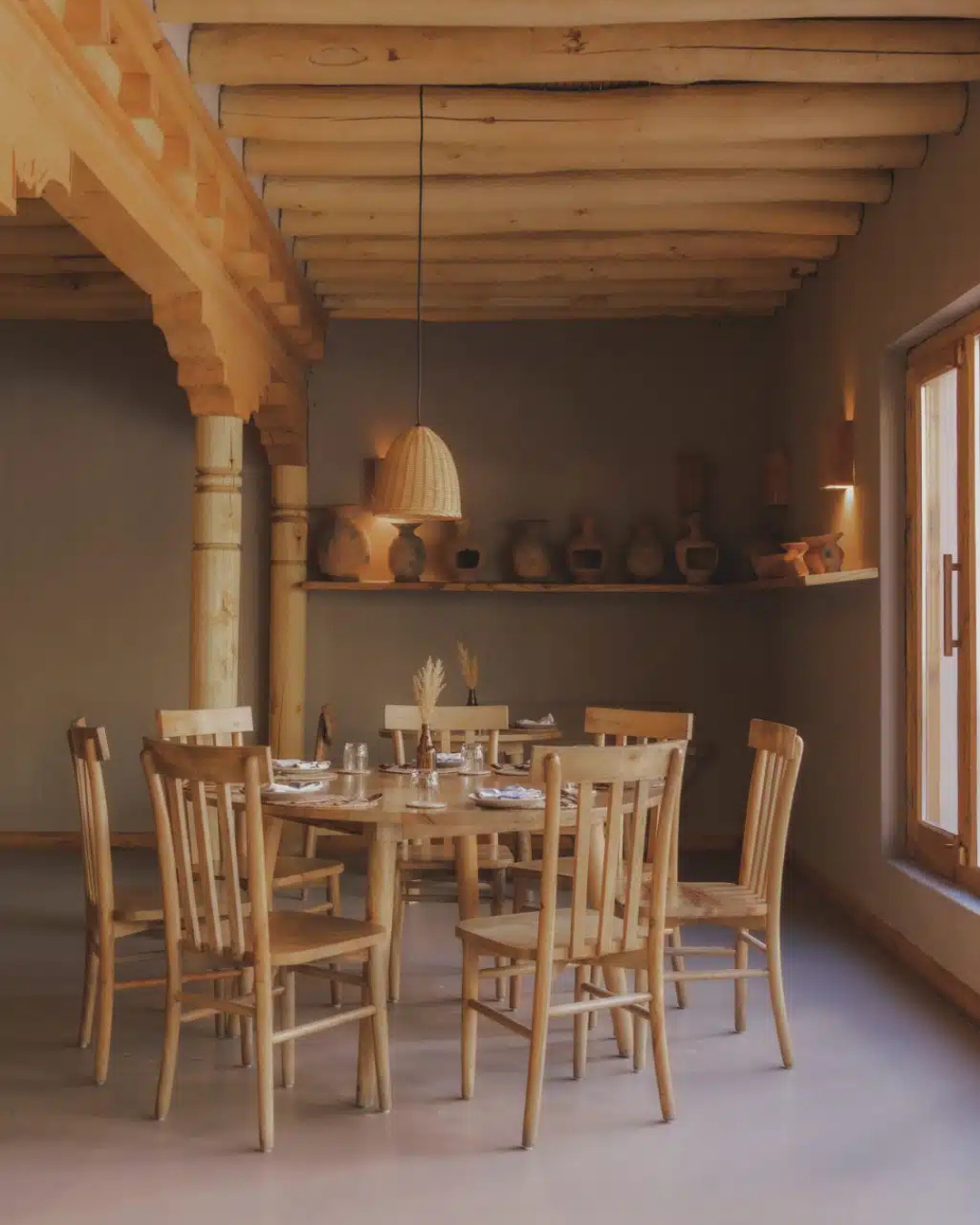
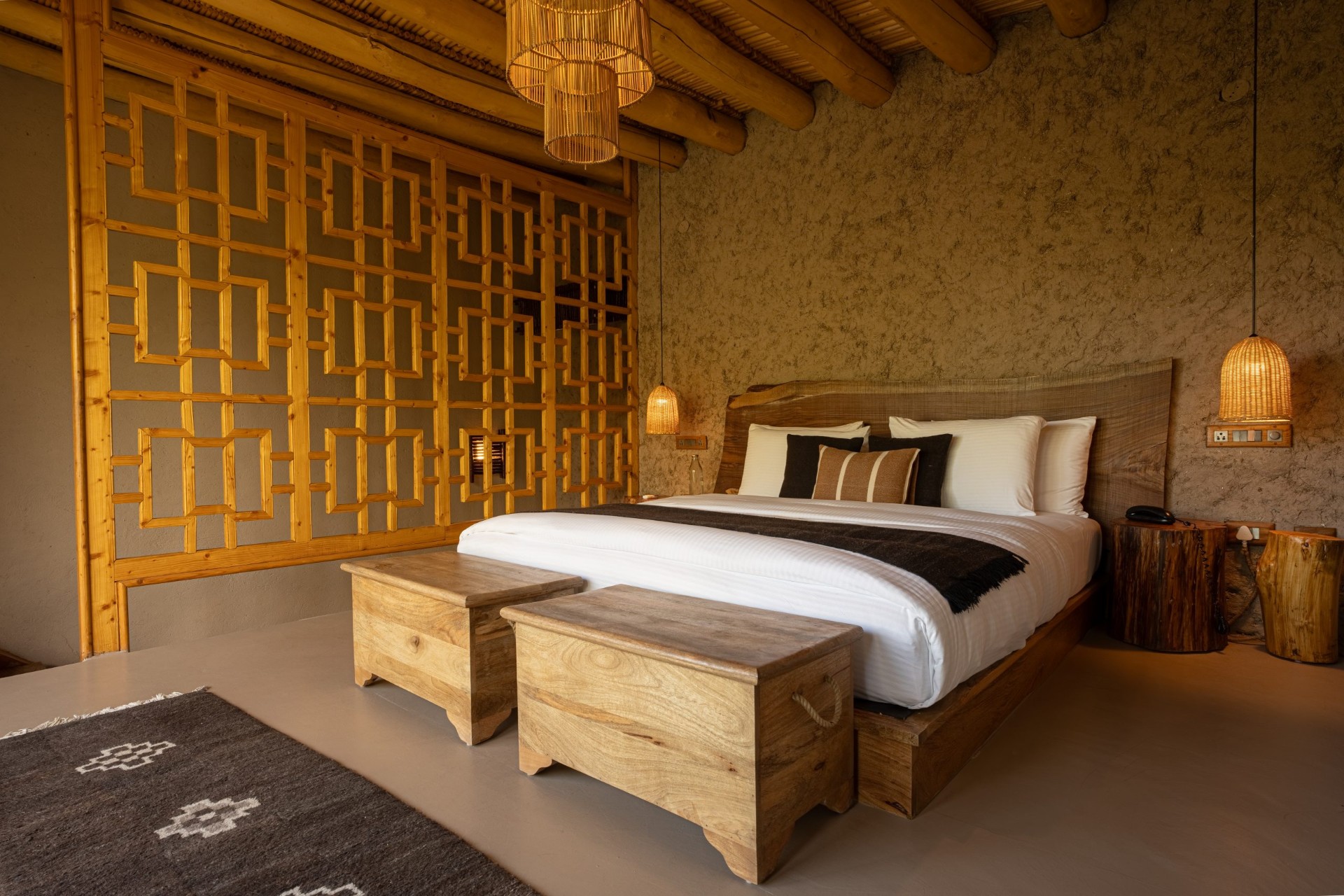
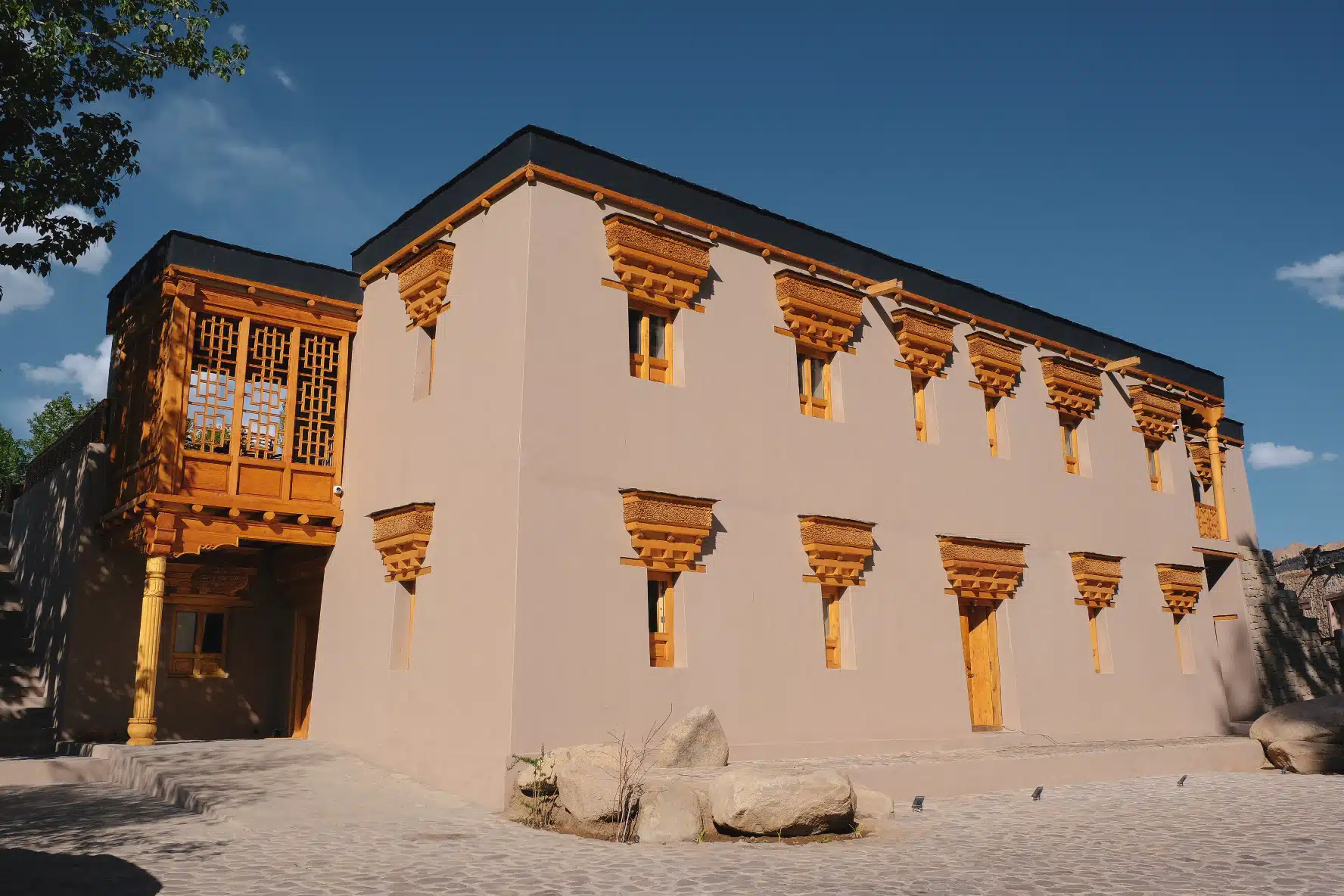
The land where Dolkhar now stands once held her grandmother's home. During its dismantling, Lachic was driven to ensure nothing was wasted. Wood, mud, and stone all returned to the ground or were salvaged for reuse. This experience became a blueprint. Dolkhar was built using only traditional construction techniques, avoiding modern cement in favor of rammed earth brick, timber, and stone, guided by elderly artisans who still remembered the old ways. The goal was not to mimic tradition for visual effect, but to build in a way that held meaning for those who lived here.
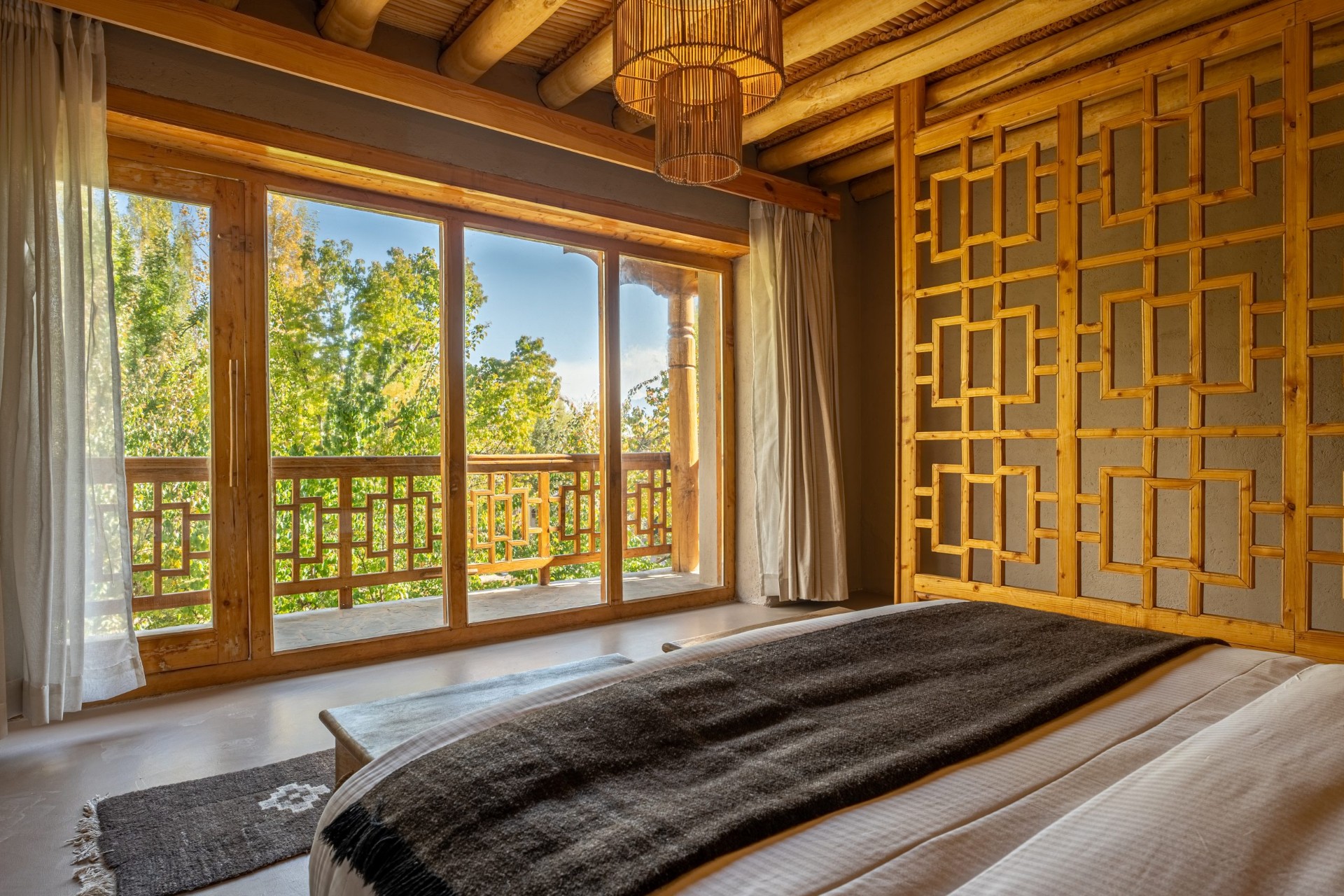
This reverence for local knowledge extends into every detail of the guest experience. Interiors at Dolkhar are anchored by handwoven rugs from weavers in Kharnak. "The women from Kharnak thought of their work as too traditional, too ordinary, and that visitors would not value it. But when they came to Dolkhar and saw their rugs and weaves placed thoughtfully in the villas, something shifted."
Even the light fixtures are made from waste wood and stitched together using traditional leather-tying techniques. Laundry bags are made from waste cloth sourced through PAGIR (People's Action Group Of Inclusion and Rights), reflecting commitment to reuse and environmental responsibility. The notepads placed in the villas are crafted from recycled paper, reinforcing Dolkhar's effort to minimize waste and reduce our ecological footprint. These are choices rooted in respect. Instead of importing goods from overseas, Dolkhar makes a statement: luxury can emerge from one's own soil and be shaped by one's own people.
"Every penny spent — as a business, as a traveler, as a visitor — is somewhere impacting the future of the place."
— Rigzin Wangmo Lachic, Founder of Dolkhar Ladakh
How Dolkhar Is Shifting the Role of Women in Ladakhi Tourism
Homestays and guesthouses are almost entirely run by women — yet leadership rarely reflects it
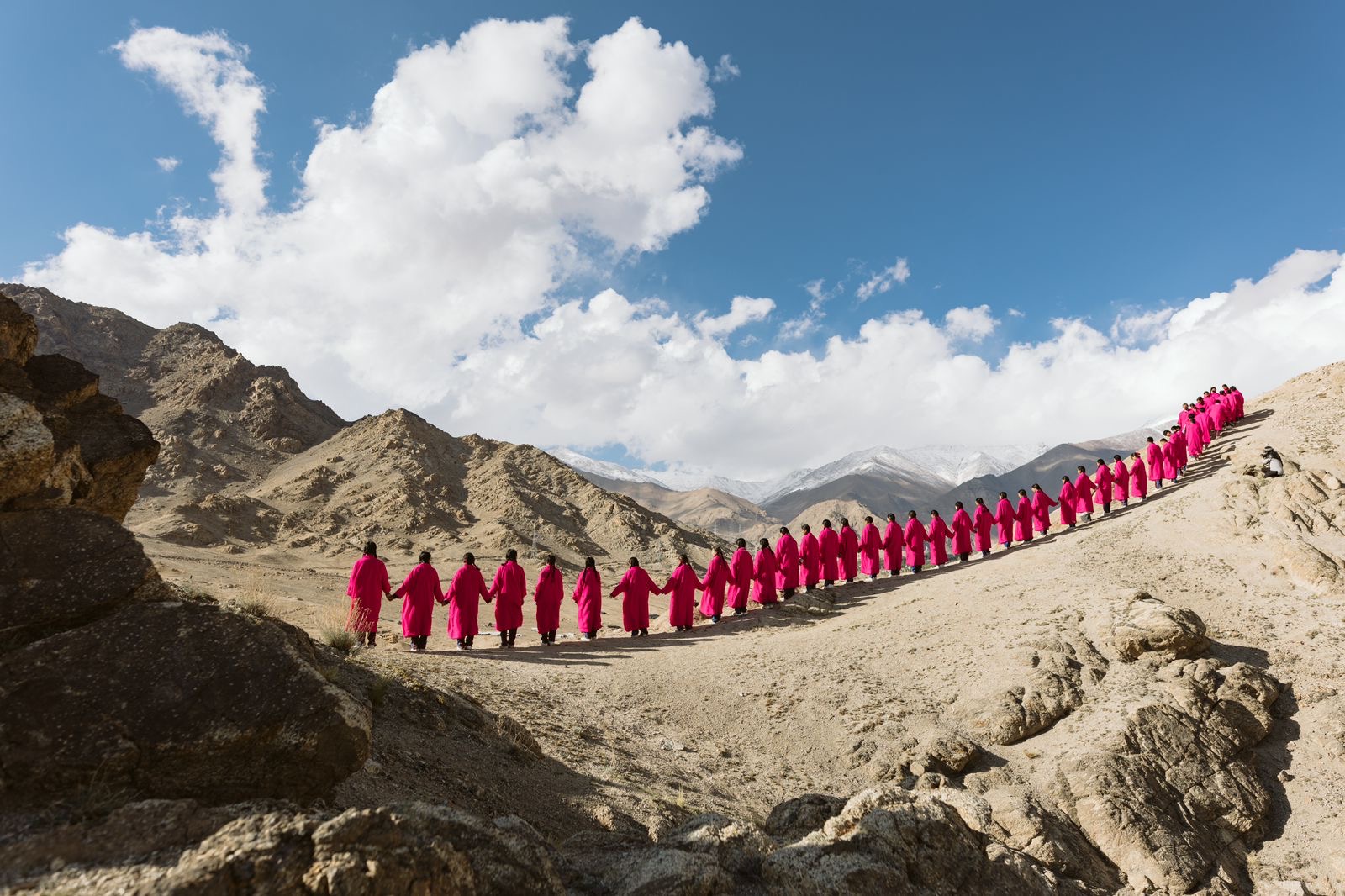
For women in particular, this philosophy is transformative. In the Himalayan region, women are often the invisible infrastructure of tourism. They run homestays, prepare food, manage supplies, and clean rooms. Yet, they rarely appear in leadership roles.
"We actually have more homestays and guest houses than hotels. And homestays and guest houses are almost entirely run by women… but we don't have women representatives. We don't have women decision-makers."
— Rigzin Wangmo Lachic
She is now the first female president of Ladakh's Hotel Association and is acutely aware of this gap. While her own leadership journey emerged organically — initially representing others in their search for government funding and later joining the association — she recognizes the need for more structured mentorship, access to capital, and spaces where women can come together. Dolkhar is trying to fill some of that void. Women from the surrounding community are employed, trained, and supported. Their crafts are not only featured in the hotel but sold directly to guests.
Through Hatti, a sister initiative born from Dolkhar's sourcing journeys, artisans gain visibility and income beyond a single commission. Beyond retail, Hatti reflects Dolkhar's mission of elevating traditional skills and building dignity around heritage work. They also expand this to guest experiences through immersive workshops with these craftspeople, providing travelers with the opportunity to learn directly from the makers. But this isn't an attempt to turn culture into performance. Rigzin is careful to avoid romanticizing Ladakhi life and explains that what is shared with guests emerges from daily reality, not from spectacle.
"The aim has never been to recreate a version of Ladakh that feels frozen in time… We focus on what continues to be part of everyday life."
— Rigzin Wangmo Lachic
The aim is not to reconstruct an imagined past but to offer what is already present if one pays attention.
A Kitchen Rooted in the Garden
Tsas: an avant-garde plant-based kitchen sourced from the garden and responsible local producers
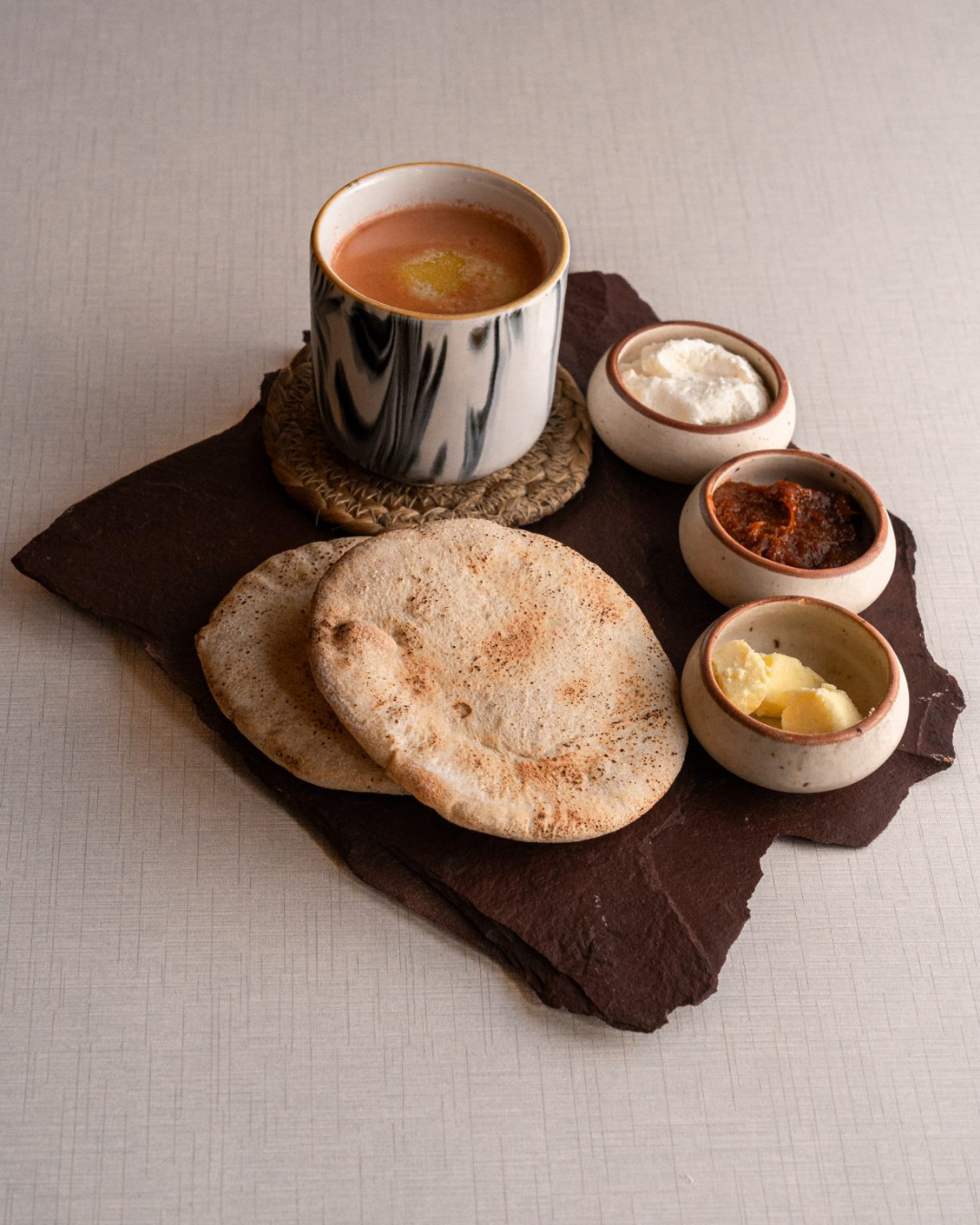
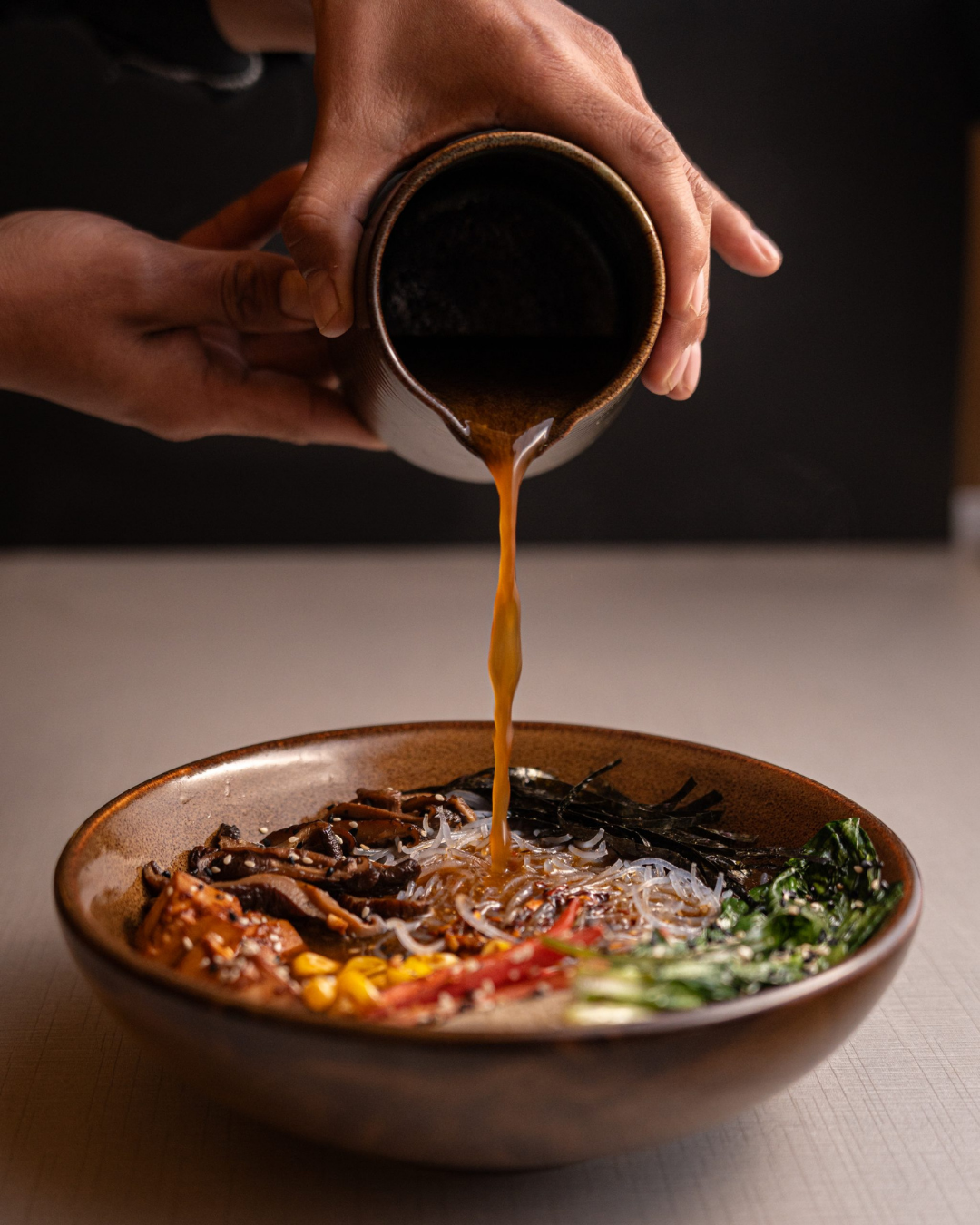
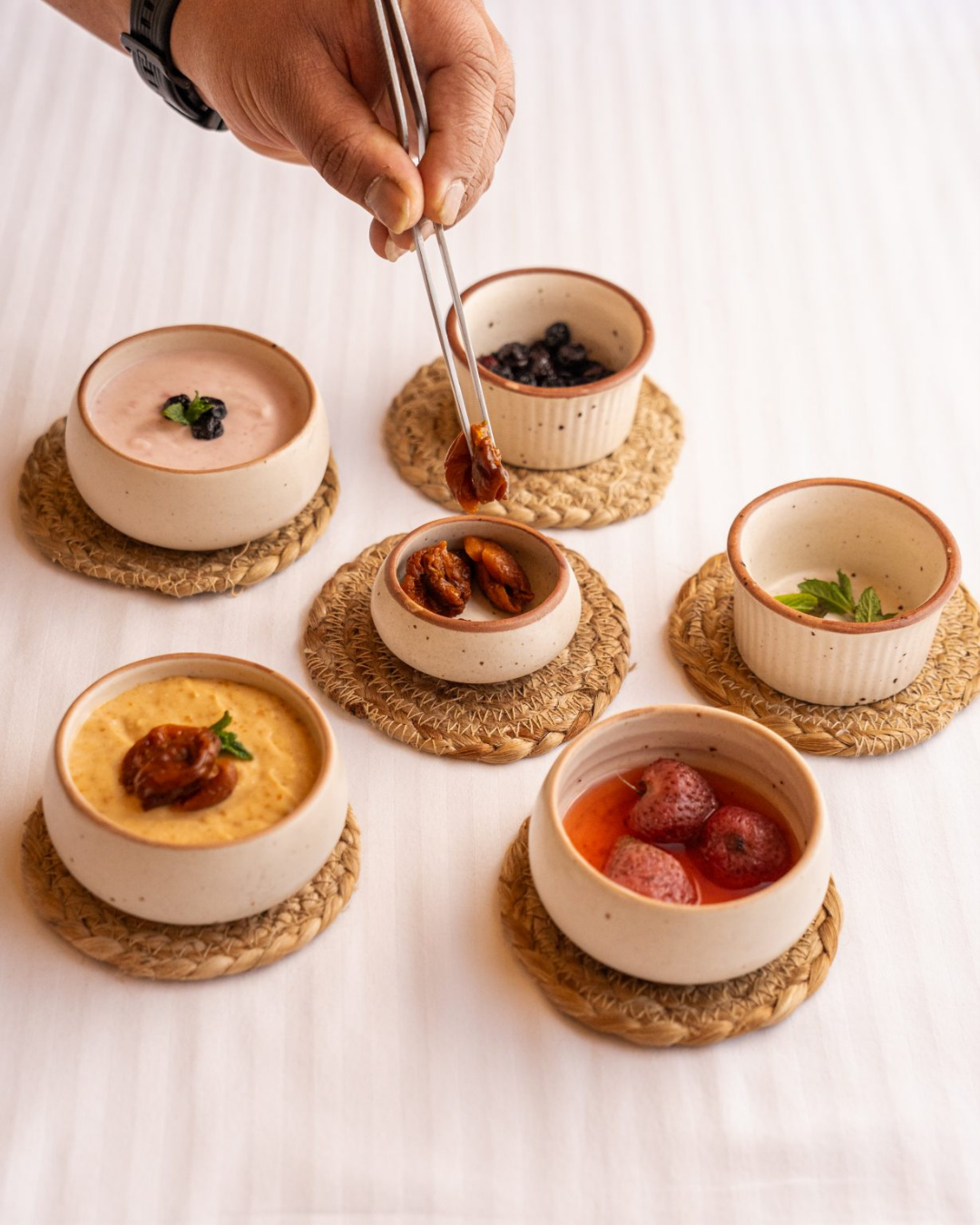
To demonstrate this, Dolkhar is also home to Tsas, a hyper-local, avant-garde plant-based restaurant that combines ingredients from Dolkhar's own kitchen garden and responsible local producers, emphasising ethics and sustainability. This culinary blend showcases a reimagined, modern interpretation of Ladakhi cuisine and local ingredients, rooted in a profound respect for the natural world and the changing seasons.
Tsas extends Dolkhar's philosophy to the plate — where heirloom grains, native herbs, and seasonal produce come together in dishes that honour Ladakh's culinary roots while embracing thoughtful innovation.
Grounded Luxury in the Himalayan Highlands
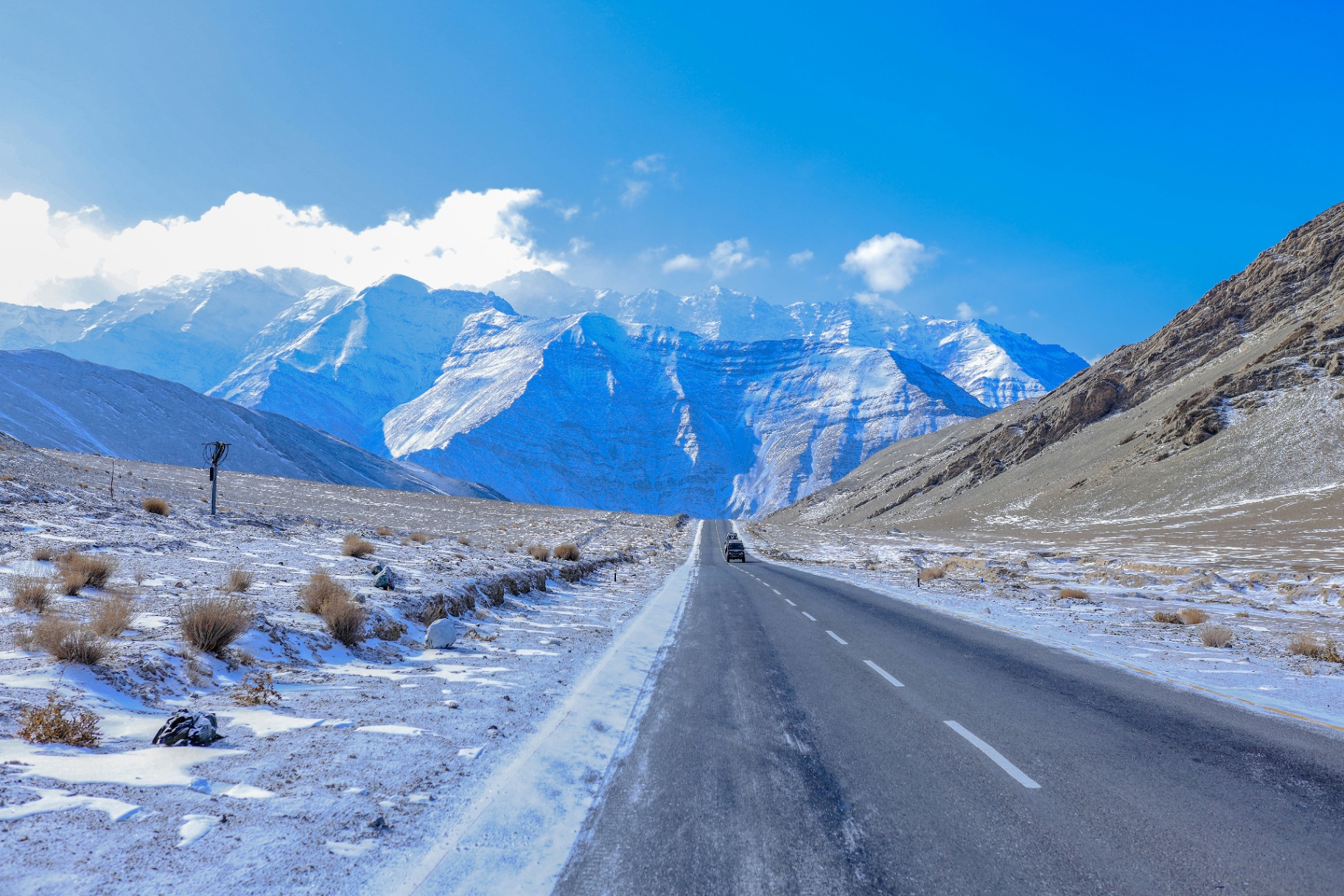
Off-season, dispersed, and quiet — Ladakh in winter reveals its most authentic self
As the seasons shift and Ladakh braces for another influx of summer tourism, Rigzin advocates for a broader rethinking. She believes in promoting off-season travel, dispersing tourism away from just a handful of destinations, and encouraging travelers to come not just when the brochures say it's best, but when the land is quiet and most revealing. Like the crafts Dolkhar celebrates, Ladakh in winter, in spring, in stillness, offers its most authentic self to those willing to see.
Regeneration in Ladakh is a practice carried by the hands of women — those who weave, build, serve, and lead, often all at once. And through Dolkhar, their work is no longer invisible.
In a region once proud of Italian tiles and imported fittings, this hotel continues to remind us that the most enduring forms of luxury are often the ones rooted closest to home.
Dolkhar Ladakh
A boutique retreat on the ancient Silk Route — seven rammed-earth villas built by local artisans, anchored by Kharnak-woven rugs and the plant-based kitchen of Tsas.
Where to stay
Suggested regenerative hotels
Continue the journey
Curated itineraries
Keep reading
More from the magazine
Asia
The Asia Issue: How Heritage and Regeneration Meet
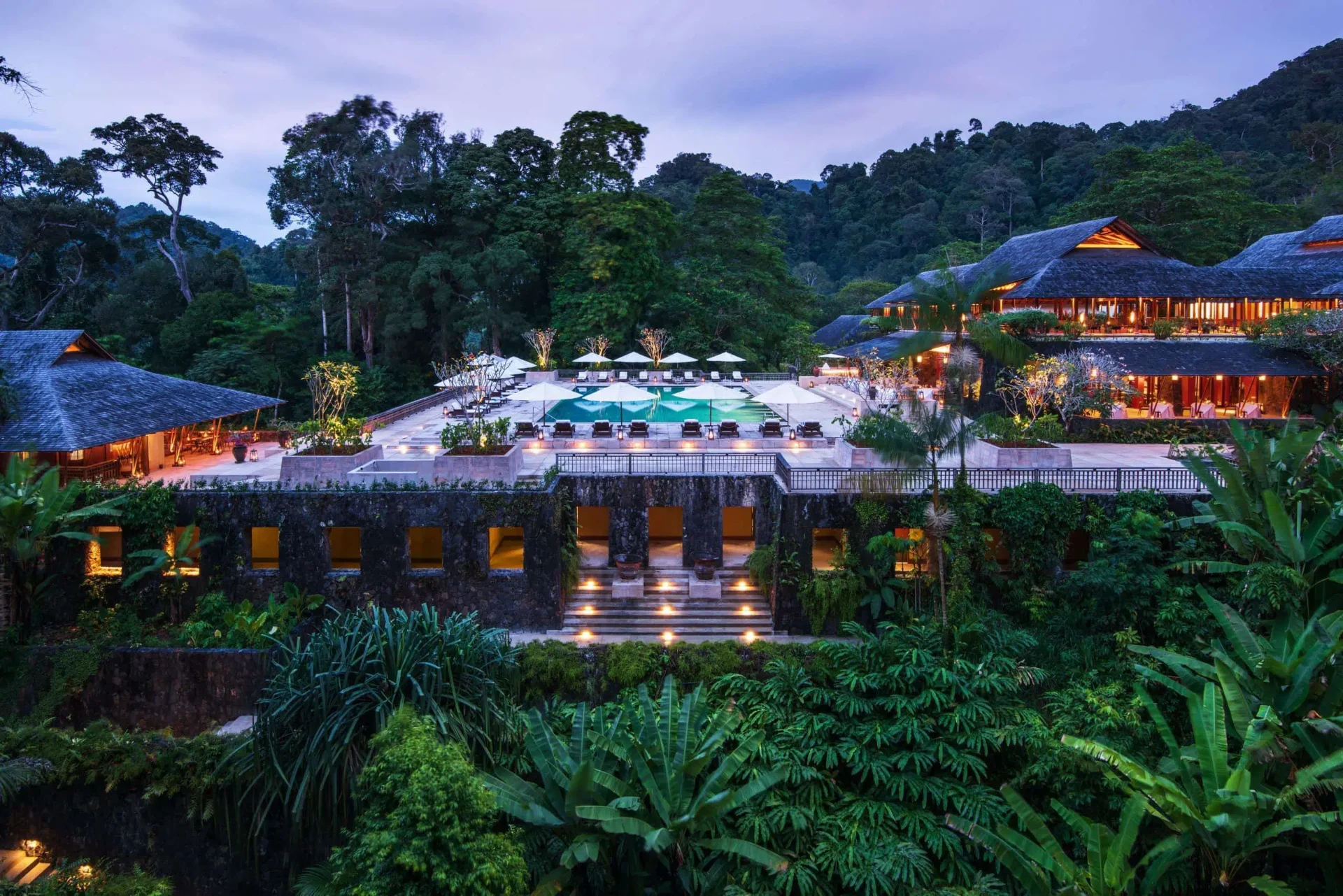
From the Himalayas to the Ganges to the rainforests of Langkawi — how member properties across Asia express regeneration as a centuries-old practice.
Mountains
Mountain Retreats in Reverence to the Earth and Climate
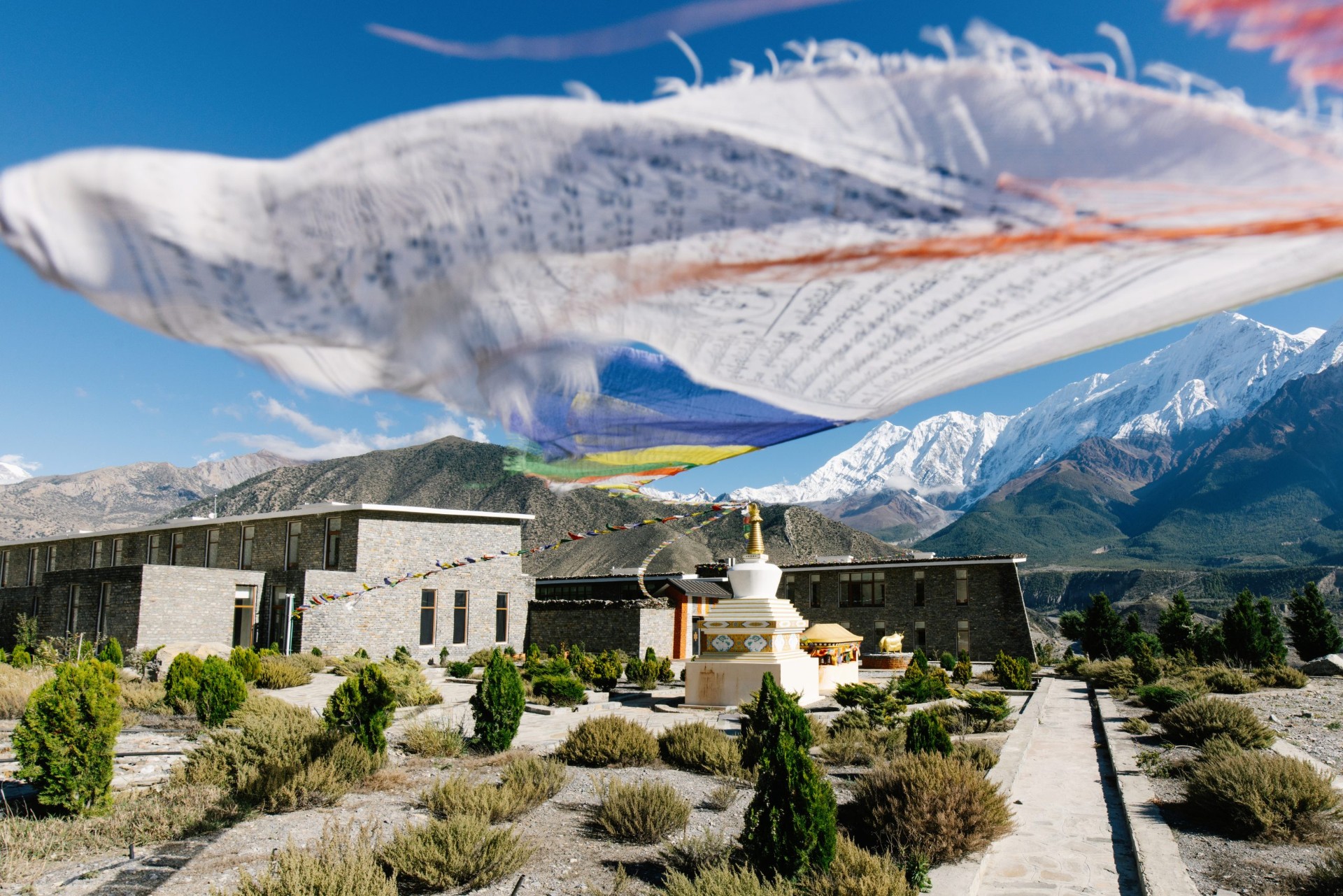
From Mustang to the Atlas to Nubra — how a new generation of mountain lodges is building lightly, listening first, and letting culture and ecology lead.