When we arrived at The Imperial in New Delhi for BRIDGES for Conscious Travel, the conversation was already unfolding around a central insight. The India that most Western travelers know, the palaces of Rajasthan and the forts that appear in every guidebook, is only the surface. Behind that familiar veneer lies a country of extraordinary regional depth, with landscapes, cultures, and hospitality experiences that remain largely undiscovered by international audiences.
This realization became the throughline of the symposium. Across conversations with hoteliers, DMCs, and sustainable tourism operators, a clear pattern emerged. The most compelling opportunities for regenerative travel lie not in the well-trodden routes, but in the margins between them.
And this work of bringing conscious travelers to these undiscovered regions has become urgent. Nepal's recent challenges have reminded us that tourism, when structured around regenerative principles, is essential economic infrastructure for communities across South Asia. The moment to activate alternative travel narratives in India, to distribute tourism pressure beyond the usual corridors, to build livelihoods in overlooked regions, is now.
The Geography of Discovery
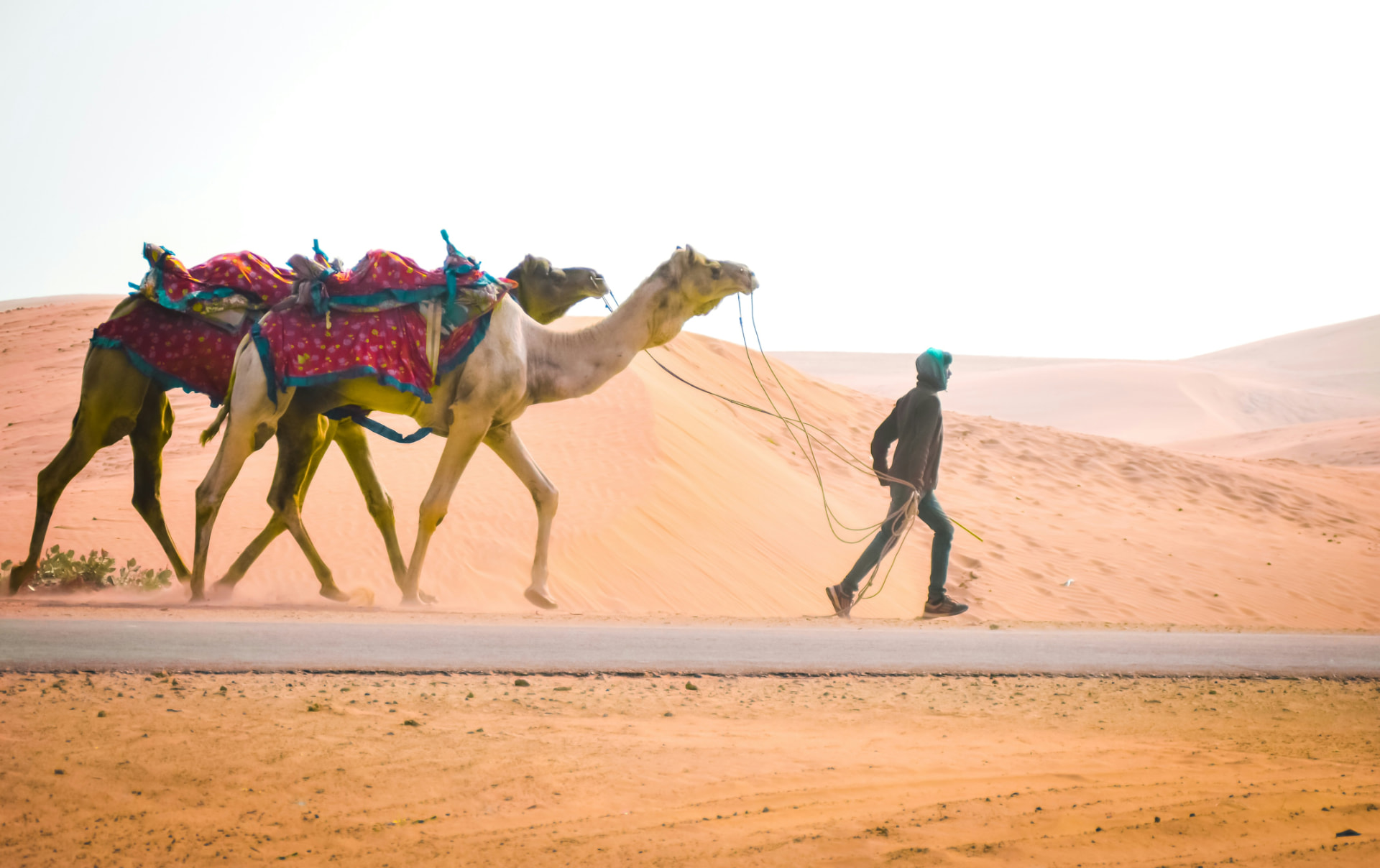
Rural Rajasthan as the Third Space
Rural Rajasthan occupies a peculiar position in the travel landscape. It sits geographically between the desert experiences of the far west and the palace tourism of Jaipur and Jodhpur, yet it rarely features in curated travel itineraries. What we heard at BRIDGES is that this is precisely its value.
Properties emerging in rural Rajasthan aren't building on palace nostalgia or colonial history. Instead, they're designing around daily life. The rhythms of agricultural communities, textile traditions that have persisted for generations, and landscapes that shift dramatically with the seasons. For guests seeking depth over spectacle, this middle ground offers something rare. The chance to observe and participate in life as it actually unfolds, without the performance that palace stays sometimes demand.
The hospitality operators working in rural Rajasthan described their challenge as one of translation rather than invention. They're learning to host travelers in ways that honor local patterns and economics, creating employment for communities while maintaining the integrity of daily practices. It's regenerative work by necessity, not marketing.
The Undiscovered States
Odisha: The Gap in India's Tourism Map
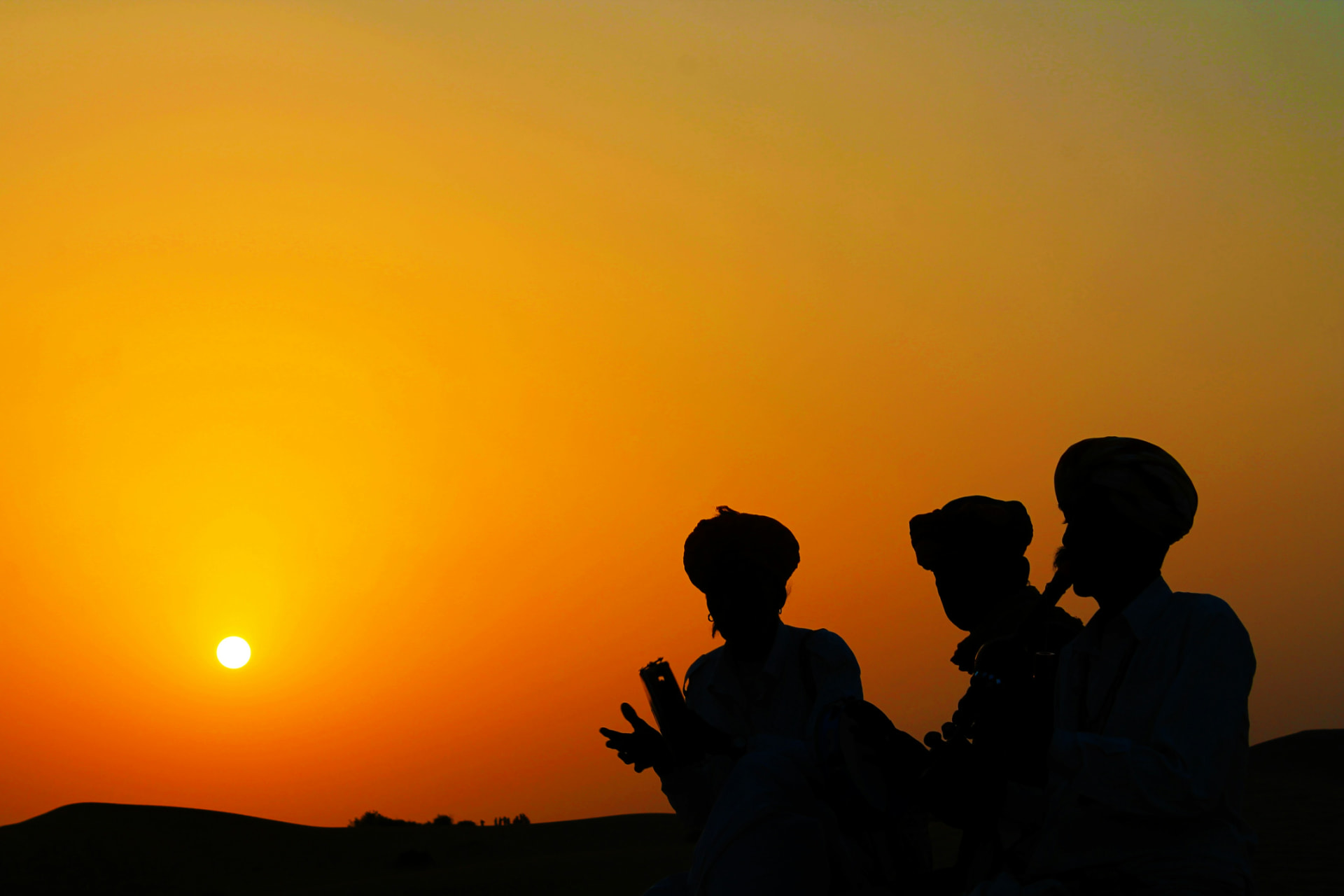
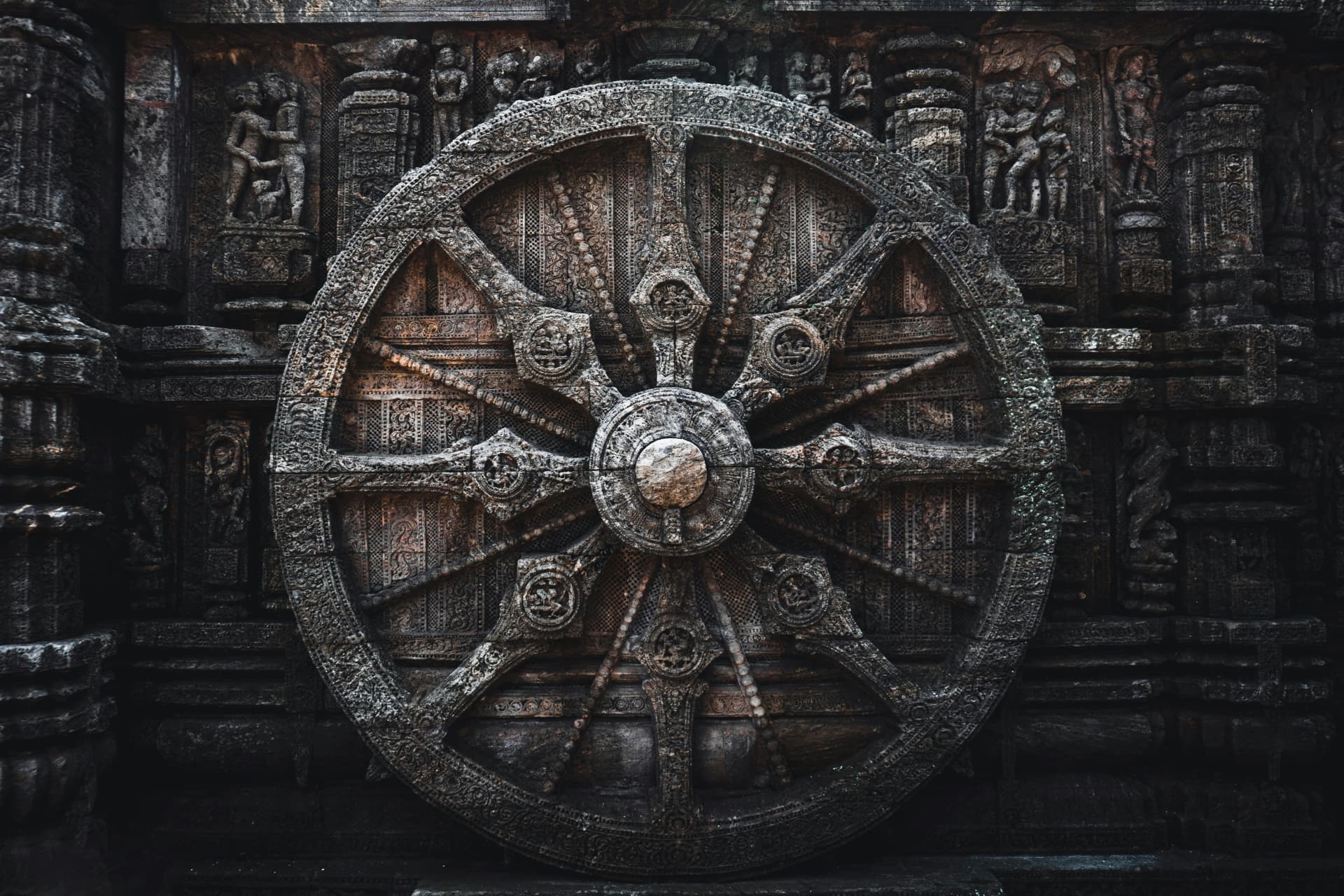
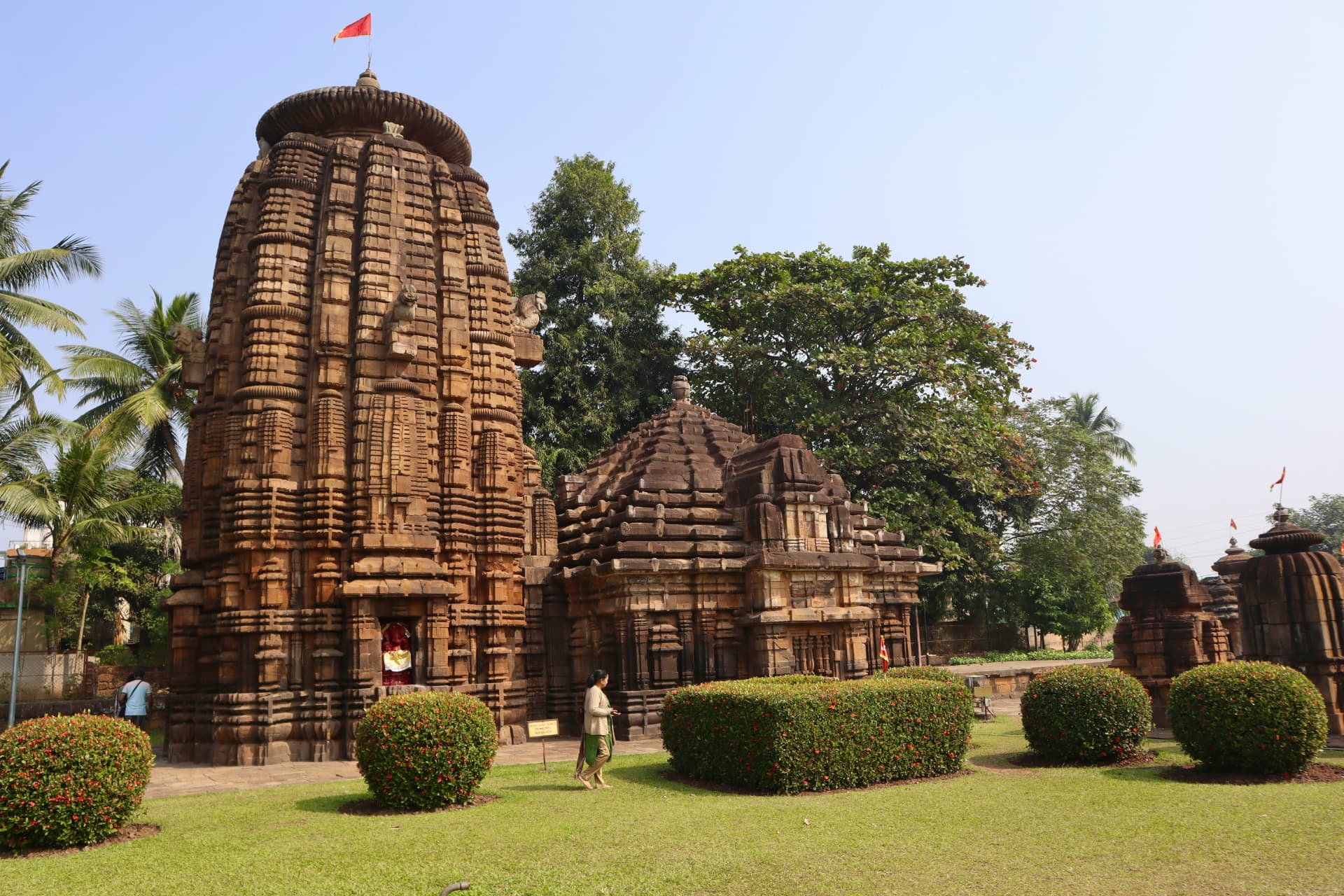
Odisha exists in a curious blindspot. The state is rich—archaeologically, culturally, ecologically—yet it rarely appears in conversations about India travel. The Jagannath Temple in Puri is internationally known, but the broader context of Odisha's textiles, tribal communities, coastal ecosystems, and architectural heritage remains obscure to most Western travelers.
At BRIDGES, operators working in Odisha described the advantage this obscurity confers. It allows for slower, more meaningful development of tourism infrastructure. Unlike states saturated with international visitor expectations, Odisha's hospitality sector is still writing its own rules. Emerging properties there have the opportunity to design from first principles. To ask what regenerative hospitality looks like in a specific place, rather than adapting international models.
Assam and the Northeast Waterways
The waterways near Assam represent an entirely different India. One defined by rivers, tea plantations, and Buddhist heritage sites that Western travelers typically associate with Southeast Asia, not India. The Brahmaputra region offers experiences centered on water-based ecosystems, colonial-era estates repurposed as retreats, and access to communities whose daily lives remain tied to the river systems that have shaped the region for centuries.
This geography appeals to a particular kind of traveler. Those seeking immersion in landscape and ecology rather than cultural monuments. The silence and scale of the region, vast river valleys and shifting seasons marked by monsoons, draws people seeking restoration and perspective.
Hidden Architectural Inheritances
Ellora and Ajanta: Monumental Depth Beyond the Guidebook
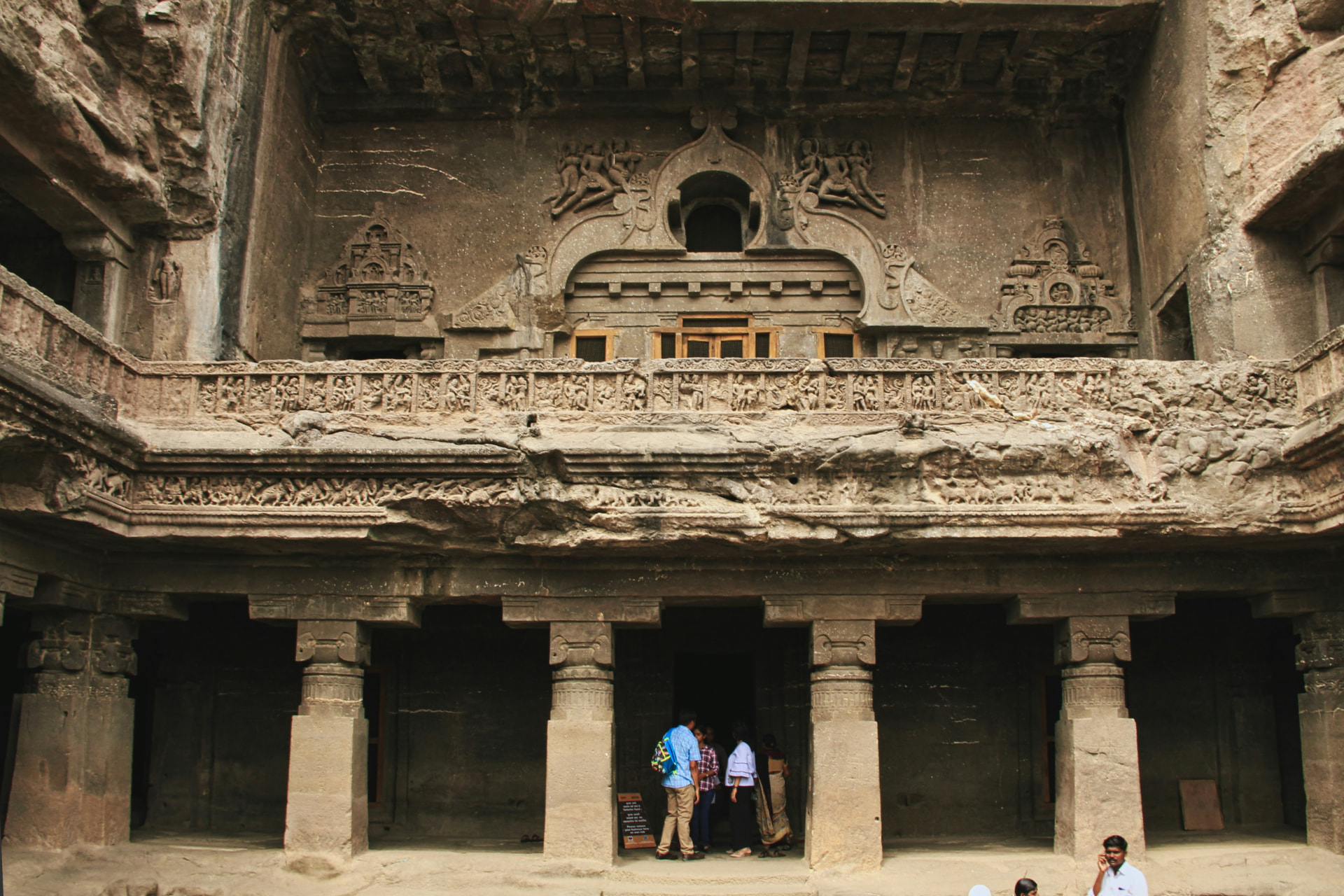
The caves of Ellora and Ajanta represent one of India's most extraordinary archaeological inheritances, yet they remain surprisingly peripheral in Western travel narratives. These sites span Buddhist, Hindu, and Jain traditions across centuries of carving and artistry. Unlike monuments designed for ceremonial visibility, the caves feel genuinely discovered when you arrive. They demand time, contemplation, and a willingness to move slowly through space.
What's emerging around these sites is a new generation of boutique hospitality. Small retreats in nearby towns designed to support multi-day stays rather than rushed day-trips. These properties are bringing employment, infrastructure investment, and cultural stewardship to regions that have held these treasures for centuries but received limited tourism benefit. Ellora and Ajanta represent the opportunity to redistribute both tourism pressure and tourism revenue toward sites of genuine historical weight.
Havelis in Shekhavati
The havelis of Shekhavati represent a layer of Indian architectural heritage that exists between the monumental and the domestic. These merchant houses from the 18th and 19th centuries showcase a distinct regional style. Intricate frescoes, carved facades, interior courtyards designed for specific climate and social functions. They differ markedly from palace architecture.
What makes havelis compelling for regenerative tourism is that they're embedded in living communities. Unlike palaces, which often sit isolated as heritage monuments, havelis are woven into the social and economic fabric of towns like Mandawa and Dundlod. Restoring and operating them as small hotels or residencies creates direct employment, supports local artisans, and gives travelers access to spaces that are still fundamentally connected to the places where they stand.
The Seasonal Frontier
Ladakh in Winter: Reframing Seasonality
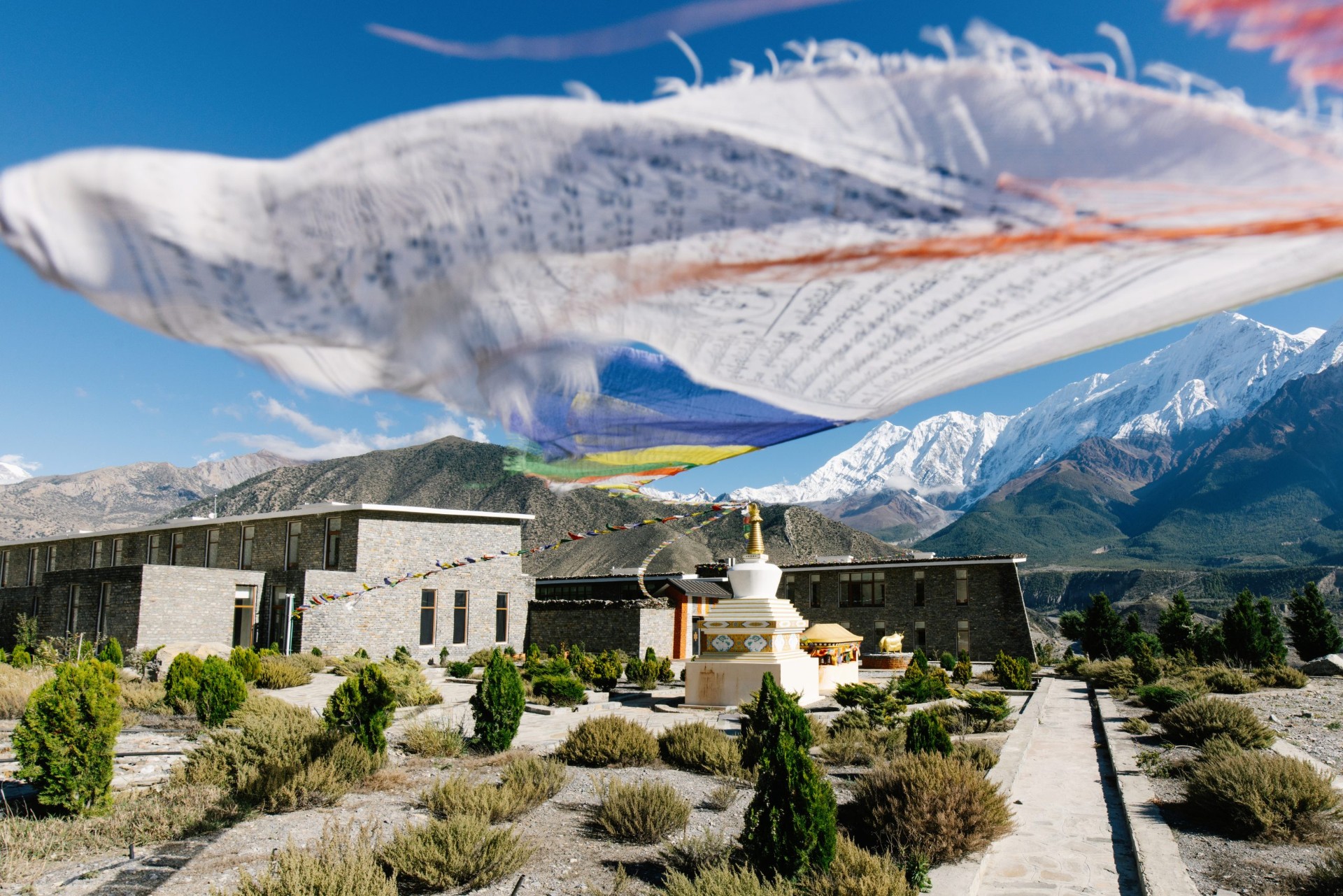
Ladakh occupies travelers' imaginations primarily during summer. The season of accessible roads, clear skies, and the full experience of Buddhist monasteries and high-altitude landscapes. Winter Ladakh is a different proposition entirely. Snow-locked, sparse, and defined by a kind of severity that appeals to a specific traveler.
The presence of snow leopards in winter is part of this draw, but it's a symptom of a larger pattern. Winter in Ladakh requires travelers to slow down radically. Roads close. Services thin. The region becomes about endurance, beauty in austerity, and the texture of life as locals actually live it during the months when external tourism disappears.
For operators, winter tourism in Ladakh isn't about replicating summer experiences with added snow. It's about designing entirely different offerings. Residencies focused on writing, photography, and stillness, partnerships with local conservation efforts, and the economics of hosting small groups in an off-season when the region's resources can accommodate visitors without strain.
What This Means for Regenerative Travel
The common thread across Rural Rajasthan, Odisha, Assam's waterways, Shekhavati's havelis, and winter Ladakh is this. They all sit outside the consolidated tourism infrastructure that has grown up around India's most famous destinations.
This positioning is not a weakness. For operators committed to regenerative principles, it's an advantage. It means designing tourism around the specific ecological, social, and economic realities of a place, rather than adapting a place to tourism's standard models.
It also means that travelers seeking something genuine find it more readily. There's less performance, less extraction. The relationship between visitor and place feels more reciprocal.
At BRIDGES, we were reminded that India's depth isn't hidden. It's simply outside the geography that most travel narratives have consecrated. The work now is to tell those other geographies into existence. To help the next wave of conscious travelers understand that the India worth discovering lies in the spaces between the famous places.
A Moment for Action
The timing of this work matters. As Nepal rebuilds its tourism infrastructure, the conversation across South Asia has shifted. Communities that depend on travel economics are asking how to reclaim tourism as a force for genuine regeneration rather than extraction.
India's undiscovered regions offer that possibility. They're asking to be known by travelers who arrive with intention, by hospitality operators who design around place rather than profit, and by travel platforms that tell different stories about what India contains.
Explore our Asia travel guide and the story of locally rooted hospitality at Dolkhar in Ladakh.